
Posted on Leave a comment

What Susime the Wealth-Giver Teaches About Honest Trade

Susime Garo Wealth Honest Trade Story — A Garo A'Chik folktale about Susime the wealth-giver — and what the Garo understand about honest exchange, fair trade, and the difference between abundance and greed.

Achik Tale Susime Wealth: What You Need to Know

Susime Garo Wealth Honest Trade Story: What You Need to Know

Achik Tale Susime Wealth — What the Garo story of Susime teaches about the right relationship between wealth, honesty, and giving — and why the approach matters more than the outcome.

For further research, see the Garo people of Meghalaya.

From A’Chik Golporang (Garo Folklore) Part III, Story 8 (Susime) and Story 5 (Miko Man’a), collected by Dhoronsing K. Sangma. Susime is the wealth-giving spirit in Garo cosmology.

In the Garo hills, there was a spirit called Susime — Misi Biari Katchi Susime — who governed abundance. When a family’s cattle were healthy, when the harvest was good, when the cotton crop was thick and white in the jhum clearing, it was Susime’s doing.

But Susime was specific about who received this abundance.

The story in Part III of A’Chik Golporang describes the approach to Susime. Those who came with elaborate requests, with calculations about what they deserved, with demonstrations of how hard they had worked and therefore how much they were owed — these people Susime considered carefully, and then sent away with exactly what they had calculated they deserved. Which was less than they thought.

Those who came simply — who said, here is what I have, here is what I have done, here is what I need — these Susime regarded differently. The ones who did not perform their need. Who stated it plainly. Who were prepared to receive honestly or not at all.

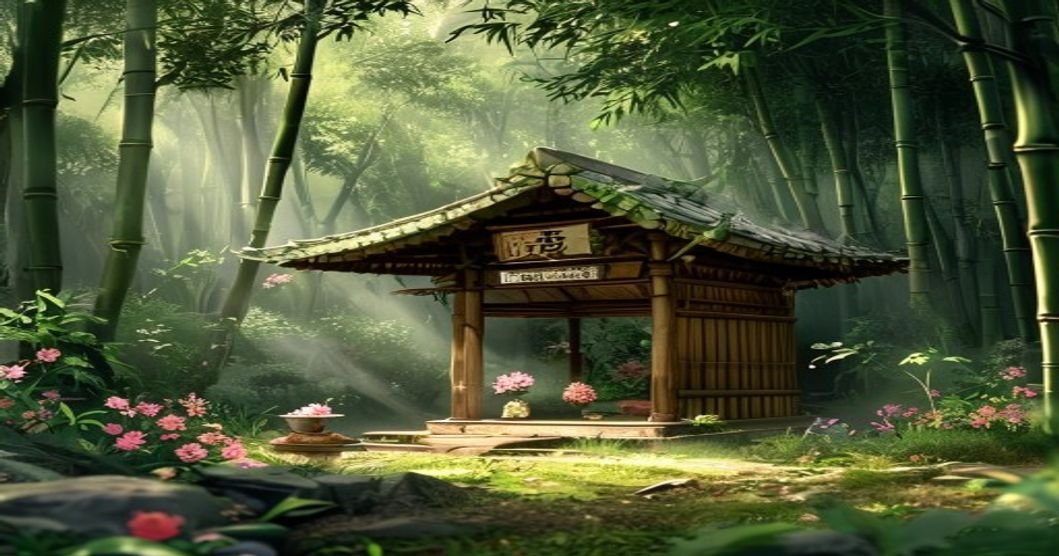
The bamboo shrine to Susime in a Garo village was not elaborate. A few branches stuck in the ground. An honest offering. The prayer was simple: You bless others, so bless me. Not: I deserve more than the others. Not: look how much I have sacrificed. Just: you give to those who tend the forest, and I tend the forest, and here I am.

The Garo farmers who walked five days to the frontier markets to sell their cotton carried something of Susime’s logic with them. They came with what they had grown. They named the price it was worth. They did not stay beyond the second night for a negotiation. They had either been met honestly or they had not — and if not, they walked back into the hills with the cotton, which was still worth what it was worth.


The supply chain that dominates most agricultural trade is the opposite of Susime’s logic. It is built for the people who can perform the most — who can wait longest, transport farthest, package most convincingly. The farmer, who does the most fundamental work, performs the least and receives accordingly.

A garden selling its tea directly — without the auction, without the broker, without the brand that packages someone else’s leaves under its name — is Susime’s approach. Come with what you have. State the price it is worth. Do not stay beyond the second night for a negotiation. Be met honestly or return to the hills.

Every packet of Tea Story tea is a Susime transaction. No inflation, no performance, no elaborate calculation of what we are owed. The garden is in the West Garo Hills. The leaves are from this season. The price is the honest price for what this is. Susime, the storytellers say, recognises this approach.

The hills where this story lives are the same hills where our tea grows. Explore teas from West Garo Hills →
Posted on Leave a comment

Muni and the First Cup: A Garo Creation Story About Fire, Water, and Warmth

Achik Tale Muni First Cup — The Garo creation story of Muni — fire, water, and warmth — and its connection to the cup of tea that comes from the same West Garo Hills today.

Achik Tale Muni First Cup: What You Need to Know

For further research, see the Garo people of Meghalaya.

From A’Chik Golporang (Garo Folklore) Part III, Story 1 (Muniko Manchengani — The Story of Muni), collected by Dhoronsing K. Sangma.

The first story in the third and final book of A’Chik Golporang is the creation story — Muniko Manchengani, the story of Muni, the primordial creator in Garo cosmology.

In the story, Muni establishes the first great things: the first rules of the forest, the first understanding between the living world and the spirit world, the first agreements that make the hills habitable. Niba Jonja, who is to Garo cosmology what Arjuna is to the Mahabharata — the figure who carries the living world’s case before the great powers — undertakes the first journey to Salgra to receive Muni’s guidance.

The journey requires fire. Not fire as destruction — fire as the thing that makes the cold habitable, that turns raw into nourishing, that marks the boundary between the sheltered and the unsheltered. Before Muni’s establishment of the fire rules, the Garo hills were habitable in body but not in spirit. After: the changy had a hearth in the middle of the floor. The nokpante had a fire around which the young men gathered. The jhum clearing had fires lit at the right moment in March that returned the cut bamboo to ash and the ash to soil.

Fire was the technology that made the Garo hills home.

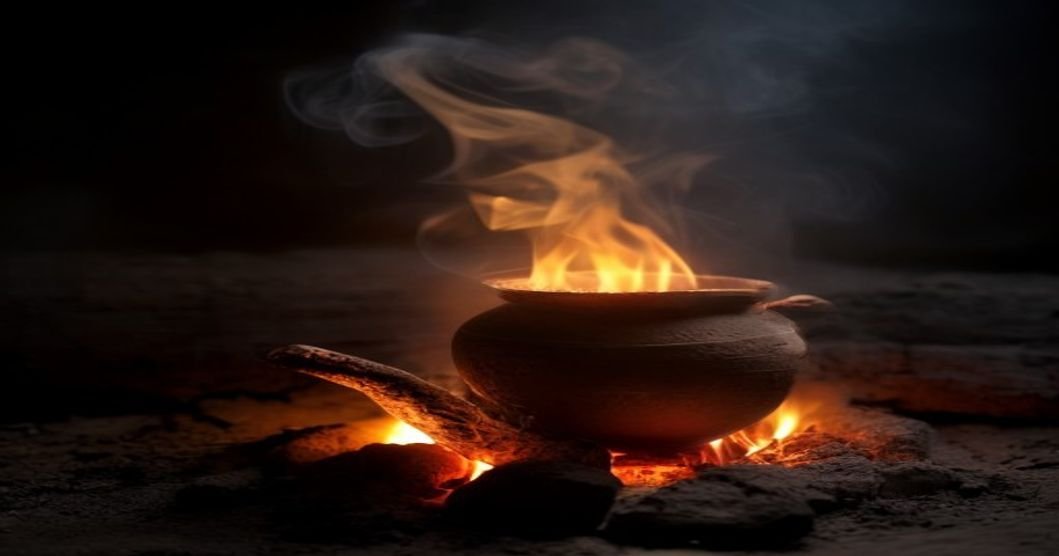
But fire alone was not the gift. The gift was the combination — fire and water together. The cooking pot over the flame. The steam that rose from the water as it heated. The specific chemistry that happens when the two meet at the right temperature and in the right vessel.


Tea is Muni’s logic in a cup. Fire and water, combined in the right proportion, at the right temperature, for the right amount of time, produce something that neither can produce alone.

The Garo changy had its fire in the middle of the floor, and the first thing that happened around it each morning was the heating of water. Not for cooking yet — cooking came later. The first use was warmth in a liquid form. Something that moved from the pot to the body, from the cold morning to the working day.

Muni’s first gift to the Garo hills was the means to make things habitable. The means to turn cold into warmth. The means to take what the forest provides and transform it, through fire, into something the body can receive.

This is still happening, every morning, in every kitchen, everywhere. The fire goes under the kettle. The water heats. The leaves — from the West Garo Hills, where the Muni story lives — release into the water what the season put into them.

The cup in your hand is a very old creation. Older than the hills, said Muni. Older than the fire, said the water. They have been working on it together since before your name.

The hills where this story lives are the same hills where our tea grows. Explore teas from West Garo Hills →
Posted on Leave a comment

The Nokpante Principle: What the Garo Bachelors’ Hall Knew About Loneliness

Garo Nokpante Community Loneliness Epidemic — The nokpante — the Garo bachelors' hall — as an antidote to loneliness. What Garo community design knew about human connection that the loneliness epidemic is only now learning.

Garo Nokpante Community Loneliness Epidemic: What You Need to Know

Garo Nokpante Community Loneliness — The Garo nokpante — the bachelors' hall — was a community institution for shared ritual and belonging. What it teaches about the modern loneliness epidemic.

For further research, see the Garo people of Meghalaya.

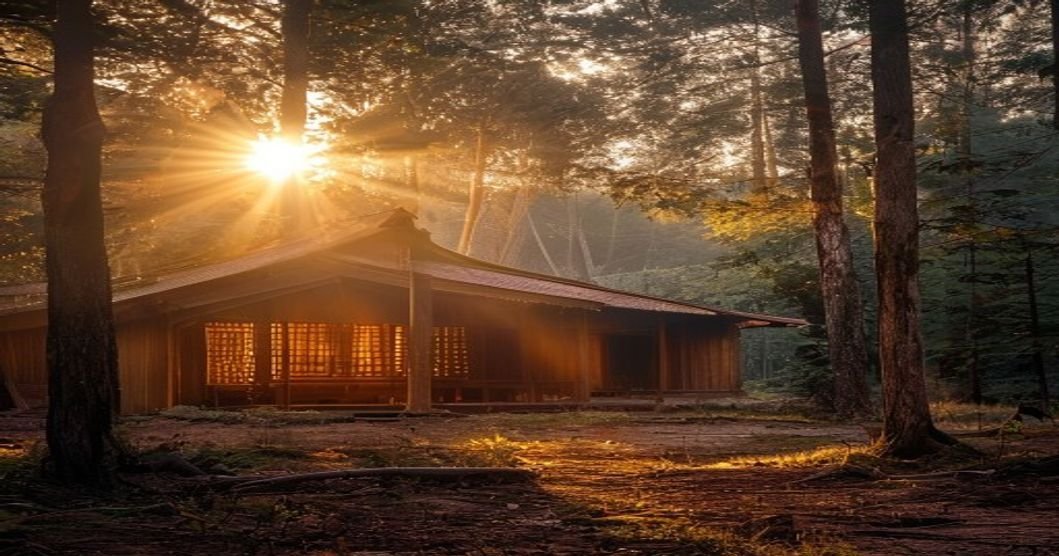
At the centre of every Garo village stood the nokpante — a large communal hall, its posts and beams fantastically carved, set in an open clearing. Here the nokma (village headman) held court. Bulls were brought to be baited before festivals. And the village’s young men slept, every night, together.

Not out of necessity. Not for warmth. The nokpante was architecture with a social purpose: a designed space for the unmarried men of the village to be in proximity, to talk until late, to learn the village’s knowledge from those slightly older, to be witnessed and to witness others. It was a communal bedroom that was also a school, a council chamber, and a gathering place.

The Garo did not have a word for the loneliness epidemic, because they had the nokpante.

Modern cities are full of people living in individual units with individual screens and individual deliveries arriving at individual doors. We have never been more connected by infrastructure and more isolated by design. The average urban professional can go three days without speaking to another person face-to-face, and the architecture of their building is organised specifically so that this is easy.

The nokpante principle is not nostalgia. It is the recognition that belonging requires a physical space where you show up regularly and are expected. Not an app. Not a group chat. A room. Chairs. People you will see again tomorrow.

The Garo villages knew something that urban planners are only now beginning to rediscover: community does not self-assemble. It requires a building in the middle of the village, with the lights on, where someone will be.

Tea works a little like this. A kettle is an invitation. The sound of it boiling in a shared kitchen is a signal: someone is making something, you might be offered some, you could talk for a few minutes. The nokpante began with smaller gestures than we think.

Posted on Leave a comment

Chikmang: The Garo Mountain You Don’t Come Back From, and Why Knowing That Matters

Garo Chikmang Mortality Slow Living — Chikmang is the Garo mountain you do not come back from. What this Garo myth about mortality teaches about slow living, presence, and the cup of tea you drink while you can.

Garo Chikmang Mortality Slow Living: What You Need to Know

Garo Chikmang Mortality — The Garo story of Chikmang — the mountain from which no one returns — and what this says about mortality, meaning, and why slow living matters.

For further research, see the Garo people of Meghalaya.

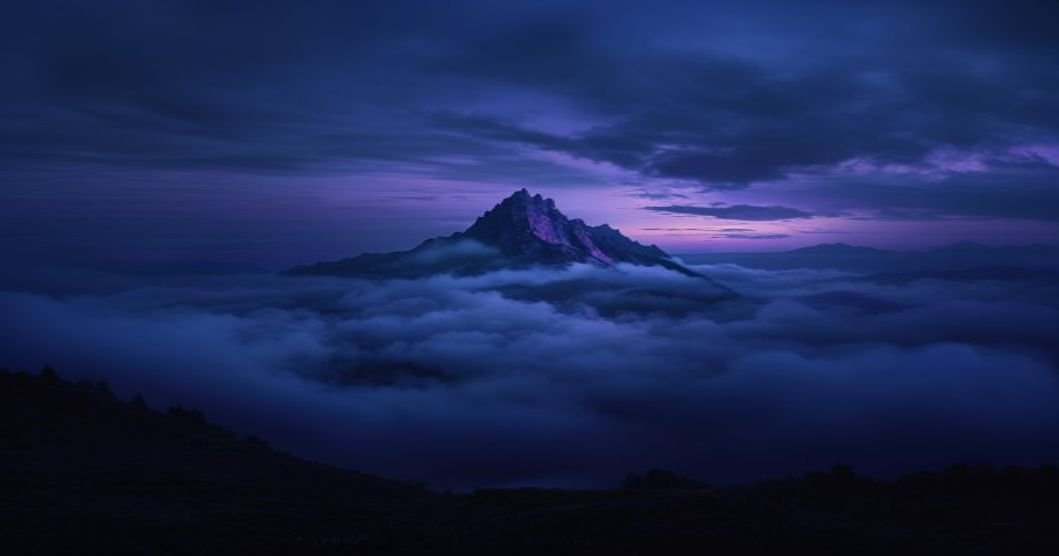
The Garo people of Meghalaya placed their afterlife in geography. The mountain called Chikmang, on the south side of the Garo Hills, was the bourne from which no traveller returns. When a Garo died, a dog was sacrificed to serve as their guide on the long journey to Chikmang. It was not a metaphor. It was a destination, mapped into the same hills where they lived and farmed and had their feuds and their festivals.

Living in the shadow of a visible mountain that represents your own ending changes things. It is harder to be vague about time when Chikmang is on the horizon. Harder to defer the important thing until conditions improve when the mountain is already there, already waiting, already at the edge of the visible world.

Modern life has pushed death well out of the landscape. It happens in hospitals, behind closed doors, in other people’s lives that we encounter on news feeds and then scroll past. We have made it invisible partly out of kindness and partly because the economy runs better when people do not think too carefully about the fact that the meeting on Thursday morning does not matter very much in the long run.

The Garo did not worship Chikmang or build temples to it. They simply knew it was there. They told their children: that mountain, over there. That is where we go. This was the equivalent of good information, calmly delivered.

The Garo concept of the supreme Spirit — the one benevolent force in their cosmology — was distinguished from all the small demons of field and stream by one quality: there was no need to propitiate it. It was already on your side. The demons required constant sacrifice. The great Spirit required nothing. It was just — there. Like the mountain, but hospitable.

Living with awareness of Chikmang and the benevolent Spirit in the same consciousness produces a particular quality: you do the work that matters, you rest when you need to, you don’t spend much time on the things that are neither good work nor genuine rest. The Garos were not sages. But they had fewer decisions to defer than we do, and the mountain to remind them why.