
Garo Chikmang Mortality Slow Living — Chikmang is the Garo mountain you do not come back from. What this Garo myth about mortality teaches about slow living, presence, and the cup of tea you drink while you can.
Garo Chikmang Mortality Slow Living: What You Need to Know
Garo Chikmang Mortality — The Garo story of Chikmang — the mountain from which no one returns — and what this says about mortality, meaning, and why slow living matters.
For further research, see the Garo people of Meghalaya.
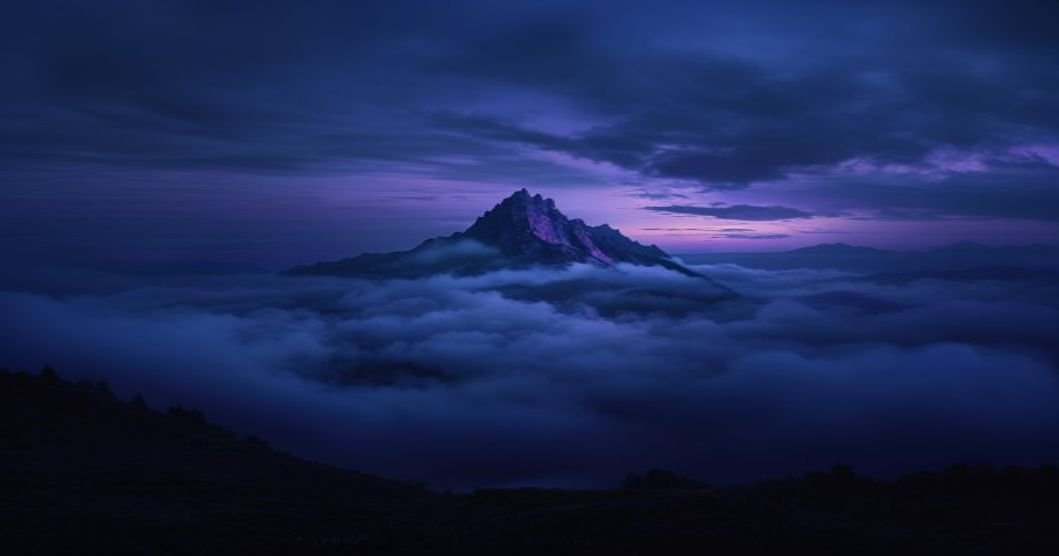
The Garo people of Meghalaya placed their afterlife in geography. The mountain called Chikmang, on the south side of the Garo Hills, was the bourne from which no traveller returns. When a Garo died, a dog was sacrificed to serve as their guide on the long journey to Chikmang. It was not a metaphor. It was a destination, mapped into the same hills where they lived and farmed and had their feuds and their festivals.
Living in the shadow of a visible mountain that represents your own ending changes things. It is harder to be vague about time when Chikmang is on the horizon. Harder to defer the important thing until conditions improve when the mountain is already there, already waiting, already at the edge of the visible world.
Modern life has pushed death well out of the landscape. It happens in hospitals, behind closed doors, in other people’s lives that we encounter on news feeds and then scroll past. We have made it invisible partly out of kindness and partly because the economy runs better when people do not think too carefully about the fact that the meeting on Thursday morning does not matter very much in the long run.
The Garo did not worship Chikmang or build temples to it. They simply knew it was there. They told their children: that mountain, over there. That is where we go. This was the equivalent of good information, calmly delivered.
The Garo concept of the supreme Spirit — the one benevolent force in their cosmology — was distinguished from all the small demons of field and stream by one quality: there was no need to propitiate it. It was already on your side. The demons required constant sacrifice. The great Spirit required nothing. It was just — there. Like the mountain, but hospitable.
Living with awareness of Chikmang and the benevolent Spirit in the same consciousness produces a particular quality: you do the work that matters, you rest when you need to, you don’t spend much time on the things that are neither good work nor genuine rest. The Garos were not sages. But they had fewer decisions to defer than we do, and the mountain to remind them why.