Garo Nokpante Community Loneliness — The Garo nokpante — the bachelors' hall — was a community institution for shared ritual and belonging. What it teaches about the modern loneliness epidemic.
For further research, see the Garo people of Meghalaya.
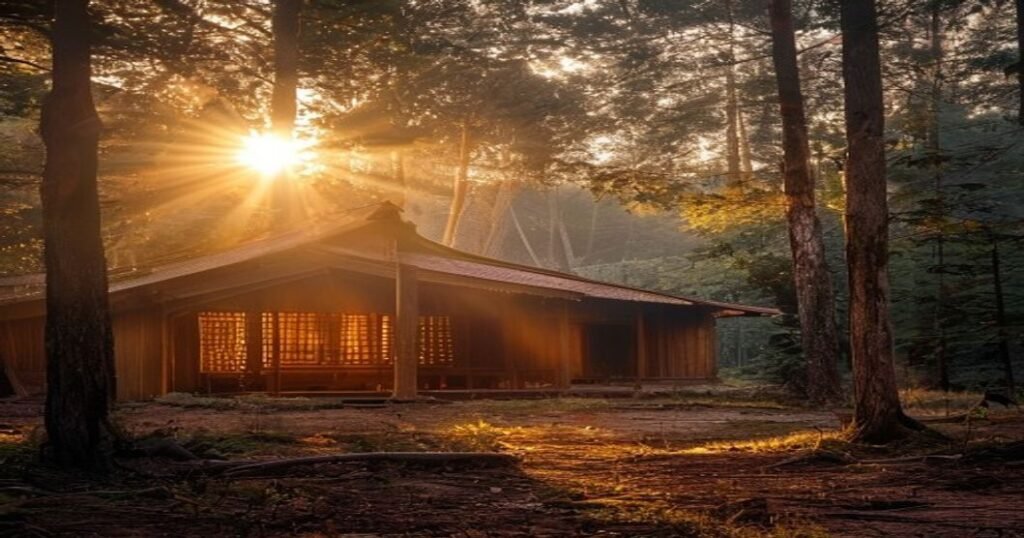
At the centre of every Garo village stood the nokpante — a large communal hall, its posts and beams fantastically carved, set in an open clearing. Here the nokma (village headman) held court. Bulls were brought to be baited before festivals. And the village’s young men slept, every night, together.
Not out of necessity. Not for warmth. The nokpante was architecture with a social purpose: a designed space for the unmarried men of the village to be in proximity, to talk until late, to learn the village’s knowledge from those slightly older, to be witnessed and to witness others. It was a communal bedroom that was also a school, a council chamber, and a gathering place.
The Garo did not have a word for the loneliness epidemic, because they had the nokpante.
Modern cities are full of people living in individual units with individual screens and individual deliveries arriving at individual doors. We have never been more connected by infrastructure and more isolated by design. The average urban professional can go three days without speaking to another person face-to-face, and the architecture of their building is organised specifically so that this is easy.
The nokpante principle is not nostalgia. It is the recognition that belonging requires a physical space where you show up regularly and are expected. Not an app. Not a group chat. A room. Chairs. People you will see again tomorrow.
The Garo villages knew something that urban planners are only now beginning to rediscover: community does not self-assemble. It requires a building in the middle of the village, with the lights on, where someone will be.
Tea works a little like this. A kettle is an invitation. The sound of it boiling in a shared kitchen is a signal: someone is making something, you might be offered some, you could talk for a few minutes. The nokpante began with smaller gestures than we think.
Tea Story tea is grown in the West Garo Hills — one of the world's rainiest, most biodiverse regions. Single-garden. No middlemen. Re-brews three times. Explore our teas →