Dokru Garo Fool Story Perfect Plan — A Garo A'Chik folktale about Do'kru the fool and the plan that kept failing. What Garo storytelling teaches about over-thinking and the same mistake repeated.
Achik Tale Dokru Perfect Plan: What You Need to Know
Dokru Garo Fool Story Perfect Plan: What You Need to Know
Achik Tale Dokru Perfect Plan — Do'kru makes the perfect plan — and still fails. This Garo A'Chik folktale is a sharp lesson in the trap of endless preparation over action.
For further research, see the Garo people of Meghalaya.
From A’Chik Golporang (Garo Folklore) Part II, Stories 19-24 (Do’kru I through Do’kru VI), collected by Dhoronsing K. Sangma.
In the Garo storytelling tradition, Do’kru is a special figure. He is not stupid. He is, in fact, quite clever in his own estimation. He plans carefully. He reasons things through. He has a good explanation for why his approach will definitely work this time.
And then he makes the same mistake again.
Across six consecutive stories in A’Chik Golporang Part II — Do’kru I through Do’kru VI — the same character wanders through the Garo hills encountering different situations, applying his particular logic to each one, and arriving at outcomes that are somehow always both surprising and inevitable.
In Do’kru I, he sets a fire to stay warm and burns down the shelter he needed to sleep in. In Do’kru II, he tries to trick a spirit and the trick works, but on the wrong spirit. In Do’kru III, he falls asleep at the exact moment the thing he was waiting for arrives, and wakes up to evidence of everything he missed. In Do’kru IV, he prepares for the problem so thoroughly that he creates it. In Do’kru V, he gives such excellent advice to someone else that he forgets to follow it himself. In Do’kru VI, he tries to do two things at once and completes both of them wrong in ways that were individually avoidable.
The pattern the A’chik storytellers are drawing is not simply “this character is a fool.” The pattern is: there is a particular kind of intelligence that always interferes with itself. Do’kru isn’t incapable. He’s over-capable. He thinks so clearly and completely about what he is going to do that he never quite arrives at the actual doing.
After Do’kru VI, the storytellers give him a companion — Awil Singwil, the orphan girl who becomes his partner through the later stories. Awil does not over-think. She sees what is in front of her and acts. Together, they are complete.
The modern professional is Do’kru. This is not an insult — it is the description of a particular intelligence operating in its characteristic mode.
The strategy deck that is perfectly prepared for a conversation that never happens. The morning routine optimised through six iterations without ever being fully followed. The product that was researched so thoroughly that the market moved while the research was being completed.
Do’kru’s problem is not that he doesn’t know enough. It’s that the knowing has become the activity.
Brewing tea is the opposite of Do’kru. There is almost nothing to plan. Heat water. Measure leaves. Wait three minutes. The simplicity is the point. The hands do the thing. The mind can rest.
Awil Singwil — the one who just acts — is the cup of tea. Have it first. Then Do’kru can begin his planning for the day.
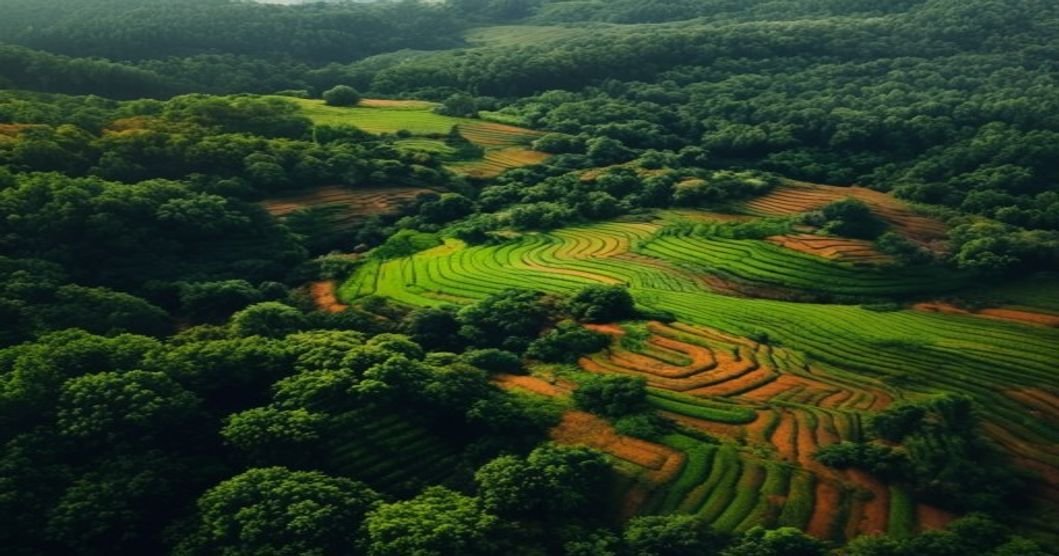
The hills where this story lives are the same hills where our tea grows. Explore teas from West Garo Hills →