For further reading, see Shifting cultivation (Wikipedia).
For further research, see jhum shifting cultivation.
The Garo method of jhum cultivation is often described by outsiders as slash-and-burn farming, which makes it sound violent and careless. In practice it was one of the most ecologically sophisticated agricultural systems in the hills.
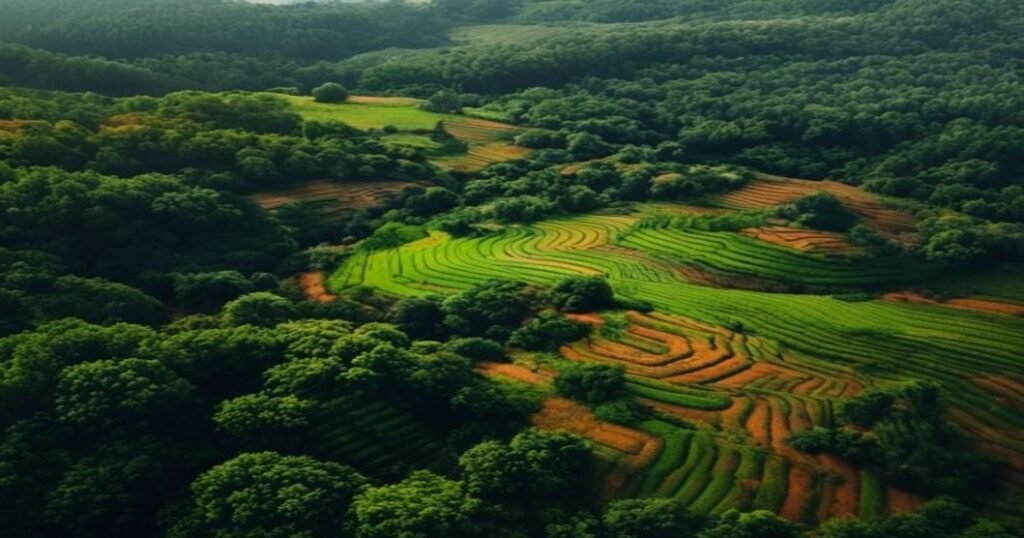
Here is how it worked: a section of hillside would be cleared in December, the bamboo and brushwood cut and left to dry. In March, it was burned. The ash enriched the soil. Rice, corn, pepper, pumpkins, and cotton were sown. The crops grew together in the cleared land through the year. Then — and this is the critical part — the plot was abandoned. Left alone. Given back to the jungle. It would not be touched again for seven to fifteen years, by which time the forest had reclaimed it completely, the topsoil had rebuilt itself, and the land was ready again.
The Garos did not own land in the European sense. They held it in rotation. The village’s territory was mapped in time, not just space — different sections resting at different points in the cycle.
Now compare this to the quarterly target. Extract maximum value from the current resource. Measure output in the shortest window that satisfies the reporting system. Move to the next section without waiting for recovery. Repeat until the land stops yielding, at which point ask why productivity has declined.
The jhum cycle was not backward. It was patient. It built in recovery as a structural requirement, not an afterthought. The Garo farmer did not rest the land because they were being kind to the forest. They rested it because they understood that extraction without recovery destroys the extractable thing.
Humans are also land. We are also extractable. The body that runs on four hours of sleep and maximum output until the quarter closes is being jhumed wrong — burned, planted, burned, planted, with no fallow years. The jungle does not come back on this schedule. Neither does the person.
The West Garo Hills, where our tea grows, still carry some of this logic in their soil — cultivated carefully, left to breathe, harvested in season rather than continuously. Tea from rested, biodiverse land tastes different from tea from exhausted monoculture. So do people.
The hills where this story lives are the same hills where our tea grows. Explore teas from West Garo Hills →
Tea Story tea is grown in the West Garo Hills — one of the world's rainiest, most biodiverse regions. Single-garden. No middlemen. Re-brews three times. Explore our teas →