Garo Oath Integrity Words — In Garo tradition, an oath carried consequence. What the Garo oath system teaches about integrity, commitment, and why words have lost their weight.
For further research, see the Garo people of Meghalaya.
A British official in the late 18th century described witnessing a Garo oath-taking with an honesty that is remarkable for its time. “The awe and reverence with which the man swore,” he wrote, “forcibly struck me. My assistant could hardly write, so much was he affected.”
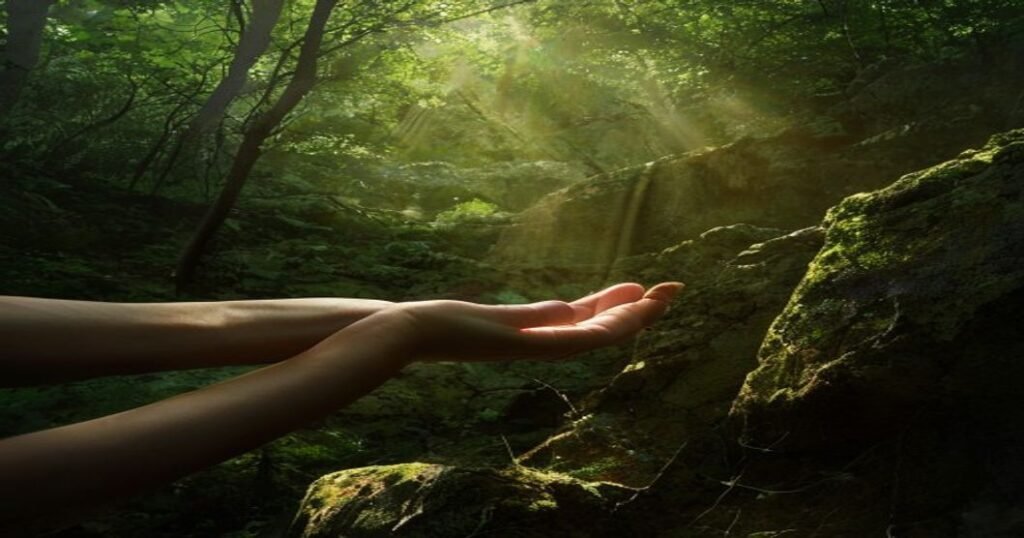
The Garo ceremony of oath-taking was this: the person raised their hands to heaven, bowed their head to a stone, and looked steadfastly toward the hills while giving their evidence. Some placed a tiger’s bone between their teeth. Others grasped their weapons. A few took a handful of earth.
The hills were the witnesses. The stone was the witness. The earth in your hand was the witness. The oath was not addressed to a court or a contract or a counterparty — it was addressed to the landscape itself, which could not be bribed, which had no interest in the outcome, which would simply continue to exist after you were gone and your word was either kept or not.
Modern commitment has been productised. Terms and Conditions. End User License Agreements. Non-Disclosure Agreements. Contracts that require a solicitor to interpret and a decade to enforce. We have added so many layers of legal architecture to the problem of trust that the original thing — one person’s word given to another — has been almost entirely replaced by its documentation.
The Garo oath worked partly because breaking it carried consequences that could not be negotiated away. If you looked at the hills and lied, the hills knew. This is not literally true. But the Garo system of consequences was social rather than legal — it operated through reputation, through the knowledge that the village would remember, through the understanding that the hills had witnessed what you said.
We have traded this for systems that can be gamed more precisely and with better documentation. We have not obviously come out ahead.
There is a version of daily life that takes its small commitments as seriously as the Garo took theirs — that speaks as if the hills are listening, because something is always listening. It is not a popular discipline. But it makes the words you say mean something, which is the beginning of everything that is actually good.
Tea Story tea is grown in the West Garo Hills — one of the world's rainiest, most biodiverse regions. Single-garden. No middlemen. Re-brews three times. Explore our teas →