Posted on Leave a comment

The Moon, the Mud, and Your Performance Review: A Garo Myth About Comparison

Garo Story Moon Mud Comparison Culture — A Garo myth about the moon and the mud — and what it has to say about comparison culture, performance reviews, and the damage of measuring unlike things against each other.

Garo Story Moon Mud Comparison Culture: What You Need to Know

Garo Story Moon Mud Comparison — A Garo myth about the moon and the mud — and what it teaches about comparison culture, performance review anxiety, and measuring yourself against others.

For further research, see the Garo people of Meghalaya.

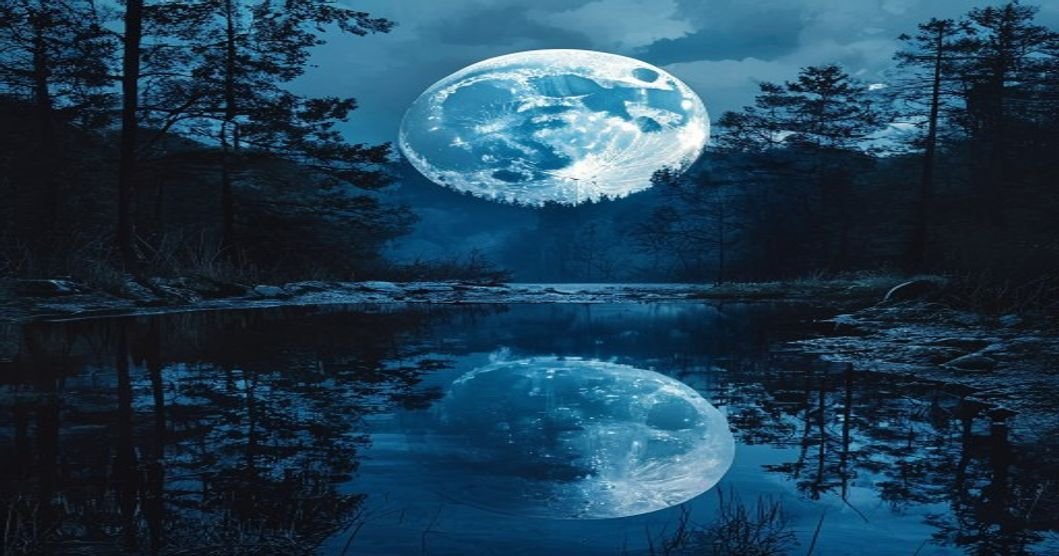
The Garo people of Meghalaya had a beautiful explanation for the dark patches on the moon. The sun and the moon were sisters. The moon was brighter. The sun, from envy, scooped up a handful of wet mud and flung it across her sister’s face while she slept.

When the moon woke and looked at her reflection in the rivers, she saw the dark patches and was sad. But then she noticed something: children on earth were staring up at her and making up stories. One said it was a rabbit. Another, a woman carrying wood. Another, a sleeping giant.

The mud had made her more interesting.

We live in an age of performance reviews, follower counts, salary benchmarks, and LinkedIn posts from people whose careers always seem to be going better than ours. The comparison industry has never been more efficient. You can be outdone by someone in a different city in a different field in a different decade of their life — and you can feel it in real time.

The Garo sun threw mud because she was the sun and she was still not enough. That’s the nature of comparison: it doesn’t require you to be small. It just requires you to stand next to someone and measure.

The moon’s response is worth studying. She didn’t throw mud back. She didn’t diminish. She just — stayed there. Let the children make stories out of her imperfections. And became, eventually, the more beloved of the two.

The Garo people told this story in changys (longhouses) in the hills above the Brahmaputra valley, where the sky was dark enough to see both sisters clearly every night. They grew their cotton, tended their jhums, and measured their worth by the harvest, not by what their neighbour planted.

Your performance review is not the sun’s opinion of whether you’re bright enough. It is one measurement taken on one morning, by someone who has never seen you in the dark.

Brewed with a calm morning cup — our Premium Green Tea from the West Garo Hills is unhurried, like the culture it comes from.
Posted on Leave a comment

Northeast India Tea: Why This Region Is Becoming India’s Most Exciting Tea Country

Northeast India Tea — Northeast India Tea: Why This Region Is Becoming India’s Most Exciting Tea Country — is one of the topics we explore on The Tea Story blog, drawing on our direct experience growing, processing, and tasting tea from our own garden in West Garo Hills, Meghalaya.

The story of great tea from the Northeast of India has, until recently, been primarily the story of Assam — the vast plains of the Brahmaputra valley that supply much of the world’s black CTC tea and a significant portion of its premium orthodox grades. Darjeeling, technically in West Bengal but considered part of the northeastern tea belt, covers the premium end of the Indian black tea market with its first-flush muscatel grades. These two regions have dominated the narrative for a century and a half.

What has changed is visibility. Direct-to-consumer selling, enabled by e-commerce, has made it possible for small single-garden operations in Meghalaya, in the Manipur hills, in Arunachal Pradesh’s subtropical valleys, to reach buyers without going through the Guwahati or Kolkata auction systems that historically controlled market access. The result is that tea from these regions — previously available only to those who went looking very hard — is now findable by anyone with a shipping address and a preference for something other than the standard market offer.

What Makes the Broader Northeast Different

The Northeast is not one tea country. It is a mosaic of microclimates, each producing tea with a distinct character shaped by its specific altitude, rainfall, and soil. Assam plains tea — bold, malty, high tannin — is genuinely different from Meghalaya plateau tea, which tends toward a naturally sweeter, lower-tannin profile. Arunachal Pradesh produces teas at higher altitudes with Darjeeling-adjacent delicacy. The Manipur hills contribute yet another flavour profile influenced by different soil geology.

The common thread is quality of raw material: the entire northeastern region benefits from excellent monsoon moisture, high biodiversity that supports natural pest management, and soils that have not been industrially exhausted in the way that some longer-cultivated regions have.

The Northeast is not one terroir trying to produce one tea. It is a collection of distinct terroirs whose diversity has simply not been visible to buyers who could only access the commodity auction market.

Why Meghalaya Specifically

West Garo Hills in Meghalaya represents one of the most distinctive environments for tea cultivation in the entire Northeast. The combination of extraordinary rainfall (which reduces tannin and increases flavour complexity), deep organically-active topsoil (a function of intact forest cover), moderate altitude (which slows growth and concentrates flavour compounds), and the absence of industrial agricultural inputs produces a tea that does not fit neatly into any established category.

It is not Assam. It is not Darjeeling. It is not Chinese or Japanese green tea. It is a specific thing, from a specific place, with a specific flavour that direct-to-consumer purchasing is, for the first time, making widely accessible.

The story of Northeast Indian tea over the next decade is likely to be the story of many more such gardens finding their buyers directly. The infrastructure for it now exists. The quality, in most cases, already did.