Posted on Leave a comment

The Squirrel and the Deadline: A Garo Story for the Overworked

Garo Story Squirrel Deadline Modern Anxiety — A Garo story about a squirrel and a deadline — for anyone working too hard on too many things at once. What the Garo hills understand about modern anxiety and the wrong kind of busy.

Garo Squirrel Deadline Anxiety: What You Need to Know

Garo Story Squirrel Deadline Modern Anxiety: What You Need to Know

Garo Squirrel Deadline Anxiety — A Garo folktale about a squirrel with a deadline — and what it says about modern work anxiety, urgency, and the cost of always being in a hurry.

For further research, see the Garo people of Meghalaya.

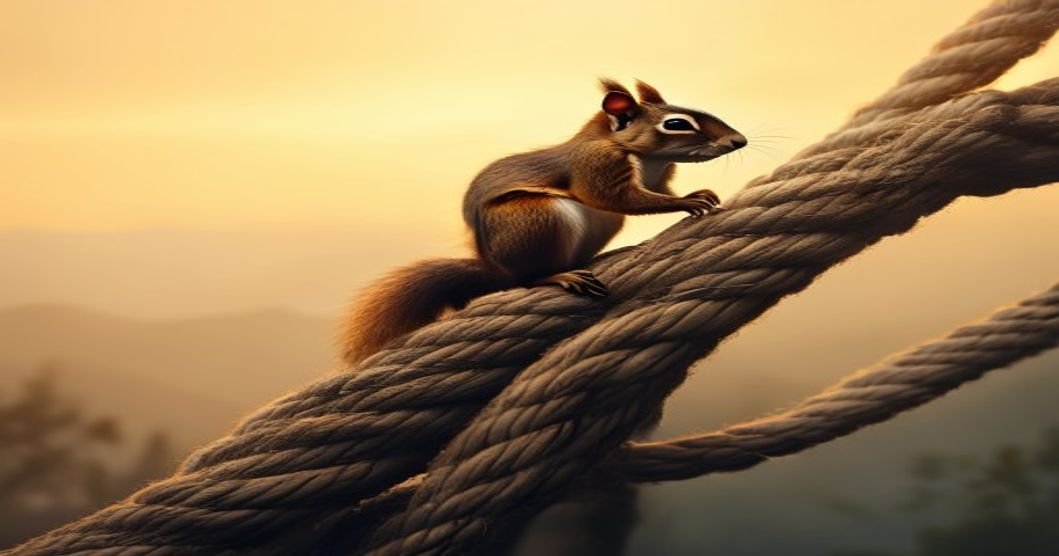
In the Garo hills of Meghalaya, the elders had a theory about earthquakes. The earth, they believed, was a flat square suspended at four corners by great strings. Somewhere up where the strings were tied, a squirrel lived. This squirrel had one defining characteristic: it liked to chew.

A spirit was appointed to watch the squirrel. But one afternoon, the spirit’s attention wandered — a beautiful cloud, a distant song, something. Just for a moment. The squirrel chewed. The earth shook. And since then, the squirrel has never stopped chewing, and the strings are a little thinner every year.

The Garo elders weren’t worried about this. They told the story, shrugged, and went back to tending their jhum clearings. The strings were still there. The earth was still up. Thin strings were enough.

Now consider the modern professional. There is always a squirrel. Sometimes it’s a pending deadline, sometimes a client email unanswered since Tuesday, sometimes a career decision that must be made before — when exactly? Before it’s too late, which is a deadline with no date attached, which is the worst kind.

The difference between the Garo elder and the modern professional is not intelligence or capacity. It’s the relationship to the squirrel. The elder knew the squirrel was there. Accepted it. Poured a cup of chu (rice beer, their equivalent of an evening wind-down) and watched the stars.

There is a specific kind of tiredness that comes not from doing too much, but from watching the squirrel too closely. From narrating your own anxiety in real time. From treating every thin string as if it were already broken.

Brew yourself a cup of something quiet. Look away from the squirrel for twelve minutes. The strings have been holding longer than you think.

From the Garo hills of West Meghalaya, where Tea Story tea is grown on land the Garo people have tended for centuries.

Posted on Leave a comment

The Moon, the Mud, and Your Performance Review: A Garo Myth About Comparison

Garo Story Moon Mud Comparison Culture — A Garo myth about the moon and the mud — and what it has to say about comparison culture, performance reviews, and the damage of measuring unlike things against each other.

Garo Story Moon Mud Comparison Culture: What You Need to Know

Garo Story Moon Mud Comparison — A Garo myth about the moon and the mud — and what it teaches about comparison culture, performance review anxiety, and measuring yourself against others.

For further research, see the Garo people of Meghalaya.

The Garo people of Meghalaya had a beautiful explanation for the dark patches on the moon. The sun and the moon were sisters. The moon was brighter. The sun, from envy, scooped up a handful of wet mud and flung it across her sister’s face while she slept.

When the moon woke and looked at her reflection in the rivers, she saw the dark patches and was sad. But then she noticed something: children on earth were staring up at her and making up stories. One said it was a rabbit. Another, a woman carrying wood. Another, a sleeping giant.

The mud had made her more interesting.

We live in an age of performance reviews, follower counts, salary benchmarks, and LinkedIn posts from people whose careers always seem to be going better than ours. The comparison industry has never been more efficient. You can be outdone by someone in a different city in a different field in a different decade of their life — and you can feel it in real time.

The Garo sun threw mud because she was the sun and she was still not enough. That’s the nature of comparison: it doesn’t require you to be small. It just requires you to stand next to someone and measure.

The moon’s response is worth studying. She didn’t throw mud back. She didn’t diminish. She just — stayed there. Let the children make stories out of her imperfections. And became, eventually, the more beloved of the two.

The Garo people told this story in changys (longhouses) in the hills above the Brahmaputra valley, where the sky was dark enough to see both sisters clearly every night. They grew their cotton, tended their jhums, and measured their worth by the harvest, not by what their neighbour planted.

Your performance review is not the sun’s opinion of whether you’re bright enough. It is one measurement taken on one morning, by someone who has never seen you in the dark.

Brewed with a calm morning cup — our Premium Green Tea from the West Garo Hills is unhurried, like the culture it comes from.