Posted on Leave a comment

Cold Brew Green Tea from Meghalaya: The Simplest Summer Recipe That Actually Works

Cold Brew Green Tea — Cold Brew Green Tea from Meghalaya: The Simplest Summer Recipe That Actually Works — is one of the topics we explore on The Tea Story blog, drawing on our direct experience growing, processing, and tasting tea from our own garden in West Garo Hills, Meghalaya.

Cold brewing is one of the most forgiving and most rewarding ways to prepare whole-leaf green tea. The physics of cold-water extraction favour the compounds you want — L-theanine, light catechins, floral aromatics — and slow down the extraction of tannins dramatically. The result is a cup that is naturally sweet, completely clear, and smooth in a way that hot-brewed tea rarely matches.

It is also the easiest method: add tea and water, wait, done.

Why Cold Brew Works Especially Well for Meghalaya Green Tea

Green tea from West Garo Hills has a natural sweetness and low tannin content to begin with — a product of the soil chemistry and rainfall patterns described in other articles on this site. Cold brewing amplifies these qualities by extracting them preferentially, while the tannins that would emerge in a hot brew remain largely locked in the leaf structure at low temperatures.

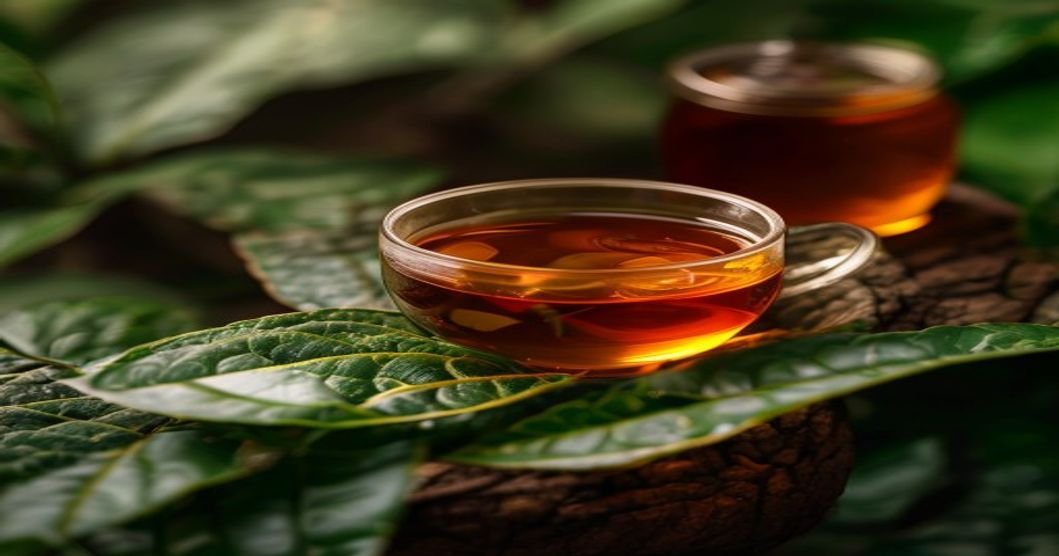
The result is a tea that tastes like the best qualities of the leaf without any of the bitterness that can emerge from hot water. The colour in the glass is a clear, pale gold. The aroma is light and grassy. The finish is long and clean.

Cold water takes eight to twelve hours to do what hot water does in two minutes — but it is selective about what it extracts. Bitterness needs heat. Sweetness does not.

The Method

What you need: 1 litre of cold, filtered water (or good tap water if your local supply is clean). 8–10 grams of whole-leaf green tea (roughly one and a half to two heaped teaspoons). A clean glass jar, pitcher, or bottle with a lid.

The ratio: 8–10g of tea per litre of water is our recommended starting point. If you prefer a lighter, more delicate result, reduce to 6g. If you want a more concentrated brew you can dilute later or drink over ice, increase to 12g.

The process: Add the tea leaves directly to the cold water. Do not pre-wet the leaves, do not heat the water first. Stir briefly to ensure all leaves are in contact with water. Seal and refrigerate for eight to twelve hours — overnight is convenient and works perfectly.

Straining: Pour through a fine mesh strainer or through the infuser basket of your teapot. The finished brew will be clear and pale gold. It keeps refrigerated for up to three days, though it is genuinely best in the first twenty-four hours.

Variations Worth Trying

Add a thin slice of fresh ginger to the jar along with the tea — the cold water extracts ginger’s light, aromatic qualities without the sharpness that hot-brewed ginger can develop. Two or three mint leaves work similarly. A small piece of lemongrass adds a citrus note that pairs well with the natural sweetness of the tea.

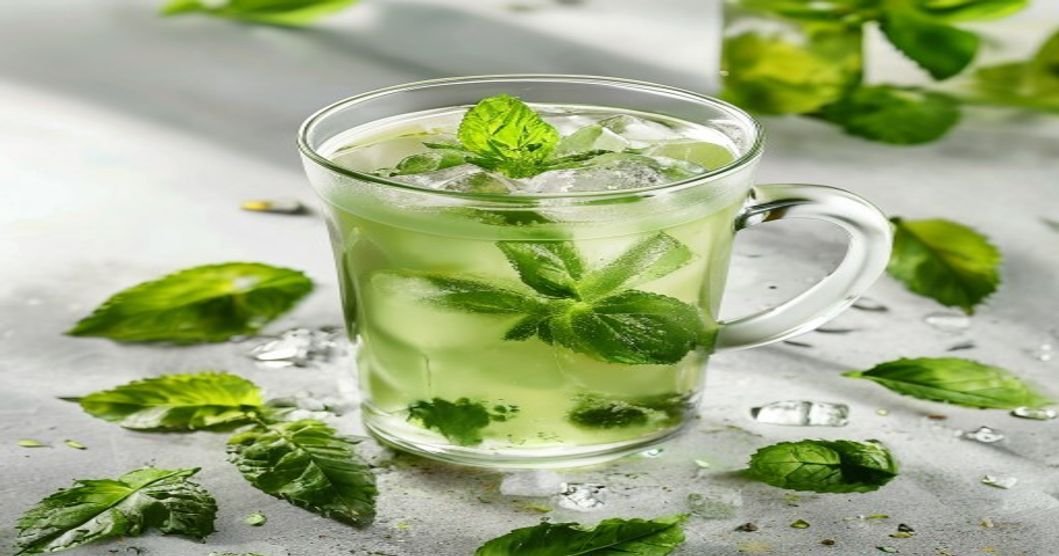
For a longer drink, pour the cold brew over ice and add a slice of cucumber and a sprig of mint. This is as close to a genuinely refreshing non-alcoholic summer drink as tea produces without any additives.

Which Tea to Use

Any of our whole-leaf green teas works for cold brewing. Premium Green Tea from our West Garo Hills garden gives the cleanest, most delicate cold brew. Orange Dew Tea — our green tea with orange peel and ginger — gives a cold brew with a light citrus character that is particularly good over ice. Jasmine Green Tea produces a floral cold brew that smells extraordinary when the jar is first opened in the morning.

The method is the same for all of them. The experience is different with each — which is a reason to keep more than one variety on hand.
Posted on Leave a comment

Organic Green Tea from Meghalaya: Why West Garo Hills Grows Some of India’s Most Distinctive Tea

Organic Green Tea — Discover why West Garo Hills in Meghalaya produces distinctive organic green tea — misty hill terrain, single-garden sourcing, and a 3x re-brew tradition explained.

Organic Green Tea: What You Need to Know

Organic Green Tea: What You Need to Know

Organic Green Tea: What You Need to Know

Organic Green Tea: What You Need to Know

Organic Green Tea: What You Need to Know

Organic Green Tea: What You Need to Know

Organic Green Tea: What You Need to Know

Organic Green Tea: What You Need to Know

Organic Green Tea: What You Need to Know

Organic Green Tea: What You Need to Know

Most green tea sold in India travels through a long chain of growers, brokers, and blenders before it reaches a cup. Ours doesn’t. The Tea Story’s green teas are grown, processed, and packed entirely within our own garden and factory in West Garo Hills, Meghalaya — one of the lesser-known but genuinely distinctive tea-growing regions in Northeast India.

Why West Garo Hills Produces Different Green Tea

Meghalaya’s tea gardens sit at elevations and humidity levels quite different from the Dooars or Assam valley estates most Indian green tea comes from. The hill terrain of West Garo Hills means slower leaf growth, which concentrates flavour and the natural antioxidant compounds (catechins) that green tea is prized for. The misty, cooler mornings typical of this part of Meghalaya also reduce the bitterness that rushed, lowland-grown green tea often develops.

This is the foundation of our Premium Green Tea — a classic, antioxidant-rich green tea grown on our own garden, with no blending from outside sources.

What “Organic” Actually Means for Our Tea

We don’t use synthetic pesticides or chemical fertilisers across our garden. Because we control the entire chain — from the bush to your cup — there’s no opportunity for additives or fillers to enter at a blending or packaging stage the way they can with tea sourced from multiple brokers. This single-garden, single-factory model is the same reason we can state plainly: own garden, own factory, no middlemen.

Our FSSAI license (21719011000008) covers our food safety compliance as a registered Indian tea manufacturer.

How to Brew Our Green Tea for the Best Flavour

Green tea is the easiest tea to ruin with boiling water — it turns bitter and grassy. For West Garo Hills green tea specifically:

  • Water temperature: 75–85°C (well off the boil — let boiled water rest 2–3 minutes first if you don’t have a temperature kettle)
  • Steep time: 2 minutes for the first brew
  • Re-brew: our leaves are whole-leaf and can be steeped up to 3 times within a 15-minute window, with each brew revealing slightly different notes as the leaf unfurls further

This is a genuinely different experience from tea bags, where the leaf is broken into fine particles (“dust” or “fannings” grade) that exhaust their flavour in a single steep.

Our Green Tea Range

Beyond the classic Premium Green Tea, we make several green-tea-based blends entirely on our own base leaf:

  • Kahwa Tea — saffron, almond, cardamom, and cinnamon on our green base, in the Kashmiri kahwa tradition
  • Blue Tea (Butterfly Pea) — colour-changing, naturally caffeine-free, calming
  • Orange Dew and Lemon Dew — citrus-forward, Vitamin C-rich blends
  • Mint Tea — cooling and digestive
  • Jasmine Green Tea — floral and calming
  • Oolong Tea — semi-oxidised, sitting between green and black in character

Every one of these starts from the same single-garden green leaf, so the quality baseline is identical across the range — only the added botanicals change.

Try It Yourself

If you’ve only had green tea from a supermarket tea bag, a single-garden, hand-processed green tea from Meghalaya is worth tasting side by side. Browse our Green Tea collection or read more about our garden and factory.

Posted on Leave a comment

Black Orthodox Tea vs CTC Tea: What’s the Difference and Which Should You Choose?

Black Orthodox Tea Vs Ctc Tea Difference — Black orthodox tea vs CTC tea — the real difference in processing, flavour, health benefits, and why whole leaf orthodox tea from Meghalaya produces a fundamentally better cup.

Black Orthodox Tea Vs Ctc Tea Difference: What You Need to Know

For further reading, see CTC tea (Wikipedia).

Black Orthodox Tea Vs Ctc — What separates black orthodox tea from CTC — processing method, flavour, re-brewing, health benefits, and which to choose for your daily cup.

For further research, see orthodox tea processing.

If you’ve shopped for Indian black tea, you’ve likely seen “Orthodox” and “CTC” on packaging without much explanation of what either term means. They’re not different tea plants or qualities — they’re two different ways of processing the same leaf, and they produce genuinely different cups.

What CTC Means

CTC stands for Crush, Tear, Curl — a mechanical processing method developed in the 20th century to produce small, dense tea particles that brew quickly and strongly. CTC tea is what most “chai” in India is made from: it stands up to milk, sugar, and spices, and brews a full cup in 3–4 minutes.

Our CTC range — CTC Classic, CTC Premium, and CTC Gold — is made specifically for masala chai and everyday milk tea. We also make spiced CTC blends: Ginger Tea, Earl Grey Tea, and Cardamom Tea, all built on the same robust CTC base.

What Orthodox Means

Orthodox processing keeps the tea leaf largely whole or lightly twisted, rather than mechanically broken down. It’s slower and more labour-intensive, but it preserves more of the leaf’s natural character — and crucially, it allows for multiple re-brews, since the leaf releases its flavour gradually rather than all at once.

Our Meghalaya Orthodox Tea is a first-flush, full-leaf black tea from our own garden — bold and malty, without the bitterness that can come from over-extracted CTC tea steeped too long. We also make several orthodox-based flavoured teas: Rose Tea, Jasmine Orthodox Tea, Roselle Tea (hibiscus), and Vanilla Tea.

The Practical Difference When You Brew

CTC Orthodox
Leaf appearance Small, granular pellets Whole or lightly rolled leaves
Brew time 3–4 minutes 3–5 minutes
Best with milk Yes — designed for it Good without milk; also works with milk
Re-brewable No — exhausts in one steep Yes — up to 3 times
Flavour profile Strong, brisk, straightforward Complex, layered, changes brew to brew

Which Should You Choose?

If your daily habit is a quick, strong cup with milk and sugar — masala chai, builder’s tea — CTC is the right choice, and it’s what most Indian households already drink. Our CTC Classic and Ginger Tea are built exactly for this.

If you want to slow down with a cup, taste more complexity, or get more value per gram of leaf through re-brewing, orthodox tea is worth trying. Our Meghalaya Orthodox Tea, brewed at 90–95°C for 3–5 minutes, is a good starting point — and because it’s our own garden’s first flush, it’s a genuinely different experience from supermarket orthodox tea blended from multiple estates.

Both, From the Same Garden

Because we grow and process both styles ourselves in West Garo Hills, you’re not choosing between two different suppliers’ quality standards — just two different ways of treating the same leaf. Browse our Black Orthodox Tea collection or our CTC Milk Tea collection.

Posted on Leave a comment

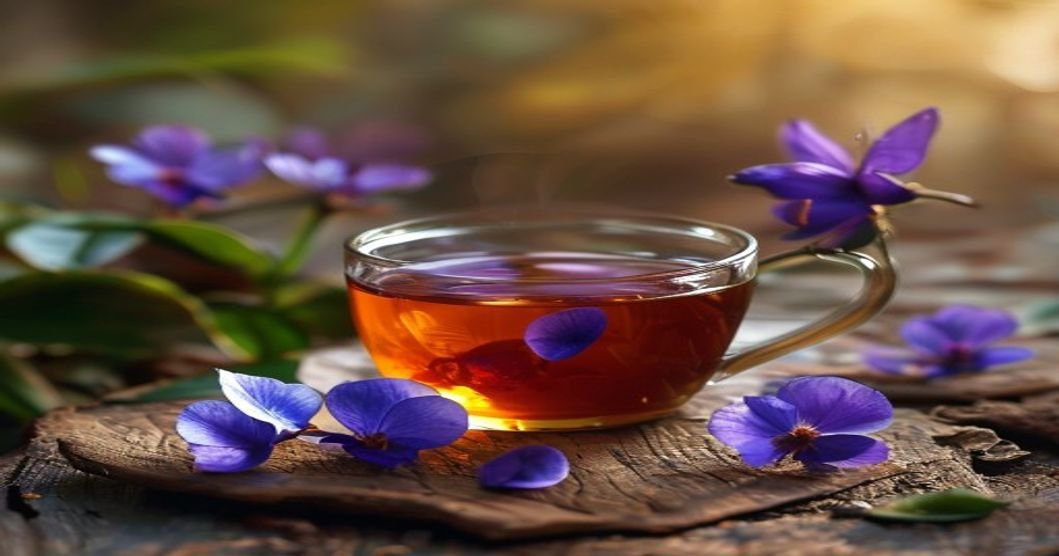
Butterfly Pea Flower Tea (Blue Tea): What It Is and How to Brew It

Butterfly pea flower tea — often sold simply as “Blue Tea” — is one of the more visually striking teas in our range, and also one of the most misunderstood. Here’s what it actually is.

Butterfly Pea Flower Tea: What You Need to Know

Blue Tea: What You Need to Know

Blue Tea: What You Need to Know

Blue Tea: What You Need to Know

Blue Tea: What You Need to Know

Blue Tea: What You Need to Know

Blue Tea: What You Need to Know

Blue Tea: What You Need to Know

Blue Tea: What You Need to Know

Blue Tea: What You Need to Know

Blue Tea: What You Need to Know

Blue Tea: What You Need to Know

Blue Tea: What You Need to Know

It’s Not Made From the Tea Plant

This is the detail most people miss: butterfly pea flower tea isn’t made from *Camellia sinensis*, the plant that produces green, black, and oolong tea. It’s an herbal infusion (technically a tisane) made from the dried petals of the butterfly pea flower (*Clitoria ternatea*), a vine native to South and Southeast Asia.

This matters practically: butterfly pea flower tea is naturally caffeine-free, making it a genuine evening or anytime option rather than just a lower-caffeine alternative.

Why It Changes Colour

The deep blue colour comes from anthocyanins — the same family of pigments responsible for the colour in blueberries and red cabbage. Anthocyanins are pH-sensitive: in neutral water, the infusion is a striking indigo-blue, but adding something acidic — a squeeze of lemon, for instance — shifts the colour to purple or pink in seconds. This isn’t a food-colouring trick; it’s a genuine, visible chemical reaction, and it’s part of why the tea has become popular for its presentation as well as its taste.

What It Tastes Like

On its own, butterfly pea flower tea has a mild, slightly earthy, woody flavour — it’s not strongly sweet or floral. Most people enjoy it with a small amount of honey and lemon, partly for taste and partly to watch the colour-shift happen.

How We Brew Our Blue Tea

Our Blue Tea is grown and dried in our West Garo Hills garden alongside our other teas.

  • Water temperature: 75–85°C
  • Steep time: 4–5 minutes (longer than green tea, since the dried petals need more time to release their colour and flavour)
  • Re-brewable: yes, generally for one additional steep with a longer second infusion

A Few Practical Uses Beyond a Hot Cup

  • Iced butterfly pea tea with lemon makes a naturally colour-changing cold drink
  • It’s sometimes used in South and Southeast Asian cooking as a natural blue food colouring for rice and desserts
  • Because it’s caffeine-free, it’s a reasonable choice for an after-dinner cup without affecting sleep

Try It

If you’ve only seen butterfly pea flower tea on social media, brewing it yourself is worth doing once just to see the colour shift happen in your own cup. Order our Blue Tea from our West Garo Hills garden.

Posted on Leave a comment

Jasmine Tea Explained: Green vs Orthodox Jasmine, and How They Differ

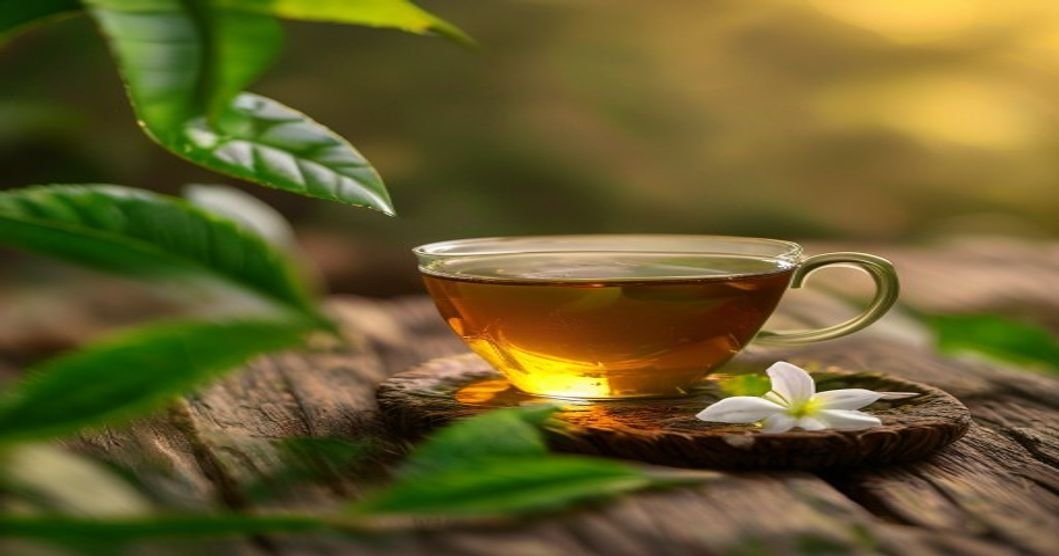
Jasmine tea is one of the most recognisable scented teas worldwide, but most people don’t know how the jasmine flavour actually gets into the leaf — or that “jasmine tea” can mean genuinely different things depending on the tea base it’s made with. We make two distinct jasmine teas, and they’re worth understanding separately.

Jasmine Tea: What You Need to Know

How Jasmine Tea Is Traditionally Made

Authentic jasmine tea isn’t simply tea leaves with jasmine oil sprayed on. The traditional method involves layering tea leaves with fresh jasmine blossoms overnight, allowing the tea to absorb the flowers’ natural scent through direct contact, then removing the spent blossoms — sometimes repeating this process multiple times for a stronger, more layered aroma. This is a genuinely time-intensive method, which is part of why well-made jasmine tea costs more than tea with synthetic jasmine flavouring added.

Jasmine Green Tea

Our Jasmine Green Tea uses our single-garden green tea as its base, scented with jasmine. Green tea is the traditional pairing for jasmine in Chinese tea-making, and the combination works because green tea‘s relatively delicate character lets the jasmine aroma come through clearly rather than being overpowered by a stronger tea base.

Brewing: 75–85°C, 2–3 minutes, re-brewable up to 3 times like our other green teas — and notably, the jasmine aroma often becomes more pronounced rather than weaker on the second steep, as the leaf continues to release scent.

Jasmine Orthodox Tea

Our Jasmine Orthodox Tea takes a different approach: jasmine scenting on our full-leaf black orthodox base. This produces a noticeably different cup — the malty, bolder character of black tea underneath the jasmine aroma, rather than green tea‘s lighter profile. It’s a less common pairing than jasmine green tea, but one we think works particularly well with our orthodox base specifically because the tea has enough body to carry the floral note without becoming one-dimensional.

Brewing: 90–95°C, 3 minutes, re-brewable like our other orthodox teas.

Which Should You Try First?

If you’ve had jasmine tea before, it was very likely jasmine green tea — it’s by far the more common version internationally. Our Jasmine Green Tea is the closer match to that familiar profile.

If you already enjoy black tea and want to try jasmine without losing that boldness, Jasmine Orthodox Tea is the better starting point — it reads more as “black tea with floral notes” than “floral tea.”

Both From the Same Process

Whichever base you choose, both jasmine teas go through the same careful scenting process in our West Garo Hills factory — no shortcuts with synthetic jasmine oil. Try our Jasmine Green Tea or Jasmine Orthodox Tea.