
Cold Brew Green Tea — Cold Brew Green Tea from Meghalaya: The Simplest Summer Recipe That Actually Works — is one of the topics we explore on The Tea Story blog, drawing on our direct experience growing, processing, and tasting tea from our own garden in West Garo Hills, Meghalaya.
Cold brewing is one of the most forgiving and most rewarding ways to prepare whole-leaf green tea. The physics of cold-water extraction favour the compounds you want — L-theanine, light catechins, floral aromatics — and slow down the extraction of tannins dramatically. The result is a cup that is naturally sweet, completely clear, and smooth in a way that hot-brewed tea rarely matches.
It is also the easiest method: add tea and water, wait, done.
Why Cold Brew Works Especially Well for Meghalaya Green Tea
Green tea from West Garo Hills has a natural sweetness and low tannin content to begin with — a product of the soil chemistry and rainfall patterns described in other articles on this site. Cold brewing amplifies these qualities by extracting them preferentially, while the tannins that would emerge in a hot brew remain largely locked in the leaf structure at low temperatures.
The result is a tea that tastes like the best qualities of the leaf without any of the bitterness that can emerge from hot water. The colour in the glass is a clear, pale gold. The aroma is light and grassy. The finish is long and clean.
Cold water takes eight to twelve hours to do what hot water does in two minutes — but it is selective about what it extracts. Bitterness needs heat. Sweetness does not.
The Method
What you need: 1 litre of cold, filtered water (or good tap water if your local supply is clean). 8–10 grams of whole-leaf green tea (roughly one and a half to two heaped teaspoons). A clean glass jar, pitcher, or bottle with a lid.
The ratio: 8–10g of tea per litre of water is our recommended starting point. If you prefer a lighter, more delicate result, reduce to 6g. If you want a more concentrated brew you can dilute later or drink over ice, increase to 12g.
The process: Add the tea leaves directly to the cold water. Do not pre-wet the leaves, do not heat the water first. Stir briefly to ensure all leaves are in contact with water. Seal and refrigerate for eight to twelve hours — overnight is convenient and works perfectly.
Straining: Pour through a fine mesh strainer or through the infuser basket of your teapot. The finished brew will be clear and pale gold. It keeps refrigerated for up to three days, though it is genuinely best in the first twenty-four hours.
Variations Worth Trying
Add a thin slice of fresh ginger to the jar along with the tea — the cold water extracts ginger’s light, aromatic qualities without the sharpness that hot-brewed ginger can develop. Two or three mint leaves work similarly. A small piece of lemongrass adds a citrus note that pairs well with the natural sweetness of the tea.
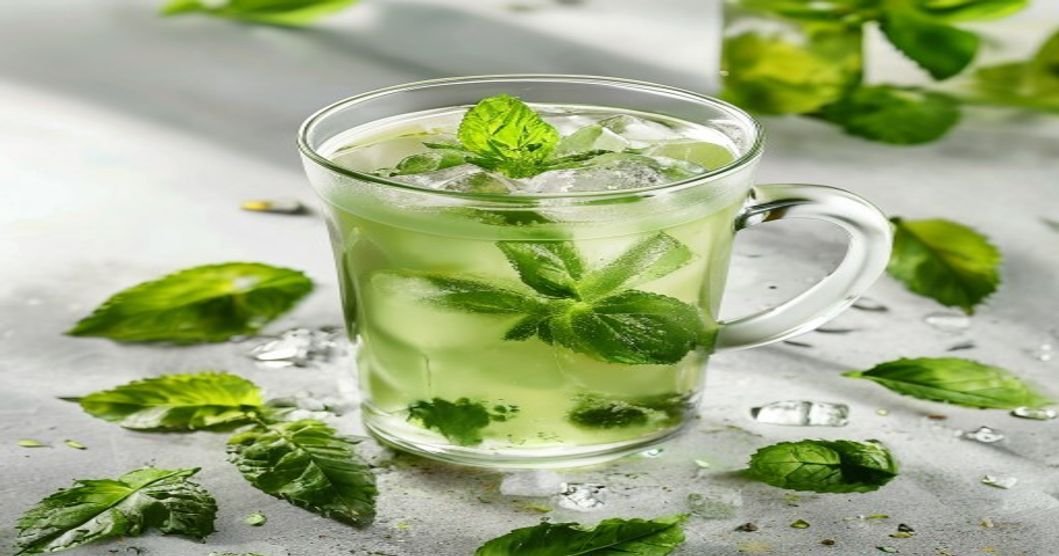
For a longer drink, pour the cold brew over ice and add a slice of cucumber and a sprig of mint. This is as close to a genuinely refreshing non-alcoholic summer drink as tea produces without any additives.
Which Tea to Use
Any of our whole-leaf green teas works for cold brewing. Premium Green Tea from our West Garo Hills garden gives the cleanest, most delicate cold brew. Orange Dew Tea — our green tea with orange peel and ginger — gives a cold brew with a light citrus character that is particularly good over ice. Jasmine Green Tea produces a floral cold brew that smells extraordinary when the jar is first opened in the morning.
The method is the same for all of them. The experience is different with each — which is a reason to keep more than one variety on hand.