
Posted on Leave a comment

What the Garo Hills Know About Hospitality That Your Favourite Café Doesn’t

Garo Hospitality Gift Culture Tea — Garo hospitality is built on the gift — tea offered without transaction. What this cultural practice teaches about welcome, generosity, and what cafés have got wrong.

Garo Hospitality Gift Culture Tea: What You Need to Know

For further research, see the Garo people of Meghalaya.

There is a scene in the 1898 accounts of a journey through the Garo hills: a researcher stops at a village in the hills, admires a woman’s simpak cloth — a bark-cloth blanket drying on the roof. The woman, without hesitation, pulls it off the thatch and presents it. With a smile.

He hadn’t asked. She didn’t haggle. The offer was simply made because he had noticed it, and noticing a thing in a Garo context was understood as a kind of wanting, and wanting a thing that someone had was a social occasion for giving. The exchange was not transactional. It was relational. She gave; he was now in a relationship with her that carried its own obligations, which would play out through the social fabric of the village in ways he didn’t fully understand.

The Garo concept of hospitality was built on this principle: the gift precedes the request. You offer before you are asked. The feast is prepared before the guests arrive. The chu is poured before the news is shared. The social contract begins with generosity and works backward to need.

Modern hospitality — the café, the hotel, the concierge economy — begins with the menu. You tell us what you want; we provide it; you pay; the relationship ends. It is efficient and entirely pleasant and contains almost no human exchange whatsoever.

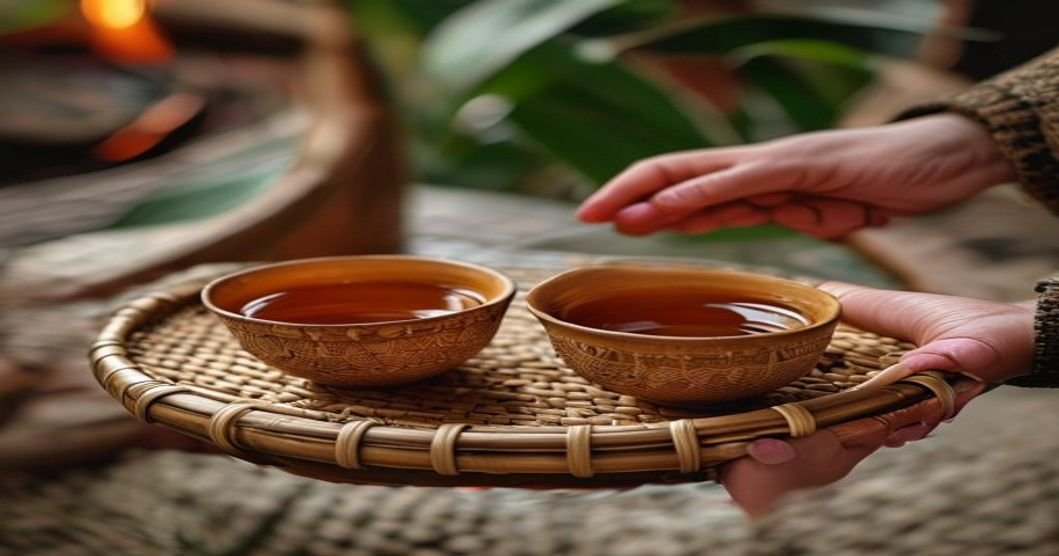
Tea sits at an interesting point in this. In most cultures that have a serious tea tradition, the offering of tea precedes everything — conversation, business, disclosure, need. You are given the cup before you are asked what you want. The cup is the statement that you are welcome, that your presence is noticed, that something is being made for you before you have explained yourself.

This is old. The Garo hills knew it. The Japanese tea ceremony knows it. The Bengali adda knows it. The Irish farmhouse cup-before-question knows it. The moment you give someone a cup of tea before they ask for it, you have done something small and genuinely human. It costs almost nothing. It is not nothing.
Posted on Leave a comment

The Forest That Belongs to Everyone: The Garo Commons and the Limits of Ownership

Forest Belongs Everyone Garo Commons — The Garo jhum system held abandoned clearings as village commons — they looked like virgin forest but were owned collectively, in time rather than space. An old answer to a very new problem.

Forest Belongs Everyone Garo Commons: What You Need to Know

Garo Commons — The Garo jhum system held abandoned clearings as village commons — they looked like virgin forest but were owned collectively, in time rather than space. An old answer to a very new problem.

Garo Commons: What You Need to Know

In the Garo jhum system, when a clearing was abandoned after two or three years of cultivation, it was given back to the jungle. Within a few seasons, it was indistinguishable from virgin forest — the trees returned, the undergrowth thickened, birds and animals came back, the topsoil rebuilt itself.

But the land was not forgotten. It still belonged to the village. It was held in the village’s common memory, recorded in social knowledge rather than paper title deeds: this section, resting now, will be available to clear in seven years. That section, dormant for twelve years, is ready when we need it.

The old site, which now looks like it has never been farmed, is the cause of frequent disputes, noted one observer — because everyone knew it was there, and because the knowledge of its availability was power. The commons was not unowned. It was owned differently: collectively, temporally, through memory rather than fences.

The tragedy of the commons — the economic theory that shared resources are inevitably overused and destroyed — assumes a particular kind of commons: one with no social enforcement, no memory, no governance. The Garo commons had all three. It was governed by the village’s collective knowledge of who had farmed where and when, enforced by social memory, and protected by the understanding that overusing your section now meant no section available later.

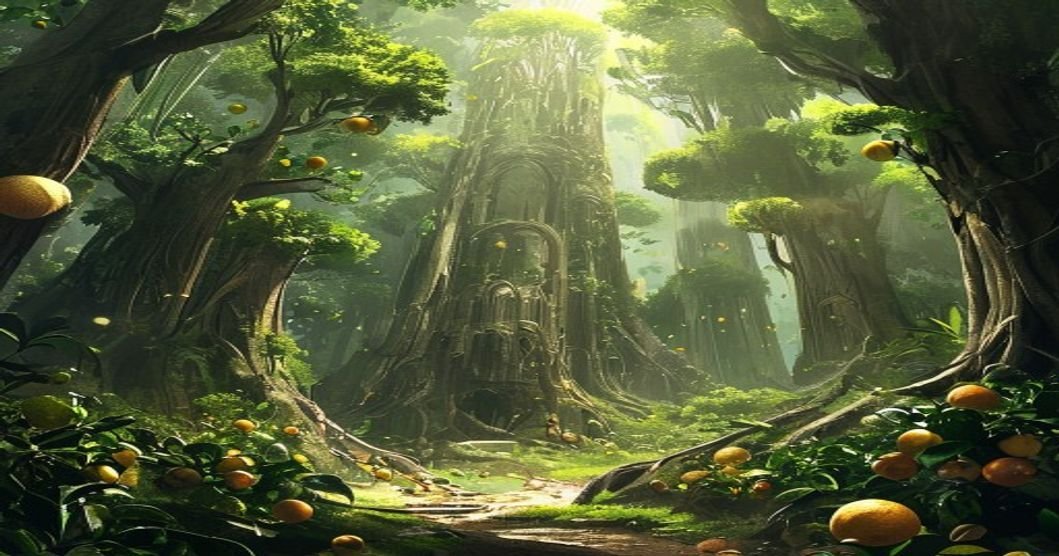
The Nokrek Biosphere Reserve — the UNESCO-designated world heritage site in the West Garo Hills — is there partly because the Garo people were custodians of its biodiversity for centuries before UNESCO existed. The wild citrus trees that grow in Nokrek, including Citrus indica, one of the wild ancestors of all cultivated citrus, are there because the Garo system of land use left space for them.

Tea grown in this region carries something of this relationship. Not grown on cleared, consolidated monoculture land. Grown on hillsides that still have the Garo hills‘ biodiversity in their soil memory. What the land remembers about rest and recovery ends up, in some small way, in the cup.