Garo Commons — The Garo jhum system held abandoned clearings as village commons — they looked like virgin forest but were owned collectively, in time rather than space. An old answer to a very new problem.
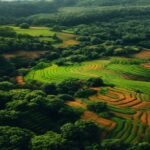
In the Garo jhum system, when a clearing was abandoned after two or three years of cultivation, it was given back to the jungle. Within a few seasons, it was indistinguishable from virgin forest — the trees returned, the undergrowth thickened, birds and animals came back, the topsoil rebuilt itself.
But the land was not forgotten. It still belonged to the village. It was held in the village’s common memory, recorded in social knowledge rather than paper title deeds: this section, resting now, will be available to clear in seven years. That section, dormant for twelve years, is ready when we need it.
The old site, which now looks like it has never been farmed, is the cause of frequent disputes, noted one observer — because everyone knew it was there, and because the knowledge of its availability was power. The commons was not unowned. It was owned differently: collectively, temporally, through memory rather than fences.
The tragedy of the commons — the economic theory that shared resources are inevitably overused and destroyed — assumes a particular kind of commons: one with no social enforcement, no memory, no governance. The Garo commons had all three. It was governed by the village’s collective knowledge of who had farmed where and when, enforced by social memory, and protected by the understanding that overusing your section now meant no section available later.
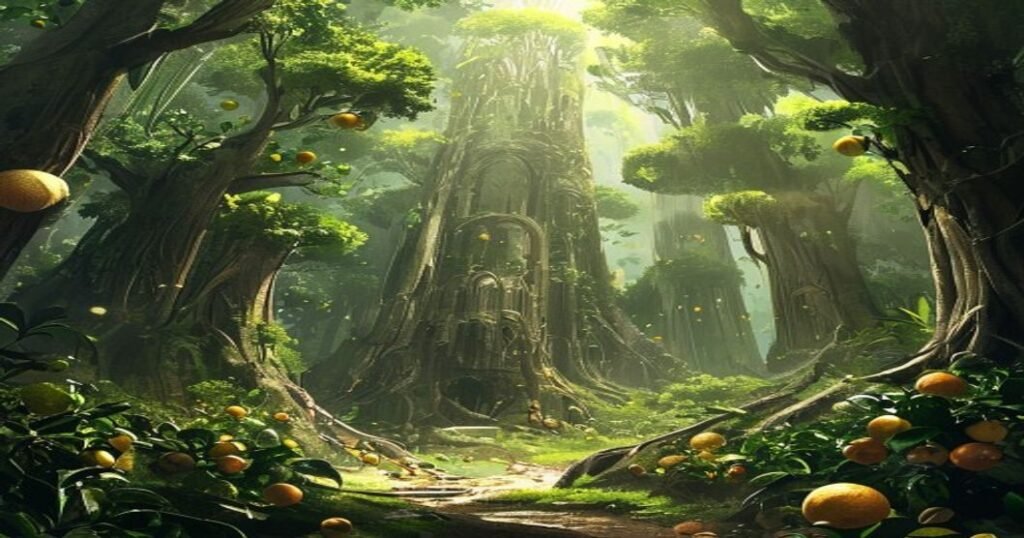
The Nokrek Biosphere Reserve — the UNESCO-designated world heritage site in the West Garo Hills — is there partly because the Garo people were custodians of its biodiversity for centuries before UNESCO existed. The wild citrus trees that grow in Nokrek, including Citrus indica, one of the wild ancestors of all cultivated citrus, are there because the Garo system of land use left space for them.
Tea grown in this region carries something of this relationship. Not grown on cleared, consolidated monoculture land. Grown on hillsides that still have the Garo hills‘ biodiversity in their soil memory. What the land remembers about rest and recovery ends up, in some small way, in the cup.
Tea Story tea is grown in the West Garo Hills — one of the world's rainiest, most biodiverse regions. Single-garden. No middlemen. Re-brews three times. Explore our teas →