For further reading, see Garo Hills (Wikipedia).
Garo Cotton Global Trade — How Garo cotton producers were connected to European markets — and what this historical supply chain teaches about fair trade, ethics, and where value goes.
For further research, see the Garo people of Meghalaya.
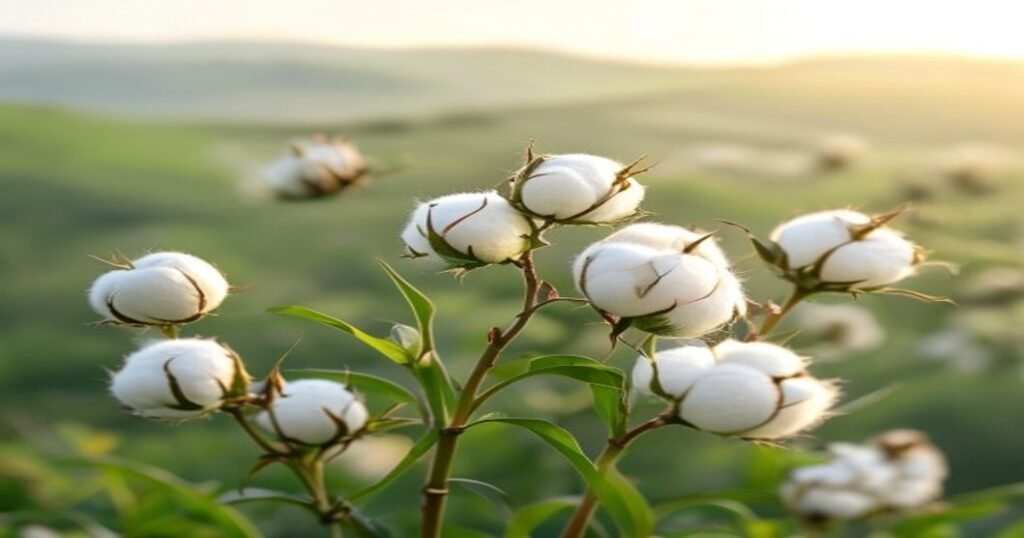
“Some who read this may be resting their feet the while on cotton grown in a Garo jhum,” wrote Rev. William Carey in 1919, noting that Garo hill cotton had found its way into European and Japanese felt and carpet mills.
The Garo farmers who grew that cotton received, at the frontier markets, trade goods: cloth, metal items, and liquor. The Bengali merchants who brokered it upward received a margin. The British trading companies that shipped it received a margin. The mills that processed it received the largest margin of all. The carpet buyer in London who rested their feet on Garo cotton had no idea where it came from, paid a fair market price for a finished product, and completed a supply chain that began with a woman sowing cotton seed in the jhum clearing of a hill she would farm for two years and then abandon.
The structure of value extraction in global commodity supply chains has not materially changed since the frontier markets of the 18th century. The person at the beginning of the chain — the one whose labour and land and knowledge produces the raw material — typically receives the smallest portion of the final sale price. The people who add the least non-replicable value (transportation, branding, retail presence) receive the largest portion.
Tea is not exempt from this. The global tea industry is built on this exact structure. Gardens in Assam, Meghalaya, and Darjeeling supply raw leaf that is auctioned, blended, branded, packaged, and sold at multiples of the garden gate price.
The Tea Story is a direct model: garden-to-consumer, without the auction house, without the broker, without the blend that dilutes the specific with the generic. The value that would ordinarily be distributed across the chain stays at both ends — the garden that produced it and the customer who drinks it. The Garo cotton farmer who walked five days to the frontier market and received cloth in exchange for fibre worth a fortune in London would recognise this problem. And they would recognise the alternative too.
Tea Story tea is grown in the West Garo Hills — one of the world's rainiest, most biodiverse regions. Single-garden. No middlemen. Re-brews three times. Explore our teas →