Posted on Leave a comment

Tea for Skin: How Green Tea and Hibiscus Affect Acne, Aging, and UV Protection from the Inside

Green Tea For Skin Health Acne Aging — How green tea and hibiscus affect skin health — acne, aging, UV protection and collagen. Evidence-based guide from The Tea Story.

Green Tea For Skin Health Acne Aging: What You Need to Know

Green Tea For Skin Health Acne Aging: What You Need to Know

Green Tea For Skin Health Acne Aging: What You Need to Know

Green Tea For Skin Health Acne Aging: What You Need to Know

Green Tea For Skin Health Acne Aging: What You Need to Know

Green Tea For Skin Health Acne Aging: What You Need to Know

Green Tea For Skin Health Acne Aging: What You Need to Know

Green Tea For Skin Health Acne Aging: What You Need to Know

Green Tea For Skin Health Acne Aging: What You Need to Know

Green Tea For Skin Health Acne Aging: What You Need to Know

⚠ Medical Disclaimer: This article is for informational purposes only. Tea is a complement to a healthy lifestyle — not a treatment or cure for any medical condition. Always consult a qualified doctor or healthcare provider before making changes to manage any health condition. Do not replace prescribed medication with tea or any other food supplement.

Skin health is one of the areas where tea’s benefits are supported by both strong mechanistic evidence and a growing body of clinical trials. The skin is the body’s largest organ, and it is constantly exposed to oxidative stress from UV radiation, pollution, and internal metabolic processes. Tea’s antioxidant compounds — particularly EGCG in green tea and anthocyanins in hibiscus — address multiple pathways of skin damage simultaneously.

Green tea and UV protection

A landmark 2003 study in the Journal of Nutrition found that women consuming green tea daily for 12 weeks had significantly better UV-induced skin protection as measured by minimal erythemal dose (the UV threshold for skin reddening). The green tea group also showed improved skin elasticity, roughness, scaling, and density compared to the placebo group. The mechanism is EGCG’s ability to inhibit UV-induced DNA damage in skin cells and reduce the inflammatory cascade that follows sun exposure.

Green tea and acne

Acne is primarily driven by excess sebum production and the inflammation triggered by Cutibacterium acnes bacteria. A 2012 randomised controlled trial published in the Journal of Investigative Dermatology found that EGCG directly inhibits sebum production by suppressing the androgen receptor activity in sebaceous glands — the skin cells that produce oil. A 2017 split-face trial found topical green tea application significantly reduced lesion count and sebum levels versus placebo.

For internal consumption, regular green tea drinking reduces systemic inflammation levels (including IL-6 and TNF-alpha), which is relevant because inflammatory acne (the red, cystic type rather than comedonal whiteheads/blackheads) is driven by systemic rather than purely local inflammation.

Hibiscus and collagen synthesis

Collagen is the structural protein that gives skin its firmness and elasticity. Collagen synthesis requires Vitamin C as a cofactor — without Vitamin C, collagen fibres cannot form properly. Hibiscus (Roselle) contains a remarkable concentration of Vitamin C — studies have measured between 12mg and 40mg per 100g of dried hibiscus, with concentrations varying by growing conditions. More significantly, hibiscus contains anthocyanins that directly inhibit collagenase and elastase — the enzymes that break down existing collagen and elastin in the skin. This dual action (supporting synthesis + inhibiting breakdown) makes hibiscus unusually effective for skin integrity.

Anti-aging: the oxidative stress pathway

Skin aging is fundamentally an oxidative stress process — reactive oxygen species (from UV, pollution, and normal metabolism) damage cellular DNA, lipid membranes, and structural proteins. Green tea catechins have ORAC (oxygen radical absorbance capacity) values among the highest measured for any food compound. Regular consumption significantly reduces systemic oxidative stress markers, protecting skin cells along with every other cell in the body.

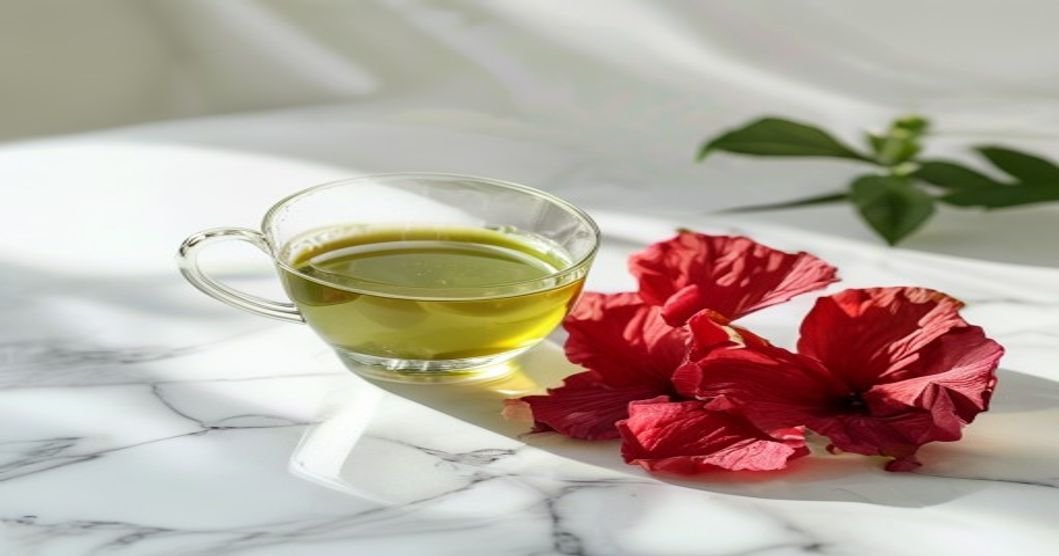
Teas to try from Tea Story: Premium Green Tea for EGCG (UV protection, acne, anti-aging antioxidants) and Hibiscus Roselle Tea for collagenase inhibition and Vitamin C. Both best consumed without sugar.
Posted on Leave a comment

Lemon Peel in Tea: The Zest That Does More Than You Think

Lemon Peel In Tea — Lemon Peel in Tea: The Zest That Does More Than You Think — is one of the topics we explore on The Tea Story blog, drawing on our direct experience growing, processing, and tasting tea from our own garden in West Garo Hills, Meghalaya.

There is a distinction that most tea drinkers have not consciously made: the juice of a lemon and the peel of a lemon are fundamentally different ingredients in tea. The juice adds acidity — tartness, a brightening effect, and the colour change in certain anthocyanin-containing teas. The peel adds aroma: the essential oils in lemon zest are a complex mix of terpene compounds (primarily limonene, but also linalool, geranial, and neral) that together produce the “lemon” smell that the juice itself contributes very little of.

This distinction matters in tea because the two applications do different things. Lemon juice adjusts flavour. Lemon peel — dried, grated, or as thin strips of zest — perfumes the tea in a way that changes the entire aromatic experience of the cup.

Why Dried Peel Works in Blends

Fresh lemon peel releases its aromatics quickly and at high intensity. Dried lemon peel, which has had its moisture removed while retaining most of its essential oil content, releases aromatics more slowly during brewing — giving a sustained, integrated citrus note rather than a quick bright burst that fades. This is why dried citrus peel is used in tea blends rather than fresh: the dried form provides consistent, measurable aromatic contribution per gram, and it does so over the full brewing period rather than in the first thirty seconds.

In combination with green tea — which has its own gentle, vegetal sweetness — dried lemon peel creates a cup that is simultaneously bright and rounded. The citrus top note prevents the tea from tasting flat or one-dimensional. The tea’s natural sweetness and body prevent the lemon from making the cup feel thin or acidic. The combination is more satisfying than either component alone.

Lemon peel in tea is not lemon tea. Lemon tea is acid in tea — sharp, clarifying, suitable for heavy black tea. Lemon peel tea is a flavour conversation between citrus and leaf that produces something entirely its own.

Vitamin C and the Heat Question

Lemon peel contains vitamin C, as does lemon juice — but vitamin C is heat-sensitive and degrades significantly in boiling water. If your primary motivation for adding lemon to tea is vitamin C, adding it after the tea has cooled slightly (below 60°C) preserves more of the vitamin than adding it to boiling water. For flavour purposes, the temperature of addition makes less difference to the aroma compounds in the peel than it does to the vitamin content.

In Our Teas

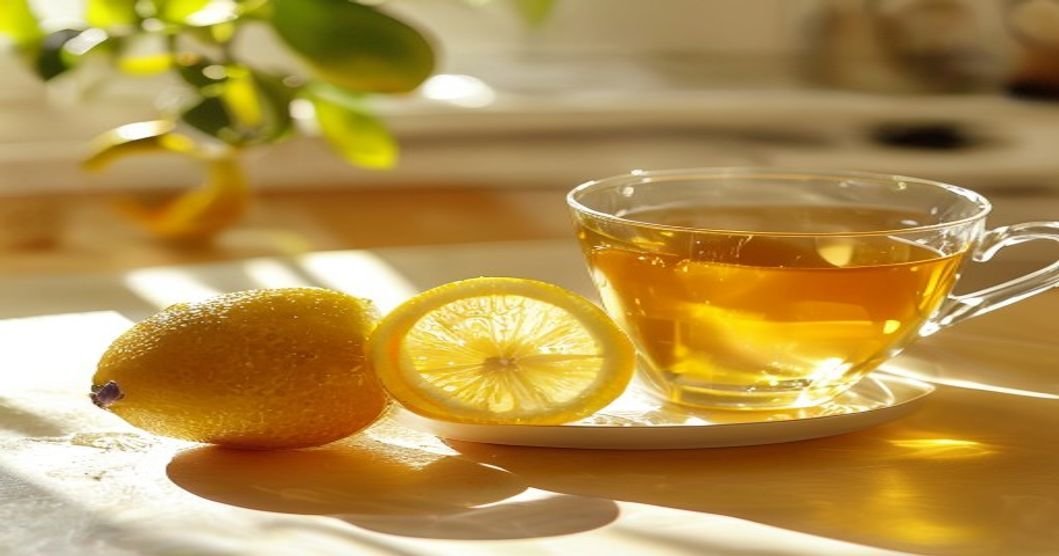
Dried lemon peel appears in our Lemon Dew Tea — a blend of West Garo Hills green tea with lemon peel and ginger — where it works alongside the ginger to create a layered citrus-warmth profile. The ginger provides the warmth that builds at the back of the palate; the lemon peel provides the brightness at the front. The green tea base provides continuity. Together, the three create a cup that functions as both a morning starter and an afternoon refresher, depending on how you brew it and what you are asking of it.

Posted on Leave a comment

Black Pepper in Tea: The Spice That Opens Everything Up

Black Pepper In Tea — Black Pepper in Tea: The Spice That Opens Everything Up — is one of the topics we explore on The Tea Story blog, drawing on our direct experience growing, processing, and tasting tea from our own garden in West Garo Hills, Meghalaya.

Black pepper — Piper nigrum — has been cultivated in India for at least four thousand years and traded globally for at least two thousand. It was, at various points in history, literally used as currency (the Romans paid tributes in peppercorns; “pepper rent” was a form of payment in medieval Europe). The European obsession with finding a sea route to India was driven partly by the desire for direct access to pepper without paying the Arab trading intermediaries who controlled the overland route. The spice trade that built Lisbon and Amsterdam ran partly on black pepper.

All of this history is interesting context for a spice that now costs almost nothing per gram. What makes it interesting in tea is not its history but a specific pharmacological property of its primary active compound.

Piperine: The Absorption Enhancer

Piperine — the alkaloid responsible for black pepper’s heat — is one of the more surprising compounds in the kitchen spice rack. It has been shown in pharmacological research to significantly increase the bioavailability of other compounds consumed at the same time. The most studied example is curcumin (from turmeric), whose absorption increases by up to 2,000% when taken with piperine. But the effect extends to a range of other polyphenols, nutrients, and compounds.

The implication for tea: if you drink green tea for its catechin content (including EGCG) and add a small amount of black pepper to the same cup, you may be enhancing the absorption of compounds that the tea provides. The research on this specific combination is less robust than the curcumin-piperine research, but the mechanism is the same.

Grandmothers across India who added black pepper to chai were doing something pharmacologically interesting long before any researcher wrote a paper about it. The folk knowledge preceded the mechanism by several thousand years.

Black Pepper in Masala Chai

In traditional masala chai — the spiced milk tea of the Indian subcontinent — black pepper is one of the standard components alongside cardamom, ginger, cinnamon, and clove. The proportions vary by household and region, but pepper is typically present as a background warmth and aromatic note rather than as the dominant spice (which is usually cardamom or ginger).

The pepper’s heat in chai is different from ginger’s heat. Ginger produces a spreading internal warmth through blood vessel dilation. Black pepper produces a sharper, more localised, front-of-palate heat through direct capsaicin-like receptor activation. Together, they cover a wider spectrum of the warmth experience than either alone.

How Much to Use

Black pepper in tea should be measured conservatively. Two or three whole peppercorns cracked or lightly crushed per cup is sufficient to contribute warmth and the absorption-enhancing effect without overwhelming the other flavours in the cup. Freshly cracked pepper is significantly more aromatic than pre-ground, because the volatile terpene compounds in the peppercorn begin to oxidise and dissipate once the surface is broken. If you keep whole peppercorns and crack them as needed, the difference in aroma is noticeable.

In our blends that include black pepper, we use cracked pepper in proportions calibrated to contribute warmth without dominating the cup — background heat rather than foreground spice.

Posted on Leave a comment

Best Tea for Weight Management: What the Research Says and What It Does Not

Best Tea For Weight — Best Tea for Weight Management: What the Research Says and What It Does Not — is one of the topics we explore on The Tea Story blog, drawing on our direct experience growing, processing, and tasting tea from our own garden in West Garo Hills, Meghalaya.

The green tea weight loss claim is real, commercially overblown, and widely misunderstood simultaneously. Parsing these three things separately is the most useful thing this article can do.

The Real Mechanism

Green tea contains two compounds that work together on metabolic function: EGCG (epigallocatechin gallate), the primary catechin antioxidant, and caffeine. The combination has a measurable thermogenic effect — it increases the rate at which the body burns energy slightly above the baseline. It also has a documented effect on fat oxidation: several studies have found that green tea extract increases the percentage of energy derived from fat burning, both at rest and during exercise.

These are real mechanisms, backed by genuine research. A meta-analysis published in the International Journal of Obesity found a statistically significant effect of green tea catechins on weight loss in clinical trials. The mean effect across the pooled trials was approximately 1.2 kilograms over twelve weeks of supplementation. Meaningful. Modest. Consistently positive in direction.

Green tea will not make you thin. It will, with regular daily consumption over months, contribute a small thermogenic and fat-oxidation effect that is real, measurable, and modest. This is exactly as useful as it sounds — and more useful than no effect at all.

The Context That Most Marketing Ignores

The effect of green tea on weight is additive to, not independent of, diet and exercise. Studies that found meaningful effects were in populations who also made other lifestyle changes. Studies using green tea alone as the only intervention showed smaller effects. The tea does not compensate for high caloric intake. It contributes a marginal thermogenic boost that has meaning within a healthy overall pattern of eating and movement.

The caffeine component matters: decaffeinated green tea shows weaker effects than regular green tea, suggesting that the caffeine-catechin combination is more effective than catechins alone. Our teas are not decaffeinated; they retain the naturally-occurring caffeine at the levels found in whole-leaf green tea (lower than coffee, approximately 25-35mg per cup versus 80-100mg for filter coffee).

How to Use Green Tea If Weight Management Is a Goal

Two to three cups per day of whole-leaf green tea, brewed at 80°C for two to three minutes, provides a reasonable dose of EGCG and caffeine. Consistency over time — not short-term high doses — is what the research supports. Our Premium Green Tea from West Garo Hills, or any of our whole-leaf green varieties, provides the whole-leaf catechin profile that the research uses. Brewing at the right temperature preserves more EGCG than boiling water. Re-brewing with slightly hotter water and longer steep time extracts more of the remaining catechins in subsequent steeps.

Posted on Leave a comment

Best Tea for Immunity in India: What Green Tea Does and What It Does Not

Best Tea For Immunity — Best Tea for Immunity in India: What Green Tea Does and What It Does Not — is one of the topics we explore on The Tea Story blog, drawing on our direct experience growing, processing, and tasting tea from our own garden in West Garo Hills, Meghalaya.

The immunity claim for green tea is one of the most repeated in the wellness food space, and it is one of the most genuinely supported by research — with important caveats about what “supported by research” means in practice. This article explains the actual mechanism, the realistic magnitude of effect, and what it means for how you choose and brew your tea.

The Compound Behind the Claim: EGCG

Epigallocatechin gallate — EGCG — is the primary catechin in green tea and the compound most studied for health effects. It is a polyphenol antioxidant: a molecule that neutralises reactive oxygen species (free radicals) in biological tissue, reducing oxidative stress. Oxidative stress is implicated in a very wide range of adverse health outcomes, including chronic inflammation, cellular damage associated with ageing, and the kind of immune dysregulation that leaves the body less capable of managing infection.

EGCG has been shown in laboratory studies to inhibit the replication of certain viruses and bacteria, to modulate inflammatory signalling pathways, and to support the function of certain immune cell populations. These are real effects, documented in credible peer-reviewed literature. The caveat is that most of the dramatic results come from in-vitro studies (cells in laboratory conditions) or animal models, and the translation to human health at the doses available from drinking two or three cups of tea per day is substantially more modest.

Drinking green tea will not prevent you from getting ill. It is not a vaccine or a pharmaceutical. What the evidence supports is a consistently modest but real contribution to the conditions under which immune function operates optimally.

Why Whole-Leaf Matters for Health Benefits

EGCG concentration varies significantly by processing method and leaf grade. Whole-leaf green tea from orthodox processing retains more of the intact polyphenol structure than broken-leaf grades or tea bags, where the increased surface area and faster oxidation during processing degrade some of the EGCG before the tea ever reaches you.

Temperature at brewing also matters: water above 85°C begins to degrade catechins more rapidly than cooler temperatures. This is one of the reasons green tea is typically recommended at 75–85°C rather than a full rolling boil. For immunity-focused consumption, brewing at the right temperature preserves more of the compounds you are drinking the tea for.

Frequency Over Quantity

The research on green tea and health outcomes generally supports regular consumption over time rather than high doses in the short term. Two to three cups per day, brewed at 80°C for two to three minutes from whole-leaf tea, represents the kind of consistent, moderate intake that the positive studies typically involve. This is not a dramatic regimen. It is a sustainable habit — which is the only kind of health practice that actually works.

Our green teas from West Garo Hills — particularly the Premium Green Tea and the Orange Dew Tea — are whole-leaf orthodox teas with the cell structure intact and the EGCG concentration that whole-leaf processing preserves. They are grown in conditions that favour EGCG development: moderate altitude, cloud cover, and low-stress soil nutrition. Brewing them at 80°C for two minutes gives you a cup that is genuinely pleasant to drink and that delivers whatever EGCG the leaf contains in the most effective form.