
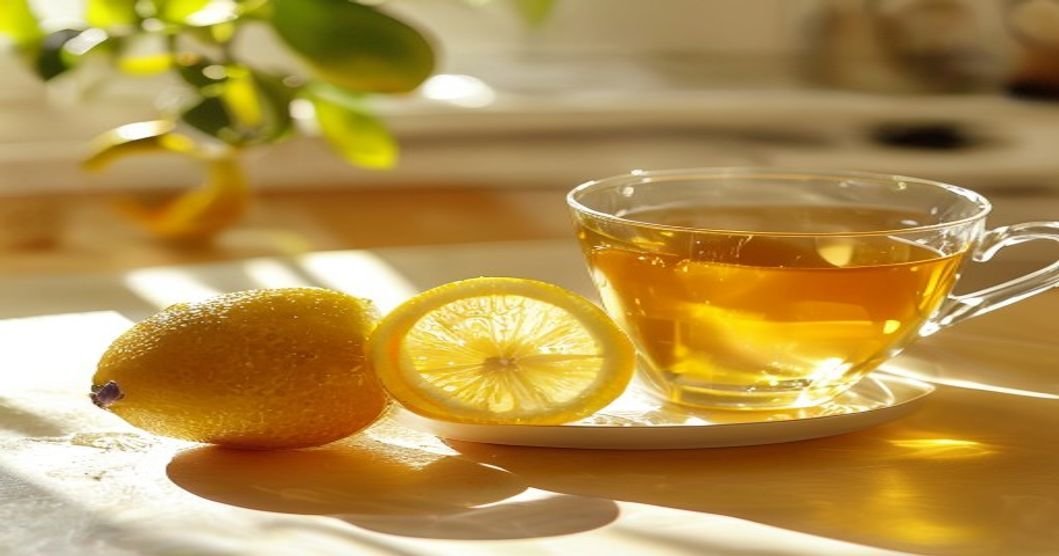
Lemon Peel In Tea — Lemon Peel in Tea: The Zest That Does More Than You Think — is one of the topics we explore on The Tea Story blog, drawing on our direct experience growing, processing, and tasting tea from our own garden in West Garo Hills, Meghalaya.
There is a distinction that most tea drinkers have not consciously made: the juice of a lemon and the peel of a lemon are fundamentally different ingredients in tea. The juice adds acidity — tartness, a brightening effect, and the colour change in certain anthocyanin-containing teas. The peel adds aroma: the essential oils in lemon zest are a complex mix of terpene compounds (primarily limonene, but also linalool, geranial, and neral) that together produce the “lemon” smell that the juice itself contributes very little of.
This distinction matters in tea because the two applications do different things. Lemon juice adjusts flavour. Lemon peel — dried, grated, or as thin strips of zest — perfumes the tea in a way that changes the entire aromatic experience of the cup.
Why Dried Peel Works in Blends
Fresh lemon peel releases its aromatics quickly and at high intensity. Dried lemon peel, which has had its moisture removed while retaining most of its essential oil content, releases aromatics more slowly during brewing — giving a sustained, integrated citrus note rather than a quick bright burst that fades. This is why dried citrus peel is used in tea blends rather than fresh: the dried form provides consistent, measurable aromatic contribution per gram, and it does so over the full brewing period rather than in the first thirty seconds.
In combination with green tea — which has its own gentle, vegetal sweetness — dried lemon peel creates a cup that is simultaneously bright and rounded. The citrus top note prevents the tea from tasting flat or one-dimensional. The tea’s natural sweetness and body prevent the lemon from making the cup feel thin or acidic. The combination is more satisfying than either component alone.
Lemon peel in tea is not lemon tea. Lemon tea is acid in tea — sharp, clarifying, suitable for heavy black tea. Lemon peel tea is a flavour conversation between citrus and leaf that produces something entirely its own.
Vitamin C and the Heat Question
Lemon peel contains vitamin C, as does lemon juice — but vitamin C is heat-sensitive and degrades significantly in boiling water. If your primary motivation for adding lemon to tea is vitamin C, adding it after the tea has cooled slightly (below 60°C) preserves more of the vitamin than adding it to boiling water. For flavour purposes, the temperature of addition makes less difference to the aroma compounds in the peel than it does to the vitamin content.
In Our Teas
Dried lemon peel appears in our Lemon Dew Tea — a blend of West Garo Hills green tea with lemon peel and ginger — where it works alongside the ginger to create a layered citrus-warmth profile. The ginger provides the warmth that builds at the back of the palate; the lemon peel provides the brightness at the front. The green tea base provides continuity. Together, the three create a cup that functions as both a morning starter and an afternoon refresher, depending on how you brew it and what you are asking of it.