
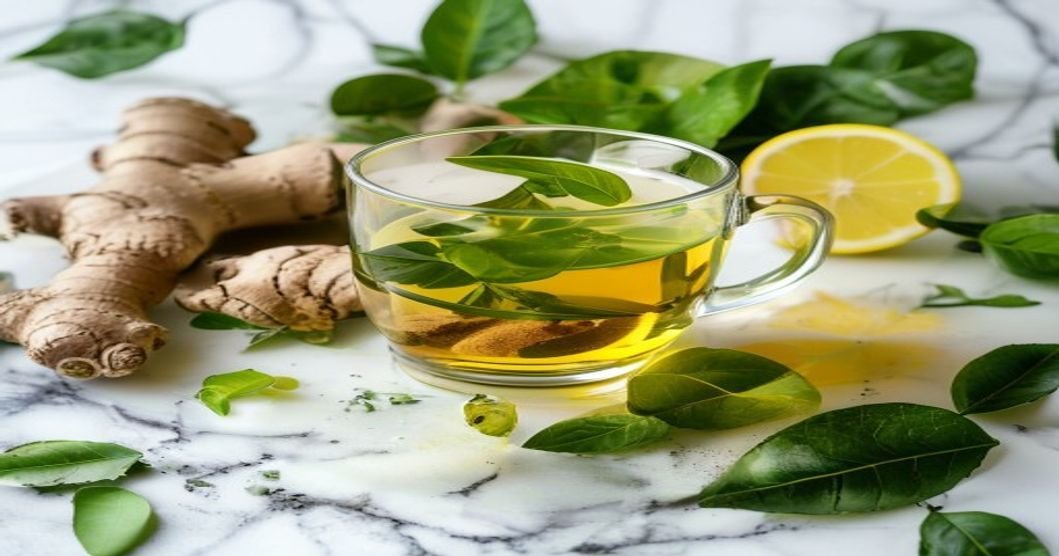
Best Tea For Immunity — Best Tea for Immunity in India: What Green Tea Does and What It Does Not — is one of the topics we explore on The Tea Story blog, drawing on our direct experience growing, processing, and tasting tea from our own garden in West Garo Hills, Meghalaya.
The immunity claim for green tea is one of the most repeated in the wellness food space, and it is one of the most genuinely supported by research — with important caveats about what “supported by research” means in practice. This article explains the actual mechanism, the realistic magnitude of effect, and what it means for how you choose and brew your tea.
The Compound Behind the Claim: EGCG
Epigallocatechin gallate — EGCG — is the primary catechin in green tea and the compound most studied for health effects. It is a polyphenol antioxidant: a molecule that neutralises reactive oxygen species (free radicals) in biological tissue, reducing oxidative stress. Oxidative stress is implicated in a very wide range of adverse health outcomes, including chronic inflammation, cellular damage associated with ageing, and the kind of immune dysregulation that leaves the body less capable of managing infection.
EGCG has been shown in laboratory studies to inhibit the replication of certain viruses and bacteria, to modulate inflammatory signalling pathways, and to support the function of certain immune cell populations. These are real effects, documented in credible peer-reviewed literature. The caveat is that most of the dramatic results come from in-vitro studies (cells in laboratory conditions) or animal models, and the translation to human health at the doses available from drinking two or three cups of tea per day is substantially more modest.
Drinking green tea will not prevent you from getting ill. It is not a vaccine or a pharmaceutical. What the evidence supports is a consistently modest but real contribution to the conditions under which immune function operates optimally.
Why Whole-Leaf Matters for Health Benefits
EGCG concentration varies significantly by processing method and leaf grade. Whole-leaf green tea from orthodox processing retains more of the intact polyphenol structure than broken-leaf grades or tea bags, where the increased surface area and faster oxidation during processing degrade some of the EGCG before the tea ever reaches you.
Temperature at brewing also matters: water above 85°C begins to degrade catechins more rapidly than cooler temperatures. This is one of the reasons green tea is typically recommended at 75–85°C rather than a full rolling boil. For immunity-focused consumption, brewing at the right temperature preserves more of the compounds you are drinking the tea for.
Frequency Over Quantity
The research on green tea and health outcomes generally supports regular consumption over time rather than high doses in the short term. Two to three cups per day, brewed at 80°C for two to three minutes from whole-leaf tea, represents the kind of consistent, moderate intake that the positive studies typically involve. This is not a dramatic regimen. It is a sustainable habit — which is the only kind of health practice that actually works.
Our green teas from West Garo Hills — particularly the Premium Green Tea and the Orange Dew Tea — are whole-leaf orthodox teas with the cell structure intact and the EGCG concentration that whole-leaf processing preserves. They are grown in conditions that favour EGCG development: moderate altitude, cloud cover, and low-stress soil nutrition. Brewing them at 80°C for two minutes gives you a cup that is genuinely pleasant to drink and that delivers whatever EGCG the leaf contains in the most effective form.