
Posted on Leave a comment

Tea for Inflammation: How Green Tea, Ginger, and Black Pepper Address Chronic Inflammatory Conditions

Tea Inflammation Arthritis Joint Pain — How green tea EGCG and ginger gingerol address chronic inflammation — mechanism, clinical evidence, and which teas help with arthritis and joint pain.

Tea Inflammation Arthritis Joint Pain: What You Need to Know

For further research, see EGCG anti-inflammatory mechanism research.

⚠ Medical Disclaimer: This article is for informational purposes only. Tea is a complement to a healthy lifestyle — not a treatment or cure for any medical condition. Always consult a qualified doctor or healthcare provider before making changes to manage any health condition. Do not replace prescribed medication with tea or any other food supplement.

Chronic inflammation is now understood to be a root driver of most non-communicable diseases — not just arthritis, but heart disease, Type 2 diabetes, Alzheimer’s disease, and certain cancers. The inflammatory process involves a complex cascade of cellular signalling, and several compounds in tea interrupt this cascade at specific molecular checkpoints.

EGCG and NF-κB inhibition

NF-κB (nuclear factor kappa-light-chain-enhancer of activated B cells) is often called the “master switch” of inflammation — it controls the transcription of dozens of pro-inflammatory genes. When NF-κB is chronically activated, the body produces continuous low-grade inflammation that damages tissues and organs over years. EGCG is one of the most potent natural inhibitors of NF-κB identified, inhibiting its activation through multiple pathways including direct binding to the IκB kinase complex.

A 2010 study in Arthritis Research & Therapy found that EGCG blocked the production of several inflammatory mediators in rheumatoid arthritis cells — including interleukin-1 (IL-1), TNF-alpha, and matrix metalloproteinases (enzymes that destroy joint cartilage). The study authors concluded that EGCG could be “a useful complementary agent” in rheumatoid arthritis management.

Ginger and COX inhibition

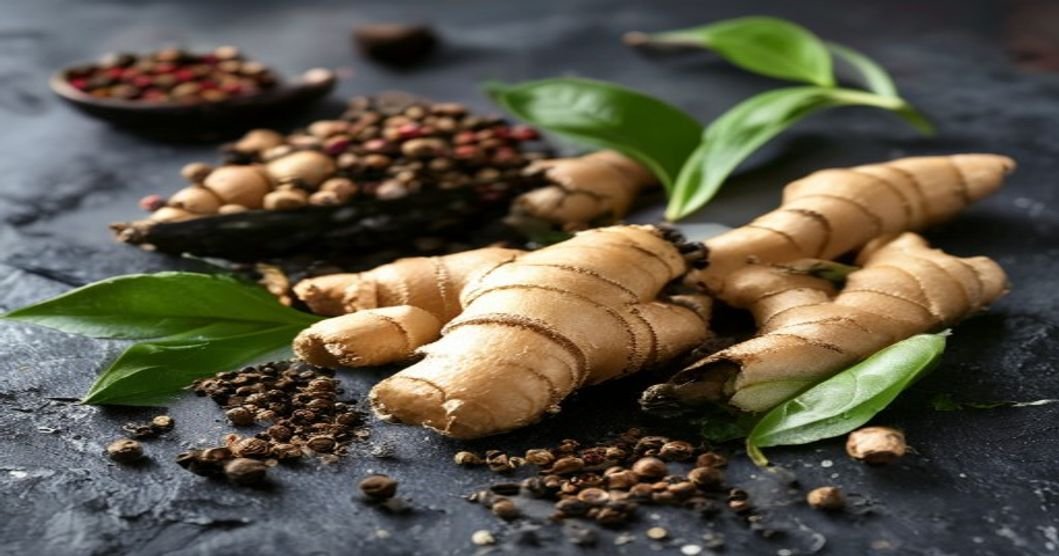
The primary mechanism of NSAIDs (aspirin, ibuprofen, naproxen) is cyclooxygenase (COX) inhibition — blocking the enzymes that convert arachidonic acid into prostaglandins, the primary inflammatory mediators in joints. Gingerols and shogaols in ginger have documented COX-1 and COX-2 inhibitory activity. A 2015 meta-analysis in Osteoarthritis and Cartilage found that ginger supplementation significantly reduced pain and disability in knee osteoarthritis compared to placebo, with effect sizes comparable to low-dose NSAIDs.

Unlike NSAIDs, ginger does not damage the stomach lining — it actually protects it. This is a significant practical advantage for people with arthritis who have been using NSAIDs for years.

Black pepper and bioavailability

Piperine — the active compound in black pepper — is a potent inhibitor of its own right (inhibiting TNF-alpha and IL-6 production), but its most significant role is as a bioavailability enhancer. Piperine inhibits intestinal glucuronidation — the process by which the gut metabolises and deactivates compounds before they reach the bloodstream. Adding piperine increases the bioavailability of curcumin by 2,000%, of EGCG by approximately 20-30%, and of multiple other polyphenols. A ginger-and-black-pepper tea combination is therefore not merely additive — piperine enhances the absorption of ginger’s active compounds as well as any simultaneously consumed EGCG.

How much and how

For active joint inflammation: ginger tea 2-3 times daily provides the most direct anti-inflammatory effect. For systemic inflammation reduction over time: green tea 3-4 cups daily. The combination of a morning green tea and a mid-day or post-meal ginger tea addresses both acute and systemic pathways.

Teas to try from Tea Story: Premium Green Tea (NF-κB inhibition), Ginger Tea (COX inhibition, prostaglandin reduction), Ginger Tea with Black Pepper or add a pinch of black pepper to your ginger tea brew (piperine bioavailability amplification).
Posted on Leave a comment

Tea for PCOS: The Evidence on Spearmint, Green Tea, and Androgen Reduction

Tea Pcos Hormonal Balance — The evidence on tea for PCOS — spearmint's anti-androgenic effects, green tea EGCG and insulin sensitivity, and what the clinical trials show.

Tea Pcos Hormonal Balance: What You Need to Know

For further research, see spearmint androgen reduction research.

⚠ Medical Disclaimer: This article is for informational purposes only. Tea is a complement to a healthy lifestyle — not a treatment or cure for any medical condition. Always consult a qualified doctor or healthcare provider before making changes to manage any health condition. Do not replace prescribed medication with tea or any other food supplement.

Polycystic ovary syndrome (PCOS) is the most common endocrine disorder in women of reproductive age, estimated to affect 15-20% of Indian women. The condition is characterised by elevated androgens (male hormones), insulin resistance, irregular periods, and ovarian cysts. Its management is complex, typically involving multiple interventions including diet, exercise, and sometimes medication.

Spearmint tea and androgen reduction

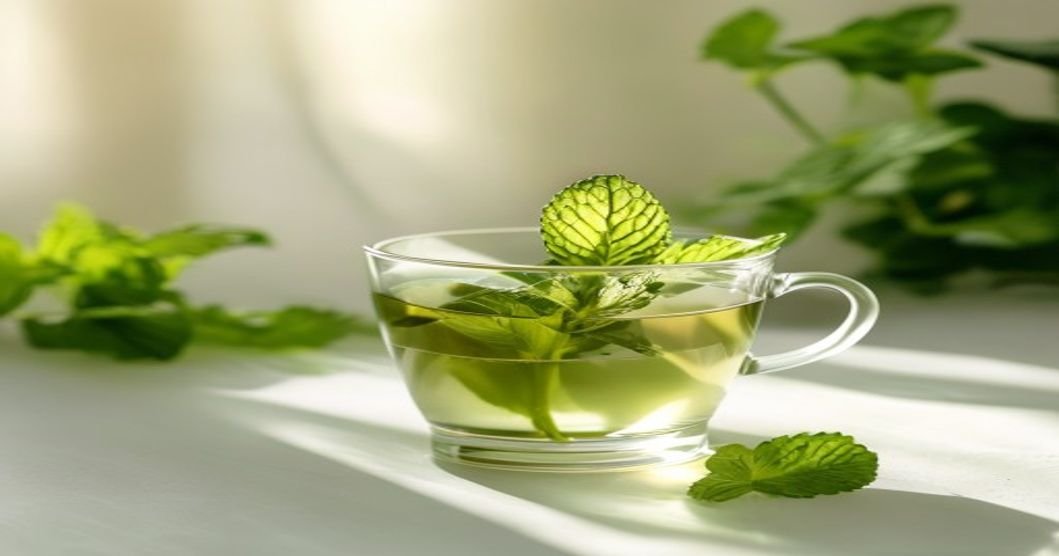
The spearmint (Mentha spicata) evidence is unusually specific and well-replicated for a herbal intervention. A 2010 randomised controlled trial published in Phytotherapy Research — specifically studying women with PCOS — found that drinking 2 cups of spearmint tea daily for 30 days significantly reduced free testosterone and total testosterone levels, and increased luteinising hormone (LH) and follicle-stimulating hormone (FSH) ratios. Participants also reported reduced hirsutism (excess facial and body hair) severity.

This followed an earlier pilot study by the same research group (Grant, 2010) that found significant reductions in free testosterone after just 5 days of spearmint tea consumption. The mechanism appears to be antiandrogenic — spearmint compounds (rosmarinic acid and others) interfere with the binding of androgens to their receptors and may also reduce androgen production in the ovaries and adrenal glands.

This is one of the most clinically specific tea benefits documented in the research literature. Spearmint tea is not peppermint tea — they are different plants with different active compounds, and only spearmint has the published androgen-reducing evidence.

Green tea and insulin resistance in PCOS

Insulin resistance is present in approximately 70% of women with PCOS, regardless of body weight, and it is understood to be both a cause and a consequence of elevated androgens — insulin stimulates ovarian androgen production. Managing insulin resistance is therefore central to PCOS management.

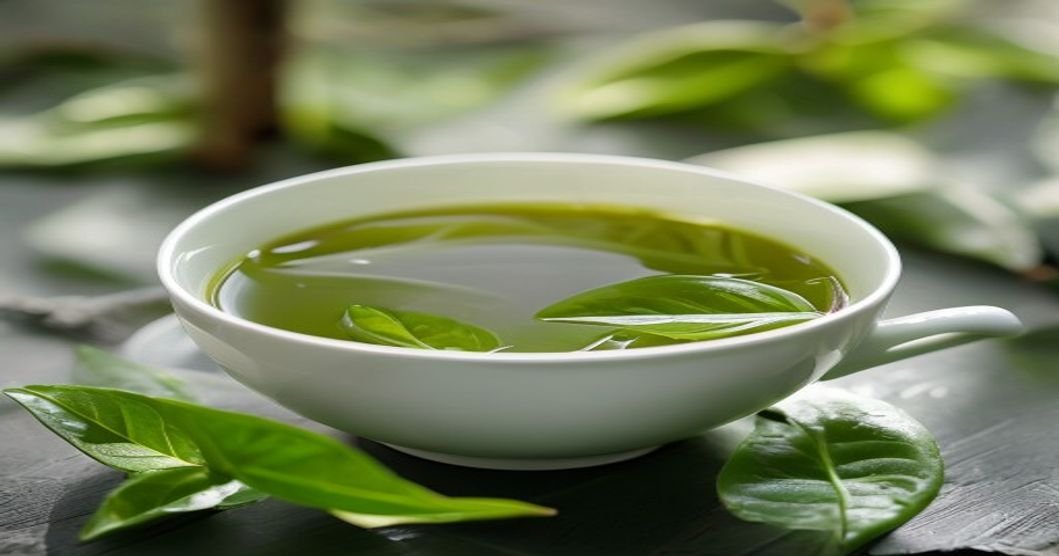
A 2017 randomised controlled trial published in Gynecological Endocrinology found that 12 weeks of green tea supplementation in overweight women with PCOS significantly reduced fasting insulin, HOMA-IR (insulin resistance index), free testosterone, and BMI compared to placebo. The study attributed the benefits primarily to EGCG’s insulin-sensitising effects.

How much and how

For androgen reduction: 2 cups of spearmint tea daily, consistently for at least 30 days before expecting measurable change. For insulin resistance: 3 cups of green tea daily, unsweetened. These can be combined — spearmint tea in the morning, green tea after meals.

Teas to try from Tea Story: Mint Tea (check whether spearmint or peppermint — ask the product team; spearmint is specifically needed for the androgen effect) and Premium Green Tea for insulin resistance management. Both without sugar.

Posted on Leave a comment

Tea and Thyroid Health: What to Drink, What to Limit, and Why the Timing of Your Tea Matters

Tea Thyroid Health Hypothyroidism — A research-backed guide to tea and thyroid health — which teas support thyroid function, which to limit with hypothyroidism, and the timing that matters.

Tea Thyroid Health Hypothyroidism: What You Need to Know

For further research, see green tea thyroid research.

⚠ Medical Disclaimer: This article is for informational purposes only. Tea is a complement to a healthy lifestyle — not a treatment or cure for any medical condition. Always consult a qualified doctor or healthcare provider before making changes to manage any health condition. Do not replace prescribed medication with tea or any other food supplement.

Thyroid disorders — particularly hypothyroidism (underactive thyroid) — are among India’s most common endocrine conditions. A 2013 epidemiological study estimated that 10.95% of Indians have thyroid disorders, with hypothyroidism (including subclinical cases) being the most prevalent. The thyroid gland regulates metabolism, energy, heart rate, body temperature, and numerous other functions, making its health central to overall wellbeing.

The relationship between tea and thyroid health is nuanced — there are both potential benefits and specific risks depending on the type of tea, quantity, timing, and individual circumstances.

The fluoride concern: a real but manageable issue

The most important thyroid-related consideration for tea drinkers is fluoride content. Fluoride (as fluoride ion) is a goitrogen — a substance that interferes with thyroid iodine uptake and can suppress thyroid function with chronic high exposure. The tea plant (Camellia sinensis) naturally accumulates fluoride from soil, and older, lower-quality tea leaves — particularly dust and fannings used in tea bags — can contain significantly higher fluoride concentrations than young, fresh whole leaves.

A 2021 review in Critical Reviews in Food Science and Nutrition found that high-volume consumption of low-quality tea (particularly brick tea and cheap tea bag products) was associated with fluorosis in multiple populations. However, high-quality whole-leaf green and white teas made from young leaves (first and second flush) have substantially lower fluoride content than mature leaf products, because fluoride concentration increases with leaf age.

Practical guidance: For people with hypothyroidism or those on thyroxine medication, choose young-leaf whole-leaf tea (first flush green tea) rather than tea bags made from older leaves. Limit total tea consumption to 3-4 cups daily. Do not drink tea within 30-60 minutes of taking thyroxine (levothyroxine) — tea tannins can reduce its absorption.

Positive effects: antioxidant protection of thyroid tissue

Hashimoto’s thyroiditis — the most common cause of hypothyroidism in India — is an autoimmune condition in which the immune system attacks thyroid tissue. Oxidative stress plays a significant role in both initiating and maintaining this autoimmune damage. EGCG’s antioxidant effects may provide some degree of protection against oxidative damage to thyroid tissue, though human clinical trials specifically in Hashimoto’s are limited.

Ginger and thyroid

A 2022 animal study found that ginger extract improved thyroid function markers in hypothyroid rats, potentially through anti-inflammatory effects on thyroid tissue. Human data is limited, but ginger is safe for people with thyroid conditions and provides anti-inflammatory benefits without the fluoride concern.

Key practical rules for tea and thyroid

Always take thyroid medication (levothyroxine) first thing in the morning on an empty stomach, waiting at least 30-60 minutes before drinking tea. Choose whole-leaf, young-flush teas over tea bags. Limit total daily tea to 3-4 cups. Consult your endocrinologist if you are on thyroid medication before making significant changes to tea habits.

Teas to try from Tea Story: Premium Green Tea (young first-flush whole leaves — lower fluoride than aged leaf products) and Ginger Tea (anti-inflammatory, no fluoride concern). Both are whole-leaf products from fresh harvests.

Posted on Leave a comment

Green Tea and Your Eyes: How EGCG Reaches Ocular Tissue and What It Does There

Tea Eye Health Macular Degeneration — How green tea EGCG reaches ocular tissue — the research on macular degeneration, glaucoma prevention, and eye health benefits of daily green tea.

Tea Eye Health Macular Degeneration: What You Need to Know

For further research, see EGCG ocular tissue research.

⚠ Medical Disclaimer: This article is for informational purposes only. Tea is a complement to a healthy lifestyle — not a treatment or cure for any medical condition. Always consult a qualified doctor or healthcare provider before making changes to manage any health condition. Do not replace prescribed medication with tea or any other food supplement.

Age-related macular degeneration (AMD) is the leading cause of vision loss in people over 50, and glaucoma — characterised by elevated intraocular pressure damaging the optic nerve — affects an estimated 12 million Indians. Both conditions involve significant oxidative stress components, making the antioxidant properties of tea directly relevant.

EGCG penetrates ocular tissue

A critical question for any potential dietary intervention for eye health is whether the active compounds actually reach the eye. A landmark 2010 study published in the Journal of Agricultural and Food Chemistry provided direct evidence: researchers fed rats green tea and measured catechin levels in different eye tissues 0.5-20 hours later. They found that EGCG and other catechins were detected in the retina, vitreous humour, aqueous humour, lens, and choroid — with the retina showing the highest absorption. This established that orally consumed green tea catechins do reach ocular tissue at biologically meaningful concentrations.

EGCG and retinal protection

The retina is one of the highest oxygen-consuming tissues in the body, making it particularly vulnerable to oxidative stress. A 2010 study in Chemical-Biological Interactions found that EGCG protected retinal ganglion cells (the neurons that transmit visual information to the brain) from oxidative damage, significantly reducing cell death in a hydrogen peroxide stress model. Retinal ganglion cell death is the primary mechanism of vision loss in glaucoma.

A 2012 epidemiological study found that regular green tea consumption was associated with a significantly lower prevalence of glaucoma in a population-based study of over 10,000 adults.

AMD and antioxidant protection

AMD involves the progressive destruction of the macula — the central area of the retina responsible for sharp, detailed vision — driven by oxidative damage to retinal pigment epithelial cells. The Age-Related Eye Disease Study (AREDS) established that antioxidant supplementation (vitamins C, E, zinc, and lutein) slows AMD progression. Tea catechins, with their exceptional antioxidant capacity, complement this antioxidant protective strategy. The specific penetration of EGCG into retinal tissue (demonstrated in the 2010 study) suggests it may provide protection specifically at the site of AMD damage.

Digital eye strain: a modern concern

Blue light emitted by digital screens produces a specific form of oxidative stress in photoreceptor cells called blue-light-induced retinal phototoxicity. A 2017 study found that EGCG significantly protected photoreceptor cells from blue-light-induced damage — a finding with practical relevance for the majority of Indian professionals spending 8+ hours daily in front of screens.

Teas to try from Tea Story: Premium Green Tea — the documented ocular benefits are specifically attributable to green tea catechins, particularly EGCG. 2-3 cups daily provides meaningful retinal antioxidant coverage. Whole-leaf is preferred as it provides catechins in their native matrix.

Posted on Leave a comment

Tea and Bone Density: The Research on Green Tea, Osteoblasts, and Osteoporosis Prevention

Tea Bone Density Osteoporosis — The research on green tea and bone density — how EGCG stimulates osteoblasts, reduces bone resorption, and what it means for osteoporosis prevention.

Tea Bone Density Osteoporosis: What You Need to Know

For further research, see tea and bone density research.

⚠ Medical Disclaimer: This article is for informational purposes only. Tea is a complement to a healthy lifestyle — not a treatment or cure for any medical condition. Always consult a qualified doctor or healthcare provider before making changes to manage any health condition. Do not replace prescribed medication with tea or any other food supplement.

Osteoporosis — the progressive loss of bone density that leads to increased fracture risk — is a significant and often underappreciated public health burden in India. An estimated 50 million Indians are affected, with women being at particular risk post-menopause due to oestrogen loss (oestrogen plays a key role in maintaining bone density). Hip fractures from osteoporosis-related falls carry a mortality rate of up to 30% in the year following injury.

Tea drinkers have higher bone mineral density

The epidemiological evidence is consistent: regular tea drinkers have higher bone mineral density (BMD) than non-tea drinkers. A 2002 cross-sectional study in the American Journal of Clinical Nutrition of 1,256 older women found that long-term tea drinkers had significantly higher BMD at the spine and hip compared to non-drinkers, after adjusting for confounders including calcium intake, physical activity, and smoking. A 2009 review of multiple population studies confirmed this association.

The cellular mechanism: osteoblasts and osteoclasts

Bone is continuously remodelled through a balance between two cell types: osteoblasts (which form new bone) and osteoclasts (which break down old bone). Osteoporosis occurs when osteoclast activity exceeds osteoblast activity — the balance shifts toward net bone loss.

EGCG acts on both sides of this balance. A 2011 study in the Journal of Nutritional Biochemistry found that EGCG significantly stimulated osteoblast differentiation and mineralisation (bone formation), while simultaneously inhibiting osteoclastogenesis (the development of bone-destroying osteoclasts). The mechanism involves EGCG’s stimulation of the Wnt/beta-catenin signalling pathway — the primary cellular pathway driving osteoblast activity — and inhibition of RANKL-mediated osteoclast formation.

Fluoride and the bone complexity

An important nuance: while tea’s polyphenols support bone health, the fluoride content of tea (discussed in the thyroid article) is also relevant for bones. Moderate fluoride exposure (1-4mg/day) actually strengthens bone mineral density. High exposure (above 8mg/day chronically) causes skeletal fluorosis — abnormally dense but brittle bone. The 2-4 cups of whole-leaf green tea per day referenced in the BMD studies is well within the safe range.

How much and how

The BMD associations were found with habitual consumption of 3+ cups per day over many years. This is a long-term protective effect, not a short-term intervention. For post-menopausal women at risk of osteoporosis, regular green tea consumption is a safe, evidence-supported complement to calcium, Vitamin D, and weight-bearing exercise.

Teas to try from Tea Story: Premium Green Tea for EGCG-mediated osteoblast stimulation and osteoclast inhibition. Black Orthodox Tea — the same bone density associations have been observed with black tea in some studies, likely through different polyphenol mechanisms.