Tea Pcos Hormonal Balance — The evidence on tea for PCOS — spearmint's anti-androgenic effects, green tea EGCG and insulin sensitivity, and what the clinical trials show.
Tea Pcos Hormonal Balance: What You Need to Know
For further research, see spearmint androgen reduction research.
⚠ Medical Disclaimer: This article is for informational purposes only. Tea is a complement to a healthy lifestyle — not a treatment or cure for any medical condition. Always consult a qualified doctor or healthcare provider before making changes to manage any health condition. Do not replace prescribed medication with tea or any other food supplement.
Polycystic ovary syndrome (PCOS) is the most common endocrine disorder in women of reproductive age, estimated to affect 15-20% of Indian women. The condition is characterised by elevated androgens (male hormones), insulin resistance, irregular periods, and ovarian cysts. Its management is complex, typically involving multiple interventions including diet, exercise, and sometimes medication.
Spearmint tea and androgen reduction
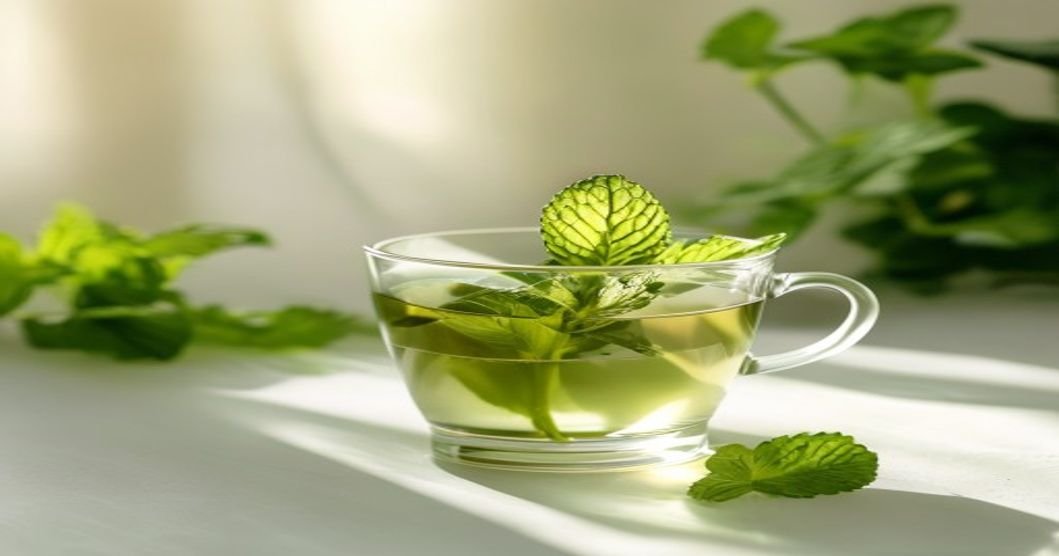
The spearmint (Mentha spicata) evidence is unusually specific and well-replicated for a herbal intervention. A 2010 randomised controlled trial published in Phytotherapy Research — specifically studying women with PCOS — found that drinking 2 cups of spearmint tea daily for 30 days significantly reduced free testosterone and total testosterone levels, and increased luteinising hormone (LH) and follicle-stimulating hormone (FSH) ratios. Participants also reported reduced hirsutism (excess facial and body hair) severity.
This followed an earlier pilot study by the same research group (Grant, 2010) that found significant reductions in free testosterone after just 5 days of spearmint tea consumption. The mechanism appears to be antiandrogenic — spearmint compounds (rosmarinic acid and others) interfere with the binding of androgens to their receptors and may also reduce androgen production in the ovaries and adrenal glands.
This is one of the most clinically specific tea benefits documented in the research literature. Spearmint tea is not peppermint tea — they are different plants with different active compounds, and only spearmint has the published androgen-reducing evidence.
Green tea and insulin resistance in PCOS
Insulin resistance is present in approximately 70% of women with PCOS, regardless of body weight, and it is understood to be both a cause and a consequence of elevated androgens — insulin stimulates ovarian androgen production. Managing insulin resistance is therefore central to PCOS management.
A 2017 randomised controlled trial published in Gynecological Endocrinology found that 12 weeks of green tea supplementation in overweight women with PCOS significantly reduced fasting insulin, HOMA-IR (insulin resistance index), free testosterone, and BMI compared to placebo. The study attributed the benefits primarily to EGCG’s insulin-sensitising effects.
How much and how
For androgen reduction: 2 cups of spearmint tea daily, consistently for at least 30 days before expecting measurable change. For insulin resistance: 3 cups of green tea daily, unsweetened. These can be combined — spearmint tea in the morning, green tea after meals.
Teas to try from Tea Story: Mint Tea (check whether spearmint or peppermint — ask the product team; spearmint is specifically needed for the androgen effect) and Premium Green Tea for insulin resistance management. Both without sugar.