Posted on Leave a comment

Tea for Respiratory Health: How Green Tea and Ginger Support Lung Function and Asthma Management

Tea Respiratory Health Asthma — How green tea and ginger support respiratory health — anti-inflammatory mechanisms, asthma management, and lung function research.

Tea Respiratory Health Asthma: What You Need to Know

For further research, see green tea anti-inflammatory respiratory research.

⚠ Medical Disclaimer: This article is for informational purposes only. Tea is a complement to a healthy lifestyle — not a treatment or cure for any medical condition. Always consult a qualified doctor or healthcare provider before making changes to manage any health condition. Do not replace prescribed medication with tea or any other food supplement.

India’s air quality crisis makes respiratory health a universal concern. The Global Burden of Disease study ranks air pollution as India’s largest environmental health risk factor, contributing to chronic obstructive pulmonary disease (COPD), reduced lung function, and exacerbated asthma across the population. Asthma alone affects approximately 30 million Indians, and this number is growing.

EGCG and pulmonary inflammation

A 2011 study in the European Respiratory Journal found that EGCG significantly reduced pulmonary inflammation in a mouse model of asthma — reducing airway hyperresponsiveness, eosinophil infiltration, and inflammatory cytokine levels. The mechanism is EGCG’s inhibition of NF-κB (the inflammatory master switch discussed in the arthritis article), which controls the production of pro-inflammatory mediators that drive airway inflammation.

A 2020 retrospective study in humans found that regular green tea consumption (3+ cups daily) was associated with significantly better lung function (measured by FEV1 — forced expiratory volume) compared to non-drinkers, after adjusting for smoking status and air quality exposure. Notably, the protective effect was largest in people living in high-pollution urban environments — exactly the population who most needs it.

Ginger and bronchial smooth muscle

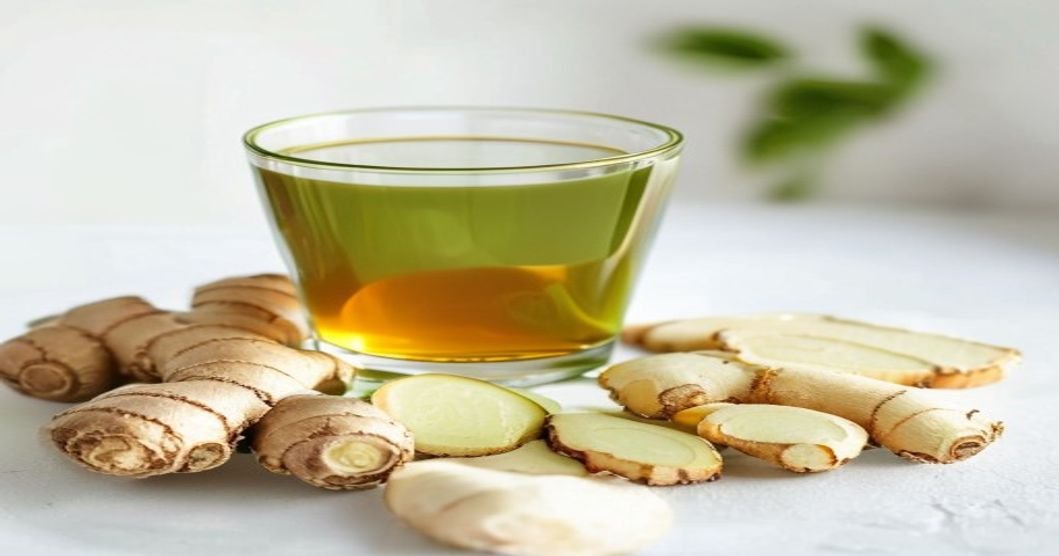
A 2014 study published in the American Journal of Respiratory Cell and Molecular Biology — specifically studying human airway smooth muscle cells — found that ginger compounds (6-gingerol, 8-gingerol, and 6-shogaol) produced direct bronchodilation, relaxing the smooth muscle that contracts during asthma attacks. The mechanism was through a phosphodiesterase inhibition pathway — the same mechanism as theophylline, a pharmaceutical bronchodilator used in asthma treatment. This is not a replacement for asthma medication but provides complementary support.

Menthol and breathing

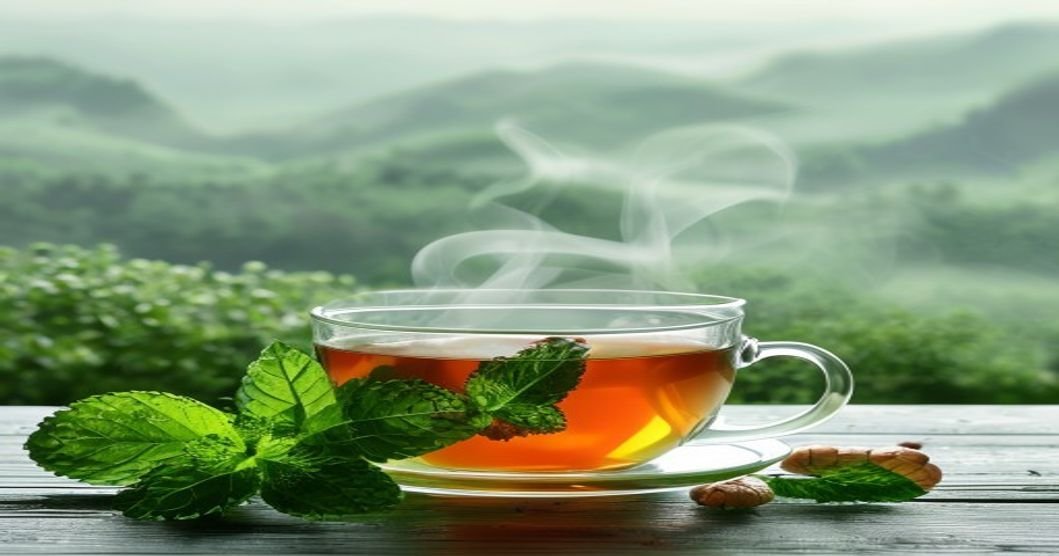
Menthol from peppermint activates TRPM8 receptors in the nasal and respiratory passages — the same “cold” receptors that make mint feel cool. This activation increases perceived airflow and reduces the sensation of breathlessness even when actual airflow is unchanged. Beyond this perceptual effect, menthol has genuine mild bronchodilatory properties and is an effective decongestant, reducing nasal passage inflammation and improving breathing quality during upper respiratory infections.

How much and how

For daily respiratory protection in a polluted environment: 3 cups of green tea daily provides sustained antioxidant protection for pulmonary tissue. For acute respiratory symptoms (congestion, mild bronchospasm): ginger tea with a few mint leaves provides bronchodilation and decongestant effects within 20-30 minutes.

Teas to try from Tea Story: Premium Green Tea (EGCG pulmonary protection, daily), Ginger Tea (bronchodilation support), Mint Tea (menthol decongestant and TRPM8 airway support).
Posted on Leave a comment

High Blood Pressure and Tea: What the Research Actually Shows

Tea Hypertension High Blood Pressure — A research-backed guide to tea and high blood pressure — which teas reduce hypertension, the mechanism, and what the clinical trials show.

Tea Hypertension High Blood Pressure: What You Need to Know

For further research, see hibiscus blood pressure clinical trials.

⚠ Medical Disclaimer: This article is for informational purposes only. Tea is a complement to a healthy lifestyle — not a treatment or cure for any medical condition. Always consult a qualified doctor or healthcare provider before making changes to manage any health condition. Do not replace prescribed medication with tea or any other food supplement.

Hypertension — chronically elevated blood pressure — is one of India’s most significant public health problems. The National Family Health Survey estimates that roughly 24% of Indian men and 21% of Indian women have hypertension, and a large proportion of these cases are undiagnosed or unmanaged. The condition is a primary driver of heart attack, stroke, and kidney failure.

Against this backdrop, the research on tea and blood pressure is genuinely interesting — and specific enough to be worth understanding carefully.

What the research shows: Green tea

A 2014 meta-analysis published in the British Journal of Nutrition, reviewing 25 randomised controlled trials, found that both green and black tea produced statistically significant reductions in systolic blood pressure (the upper number) and diastolic blood pressure (the lower number). The effect was more pronounced with green tea, with reductions averaging around 2–3 mmHg systolic and 2 mmHg diastolic over 4–24 weeks of regular consumption.

A 2 mmHg reduction sounds modest, but population-level research consistently shows that even a 2 mmHg sustained reduction in systolic pressure corresponds to approximately a 7% reduction in stroke mortality and a 10% reduction in heart disease mortality. Cumulative sustained change matters.

The mechanism is primarily through two compounds in green tea. EGCG (epigallocatechin gallate) inhibits an enzyme called angiotensin-converting enzyme (ACE) — the same enzyme targeted by a class of blood pressure medications called ACE inhibitors. EGCG’s inhibition is much weaker than pharmaceutical ACE inhibitors, but it is a real, measurable effect. L-theanine, the amino acid found almost uniquely in tea, promotes alpha-wave brain activity and reduces the stress-cortisol response — and since stress is a significant driver of blood pressure elevation, this indirect pathway matters.

What the research shows: Hibiscus / Roselle

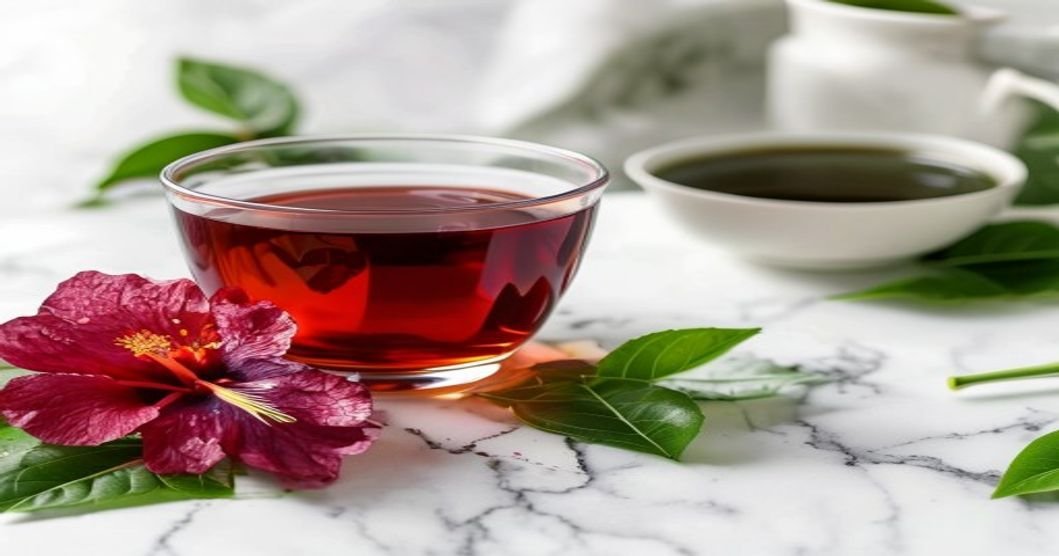
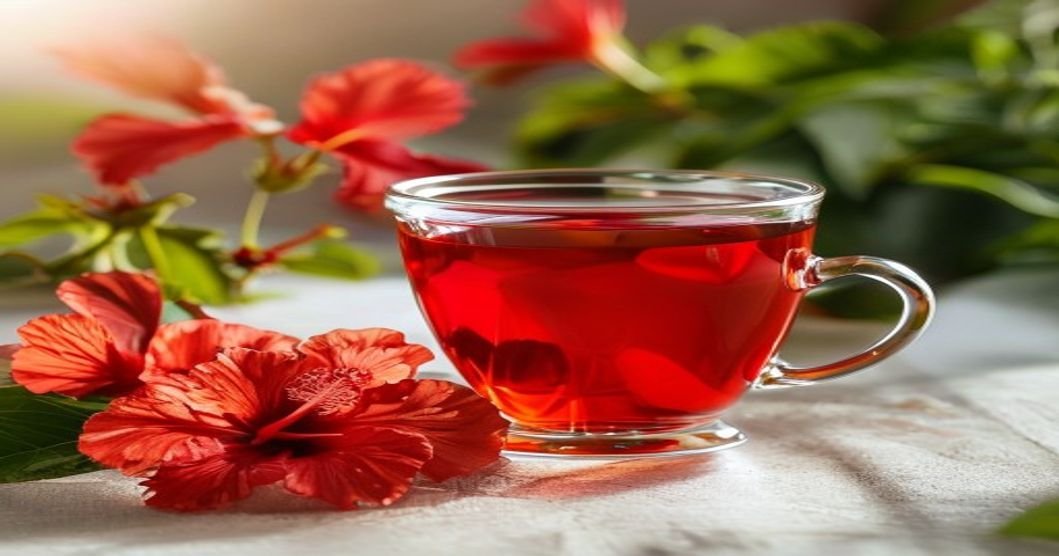
The evidence for hibiscus tea (Roselle — Hibiscus sabdariffa) on blood pressure is among the strongest of any plant-based intervention. A 2010 study published in the Journal of Nutrition — a randomised controlled trial comparing hibiscus tea to placebo — found reductions of 7.2 mmHg systolic in the hibiscus group versus 1.3 mmHg in the placebo group. A 2015 meta-analysis of five randomised controlled trials confirmed these findings, concluding that hibiscus tea significantly reduced both systolic and diastolic blood pressure.

The active compounds are anthocyanins (which give hibiscus its deep red colour) and organic acids, particularly hibiscus acid and hydroxycitric acid, which appear to inhibit ACE activity more potently than green tea‘s EGCG. Hibiscus tea is one of the few plant-based interventions with enough trial evidence to be included in some clinical guidelines for mild hypertension management.

What the research does not show

Tea will not replace antihypertensive medication for anyone whose blood pressure is in Stage 2 hypertension (above 140/90 mmHg) or higher. The reductions documented in trials are meaningful but not equivalent to medication. Tea is most useful as part of a lifestyle management strategy — alongside dietary changes, reduced sodium intake, regular physical activity, and stress management — for people with pre-hypertension or mild Stage 1 hypertension (120-130/80-85 mmHg range).

How much and how

The trials that showed blood pressure effects used 2–3 cups per day, consumed consistently over at least 4 weeks. A single cup occasionally has no measurable effect. For green tea, brewing at 80°C (not boiling) preserves EGCG better than high-temperature steeping. For hibiscus, a 5-minute steep releases the anthocyanins fully; longer steeping doesn’t add more benefit but does increase tartness.

Teas to try from Tea Story: Our Premium Green Tea from West Garo Hills (for EGCG and L-theanine) and Hibiscus Roselle Tea (for anthocyanin-mediated ACE inhibition). Both are available as whole-leaf / whole-flower single-ingredient teas with no additives.

Posted on Leave a comment

Tea and Kidney Health : Proven Green Tea Benefits for Kidney Protection and Hibiscus for UTI Prevention

Tea and Kidney Health and Uti Prevention — The evidence on green tea for kidney protection and hibiscus for UTI prevention — what the research shows and how to use tea as part of kidney health.

Tea and Kidney Health Uti Prevention: What You Need to Know

For further research, see green tea kidney protection research.

⚠ Medical Disclaimer: This article is for informational purposes only. Tea is a complement to a healthy lifestyle — not a treatment or cure for any medical condition. Always consult a qualified doctor or healthcare provider before making changes to manage any health condition. Do not replace prescribed medication with tea or any other food supplement.

Chronic kidney disease (CKD) affects approximately 17% of Indian adults, driven largely by the high prevalence of diabetes and hypertension — both primary causes of kidney damage. Urinary tract infections (UTIs) are one of the most common bacterial infections in women globally, with recurrent UTIs being a significant quality-of-life issue.

Green tea and kidney stone prevention

Kidney stones (nephrolithiasis) affect approximately 12% of Indians and have a high recurrence rate. A 2019 study in the Urological Research journal found that EGCG inhibited the crystallisation and adhesion of calcium oxalate — the primary component of most kidney stones — to renal tubular cells. This mechanism suggests that regular green tea consumption may reduce kidney stone formation, complementing the established advice to increase fluid intake.

A large 2013 prospective cohort study in the American Journal of Epidemiology found that tea consumption was associated with a significantly lower risk of kidney stone formation in both men and women — with each 8oz cup of tea per day associated with approximately an 11% lower risk. The mechanism is not just fluid intake: tea’s polyphenols appear to interfere with the crystallisation process specifically.

EGCG and CKD progression

A 2016 review in the Journal of Renal Nutrition examined the evidence for green tea in CKD management, finding that EGCG reduces renal fibrosis (scar tissue formation that leads to progressive kidney function loss) through TGF-beta pathway inhibition, and reduces oxidative stress in renal tubular cells. Animal studies show consistent nephroprotective effects; human clinical trials in CKD are limited but supportive.

Hibiscus and UTI prevention

The primary cause of uncomplicated UTIs is Escherichia coli, which accounts for approximately 80% of cases. A 2011 study in the Journal of Ethnopharmacology found that hibiscus extract exhibited significant antibacterial activity against multiple strains of E. coli, including some strains resistant to common antibiotics. The mechanism involves hibiscus anthocyanins disrupting bacterial cell membrane integrity and inhibiting their ability to adhere to urinary tract epithelial cells.

Hibiscus tea also has diuretic properties (through its organic acids) that increase urine output and flush the urinary tract — a physical mechanism complementing the antibacterial chemical one.

Important cautions

For people with established CKD: tea contains potassium and oxalate, which may need to be restricted depending on the stage of kidney disease. Consult your nephrologist. For UTIs: tea is supportive but is not a replacement for antibiotics when an active infection is present.

Teas to try from Tea Story: Premium Green Tea (kidney stone prevention, CKD oxidative protection) and Hibiscus Roselle Tea (E. coli inhibition, diuretic flushing for UTI prevention).

Posted on Leave a comment

Tea and Type 2 Diabetes: How Green Tea Affects Blood Sugar and Insulin Sensitivity

Green Tea Type 2 Diabetes Blood Sugar — How green tea affects blood sugar and insulin sensitivity in Type 2 diabetes. What the research says from The Tea Story.

Green Tea Type 2 Diabetes Blood Sugar: What You Need to Know

Green Tea Type 2 Diabetes Blood Sugar: What You Need to Know

Green Tea Type 2 Diabetes Blood Sugar: What You Need to Know

Green Tea Type 2 Diabetes Blood Sugar: What You Need to Know

Green Tea Type 2 Diabetes Blood Sugar: What You Need to Know

Green Tea Type 2 Diabetes Blood Sugar: What You Need to Know

Green Tea Type 2 Diabetes Blood Sugar: What You Need to Know

Green Tea Type 2 Diabetes Blood Sugar: What You Need to Know

Green Tea Type 2 Diabetes Blood Sugar: What You Need to Know

Green Tea Type 2 Diabetes Blood Sugar: What You Need to Know

⚠ Medical Disclaimer: This article is for informational purposes only. Tea is a complement to a healthy lifestyle — not a treatment or cure for any medical condition. Always consult a qualified doctor or healthcare provider before making changes to manage any health condition. Do not replace prescribed medication with tea or any other food supplement.

India is home to approximately 77 million people with Type 2 diabetes, and a further 136 million are estimated to have pre-diabetes — elevated blood sugar that has not yet reached the diagnostic threshold for diabetes. The country’s diabetes burden is driven by a combination of genetic predisposition, dietary patterns high in refined carbohydrates, sedentary lifestyles, and chronic stress.

In this context, the research on tea and blood sugar regulation is worth examining carefully — both for what it shows and for what it doesn’t.

What the research shows

A 2013 meta-analysis in the American Journal of Clinical Nutrition, pooling data from 17 cohort studies with over 500,000 participants, found that green tea consumption was associated with a significantly lower risk of developing Type 2 diabetes — with each additional cup per day associated with approximately a 4% reduction in risk. This is an association, not a causal proof, but the consistency across studies is meaningful.

More mechanistically relevant are the randomised controlled trials. A 2013 study published in Diabetes and Metabolism found that consuming 3 cups of green tea daily for 8 weeks reduced fasting blood glucose by an average of 3.6 mg/dL compared to a control group. A 2016 meta-analysis in the Journal of the American College of Nutrition confirmed significant reductions in fasting glucose and HOMA-IR (a measure of insulin resistance) in green tea intervention groups.

The primary mechanism is EGCG’s effect on GLUT4 transporters — the proteins that move glucose from the bloodstream into muscle cells. EGCG appears to activate GLUT4 translocation through an insulin-independent pathway, effectively improving glucose uptake without requiring more insulin. This is clinically meaningful because Type 2 diabetes is fundamentally a disease of insulin resistance — the cells stop responding to insulin’s signal to take up glucose.

Green tea also inhibits the enzyme alpha-amylase, which breaks down starch into simple sugars in the digestive tract. Slowing this process reduces the post-meal glucose spike — the rapid rise in blood sugar after eating carbohydrates that is particularly damaging over years.

Ginger tea and blood sugar

Ginger (Zingiber officinale) has a specific, well-documented effect on blood sugar. A 2015 randomised controlled trial published in the Journal of Ethnic Foods found that 2g of ginger powder daily for 12 weeks reduced fasting blood sugar by 10.5% and HbA1c (the 3-month blood sugar average) by 10.3% compared to placebo. The mechanism involves compounds called gingerols and shogaols that inhibit key enzymes in glucose metabolism and appear to activate insulin receptors directly.

What the research does not show

Tea will not replace metformin or any other antidiabetic medication. The blood sugar reductions documented in trials are modest — meaningful for prevention and support, not for treatment of established diabetes. Anyone managing diabetes with medication should not adjust doses based on tea consumption without consulting their doctor. The benefits are most relevant for people with pre-diabetes or those managing blood sugar through lifestyle alone.

How much and how

3 cups of green tea per day, consumed with or after meals, maximises the alpha-amylase inhibition effect. Do not add sugar — this directly counters the blood sugar benefit. Unsweetened or sweetened with a tiny amount of honey (which has a lower glycaemic index than sugar) is the practical approach.

Teas to try from Tea Story: Premium Green Tea for EGCG and alpha-amylase inhibition. Ginger Tea for direct blood sugar management effects via gingerols. Both without added sugar.

Posted on Leave a comment

Tea and Cholesterol: How Green and Black Tea Affect LDL and Total Lipids

Tea Cholesterol Ldl Reduction — How green and black tea reduce LDL cholesterol — theaflavins, EGCG, the clinical evidence, and what a daily tea habit does to your lipid profile.

Tea Cholesterol Ldl Reduction: What You Need to Know

For further research, see green tea LDL cholesterol research.

⚠ Medical Disclaimer: This article is for informational purposes only. Tea is a complement to a healthy lifestyle — not a treatment or cure for any medical condition. Always consult a qualified doctor or healthcare provider before making changes to manage any health condition. Do not replace prescribed medication with tea or any other food supplement.

Elevated LDL (low-density lipoprotein) cholesterol is one of the most significant modifiable risk factors for cardiovascular disease. India’s urban population, with its shift toward processed foods and sedentary work, has seen a dramatic increase in dyslipidaemia — abnormal blood lipid levels — over the past two decades.

What the research shows

A 2011 meta-analysis in the American Journal of Clinical Nutrition, pooling 14 randomised controlled trials with 1,136 participants, found that green tea consumption significantly reduced total cholesterol (by an average of 7.2 mg/dL) and LDL cholesterol (by an average of 2.2 mg/dL) compared to control groups. The effect was larger in people with higher baseline cholesterol levels.

A 2013 Cochrane Review of black tea and cardiovascular risk markers found consistent but more modest reductions in total cholesterol with regular black tea consumption (3-4 cups/day), with LDL reductions averaging around 1.5 mg/dL.

The mechanism for green tea is primarily EGCG’s effect on cholesterol absorption in the intestine. EGCG inhibits the micellar solubilisation of cholesterol — the process by which dietary cholesterol is packaged for absorption — effectively reducing how much cholesterol the gut absorbs from food. Additionally, green tea catechins appear to upregulate LDL receptors in the liver, increasing the rate at which LDL is cleared from circulation.

Black tea‘s effect comes primarily from theaflavins and thearubigins — the polyphenols formed during oxidation that give black tea its colour. A specific trial using a theaflavin-enriched green tea supplement showed LDL reductions of 16.4 mg/dL versus placebo, suggesting that these compounds have significant lipid-lowering potential.

Oxidised LDL and antioxidants

Beyond total LDL levels, there is a growing research consensus that oxidised LDL — LDL that has been damaged by free radicals — is more dangerous than total LDL for predicting cardiovascular risk. Tea catechins are potent antioxidants that specifically protect LDL particles from oxidation, reducing the formation of arterial plaques even without significantly changing total LDL numbers. This is a meaningful but often overlooked benefit.

How much and how

The trials showing significant LDL effects used 3-5 cups of green or black tea per day, without milk. Adding milk reduces the availability of catechins — milk proteins bind to the polyphenols and inhibit their absorption. This is a meaningful practical point for Indian tea drinkers accustomed to chai: your morning CTC chai with milk provides far fewer cholesterol-relevant polyphenols than a plain green or orthodox black tea without milk.

Teas to try from Tea Story: Premium Green Tea for maximum EGCG content. Black Orthodox Tea for theaflavin-mediated effects. Consume without milk for maximum lipid benefit.