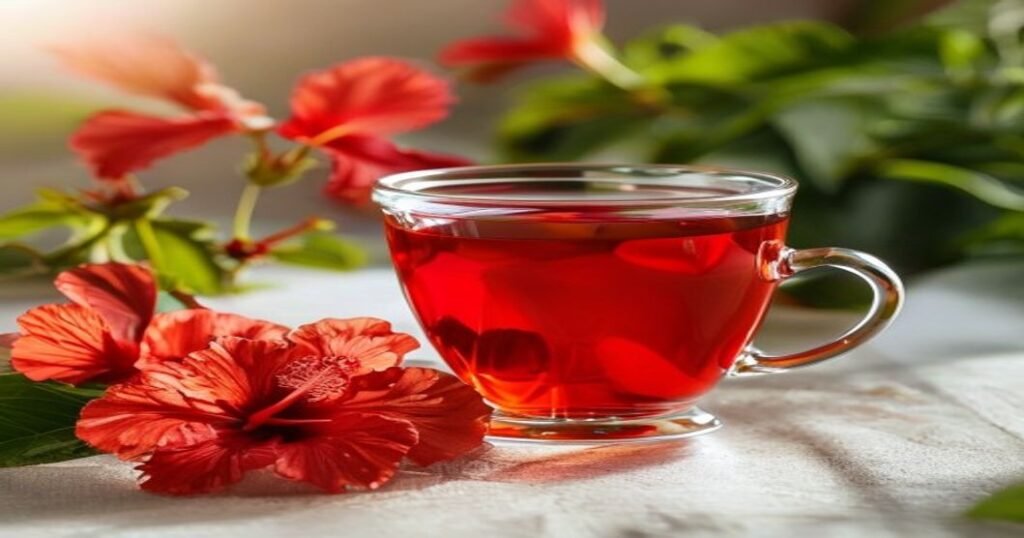
Tea and Kidney Health and Uti Prevention — The evidence on green tea for kidney protection and hibiscus for UTI prevention — what the research shows and how to use tea as part of kidney health.
For further research, see green tea kidney protection research.
⚠ Medical Disclaimer: This article is for informational purposes only. Tea is a complement to a healthy lifestyle — not a treatment or cure for any medical condition. Always consult a qualified doctor or healthcare provider before making changes to manage any health condition. Do not replace prescribed medication with tea or any other food supplement.
Chronic kidney disease (CKD) affects approximately 17% of Indian adults, driven largely by the high prevalence of diabetes and hypertension — both primary causes of kidney damage. Urinary tract infections (UTIs) are one of the most common bacterial infections in women globally, with recurrent UTIs being a significant quality-of-life issue.
Green tea and kidney stone prevention
Kidney stones (nephrolithiasis) affect approximately 12% of Indians and have a high recurrence rate. A 2019 study in the Urological Research journal found that EGCG inhibited the crystallisation and adhesion of calcium oxalate — the primary component of most kidney stones — to renal tubular cells. This mechanism suggests that regular green tea consumption may reduce kidney stone formation, complementing the established advice to increase fluid intake.
A large 2013 prospective cohort study in the American Journal of Epidemiology found that tea consumption was associated with a significantly lower risk of kidney stone formation in both men and women — with each 8oz cup of tea per day associated with approximately an 11% lower risk. The mechanism is not just fluid intake: tea’s polyphenols appear to interfere with the crystallisation process specifically.
EGCG and CKD progression
A 2016 review in the Journal of Renal Nutrition examined the evidence for green tea in CKD management, finding that EGCG reduces renal fibrosis (scar tissue formation that leads to progressive kidney function loss) through TGF-beta pathway inhibition, and reduces oxidative stress in renal tubular cells. Animal studies show consistent nephroprotective effects; human clinical trials in CKD are limited but supportive.
Hibiscus and UTI prevention
The primary cause of uncomplicated UTIs is Escherichia coli, which accounts for approximately 80% of cases. A 2011 study in the Journal of Ethnopharmacology found that hibiscus extract exhibited significant antibacterial activity against multiple strains of E. coli, including some strains resistant to common antibiotics. The mechanism involves hibiscus anthocyanins disrupting bacterial cell membrane integrity and inhibiting their ability to adhere to urinary tract epithelial cells.
Hibiscus tea also has diuretic properties (through its organic acids) that increase urine output and flush the urinary tract — a physical mechanism complementing the antibacterial chemical one.
Important cautions
For people with established CKD: tea contains potassium and oxalate, which may need to be restricted depending on the stage of kidney disease. Consult your nephrologist. For UTIs: tea is supportive but is not a replacement for antibiotics when an active infection is present.
Teas to try from Tea Story: Premium Green Tea (kidney stone prevention, CKD oxidative protection) and Hibiscus Roselle Tea (E. coli inhibition, diuretic flushing for UTI prevention).
All Tea Story teas are single-garden whole-leaf teas from West Garo Hills, Meghalaya — no additives, no blending, no middlemen. Re-brews 3 times. Shop Tea Story teas →