Tea Liver Health Nafld Detox — The evidence on green tea and liver health — NAFLD reversal, liver enzyme reduction, hepatoprotective mechanisms, and what the research shows about daily green tea.
For further research, see green tea liver health NAFLD research.
⚠ Medical Disclaimer: This article is for informational purposes only. Tea is a complement to a healthy lifestyle — not a treatment or cure for any medical condition. Always consult a qualified doctor or healthcare provider before making changes to manage any health condition. Do not replace prescribed medication with tea or any other food supplement.
Non-alcoholic fatty liver disease (NAFLD) — the accumulation of fat in liver cells in people who drink little or no alcohol — has become one of India’s most prevalent and underdiagnosed conditions. Estimates suggest NAFLD affects between 9% and 32% of the Indian adult population, driven primarily by obesity, Type 2 diabetes, insulin resistance, and high-carbohydrate diets.
NAFLD is significant because it can progress to non-alcoholic steatohepatitis (NASH), liver cirrhosis, and liver failure. There is currently no approved pharmaceutical treatment for NAFLD — lifestyle modification remains the primary intervention. This makes the evidence for green tea particularly relevant.
What the clinical trials show
A 2016 randomised controlled trial published in the International Journal of Molecular Sciences found that 12 weeks of green tea extract supplementation (equivalent to approximately 4 cups of green tea daily) significantly reduced liver fat content (measured by ultrasound), and lowered serum ALT and AST enzyme levels — the standard markers of liver inflammation and damage.
A 2017 systematic review in the Nutrition Journal pooling data from 15 randomised trials found consistent evidence that green tea consumption reduced serum levels of ALT (alanine aminotransferase) and AST (aspartate aminotransferase) — enzymes that leak from damaged liver cells into the bloodstream. Normalisation of these enzymes is a standard measure of improved liver health.
A 2021 meta-analysis specifically examining green tea and NAFLD found that green tea supplementation for 8-12 weeks significantly reduced hepatic fat accumulation and liver enzyme levels compared to placebo, with the effect being more pronounced in participants with higher baseline liver fat.
The mechanism
EGCG and other catechins in green tea protect the liver through multiple pathways. They reduce lipid peroxidation — the oxidative damage of fats in liver cells that initiates the inflammatory cascade. They inhibit fatty acid synthase — an enzyme involved in the synthesis of new fat in the liver. They activate AMPK, a cellular energy sensor that promotes fat burning and reduces fat storage in liver cells. They also reduce inflammatory cytokine production in liver tissue, interrupting the progression from simple fatty liver to inflammatory NASH.
Important caution
Green tea extract supplements (capsules with concentrated EGCG) have been associated with rare cases of drug-induced liver injury when taken in high doses — particularly above 800mg EGCG per day. This risk does not apply to drinking tea (which provides 50-100mg EGCG per cup, well within safe limits). Drink the tea; be cautious with concentrated supplements.
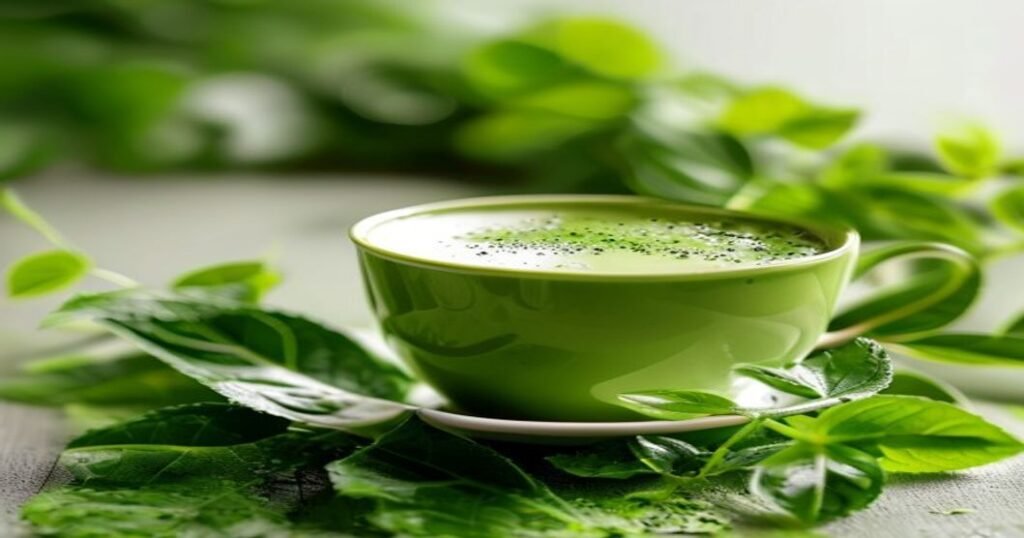
Teas to try from Tea Story: Premium Green Tea — 3-4 cups daily for the EGCG doses used in the clinical trials showing liver benefit. Unsweetened, between meals.
All Tea Story teas are single-garden whole-leaf teas from West Garo Hills, Meghalaya — no additives, no blending, no middlemen. Re-brews 3 times. Shop Tea Story teas →