Best Green Tea In — Best Green Tea in India: A Buyer’s Guide to What Is Actually Worth Drinking — is one of the topics we explore on The Tea Story blog, drawing on our direct experience growing, processing, and tasting tea from our own garden in West Garo Hills, Meghalaya.
The green tea market in India has expanded dramatically over the past fifteen years, driven by growing awareness of health benefits and a shift away from exclusively CTC chai toward a wider vocabulary of hot drinks. With expansion has come the predictable problem: a large market with variable quality and very little standardised information to help buyers distinguish between them.
This guide is practical. It covers what to look for, what to ignore, and why single-origin whole-leaf green tea from the Northeast is worth your attention if you are serious about the cup.
The Single Most Important Variable: The Leaf
Premium green tea is whole leaf. Not “premium whole leaf blend” — whole leaf, meaning the intact two-leaves-and-a-bud standard of hand-plucked tea, processed without the cutting, tearing, and curling that produces CTC grades. Everything else — packaging, brand name, country of origin, certifications — matters far less than whether the leaf itself is whole.
Whole-leaf green tea brews differently from fannings or broken-leaf grades. It releases its flavour gradually, can be steeped multiple times, and does not punish over-brewing with the immediate, aggressive bitterness that broken-leaf material produces. If you have tried green tea and found it unpleasant, the variable most likely responsible is leaf grade, not green tea itself.
India vs China vs Japan: The Honest Comparison
Japanese green teas — matcha, sencha, gyokuro — are benchmarks of a specific style: grassy, umami-rich, very low bitterness, processed with steam rather than pan-fire. They are excellent and expensive, and the best of them are genuinely distinctive. Chinese green teas cover a wider range, from the delicate Long Jing (Dragon Well) to the more robust Gunpowder grades, processed with varying combinations of pan-firing and drying.
Indian green teas from the Northeast — specifically from Meghalaya and Assam — occupy a different flavour profile: naturally sweet, light to medium body, with a clean finish that has very little of the vegetal or seaweedy quality that some drinkers find challenging in Japanese greens. They are not imitations of Chinese or Japanese styles. They are a distinct category, shaped by different soil chemistry, different altitude, and different rainfall patterns.
The best Indian green tea from the Northeast does not taste like a cheaper version of Japanese or Chinese tea. It tastes like itself — which, if you are used to either of those styles, will be a genuinely different experience.
What to Ignore on the Label
“Organic” is a certification that requires verification. On its own, as a label claim without a certifying body listed, it means nothing. “Natural” is not a regulated term in India. “Premium” is marketing language with no standardised definition. “High altitude” is meaningful if you can verify the actual altitude; otherwise it is often decoration.
What to look for instead: the source garden or district, the processing method (orthodox whole-leaf), the harvest season if listed, and the FSSAI number that confirms the product comes from a registered, traceable production facility. These are specific, verifiable facts rather than aspirational claims.
Our Green Tea Range from West Garo Hills
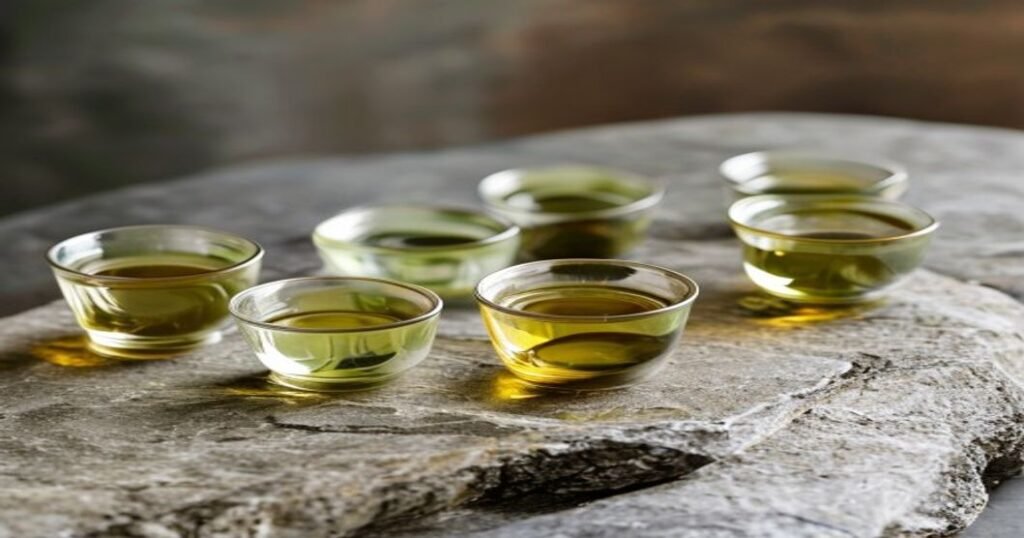
Our green teas are grown in our single garden in West Garo Hills, Meghalaya, processed orthodox whole-leaf in our on-site factory, and shipped directly to customers without going through auction or blending. The flavour is consistently clean, naturally sweet, and re-brewable up to three times from the same leaves. We grow Premium Green Tea, Orange Dew Tea (with natural orange peel and ginger), Jasmine Green Tea, and Mint Burst Tea from the same garden under the same standards. If you are beginning to explore genuine Indian green tea, any of these is a reasonable starting point.