
Garo Wangala Festival Gratitude — The Garo wangala — the harvest festival of gratitude and rest — and what it teaches about celebration, stopping, and the modern inability to mark completion.
Garo Wangala Festival Gratitude: What You Need to Know
For further research, see the Wangala harvest festival of the Garo.
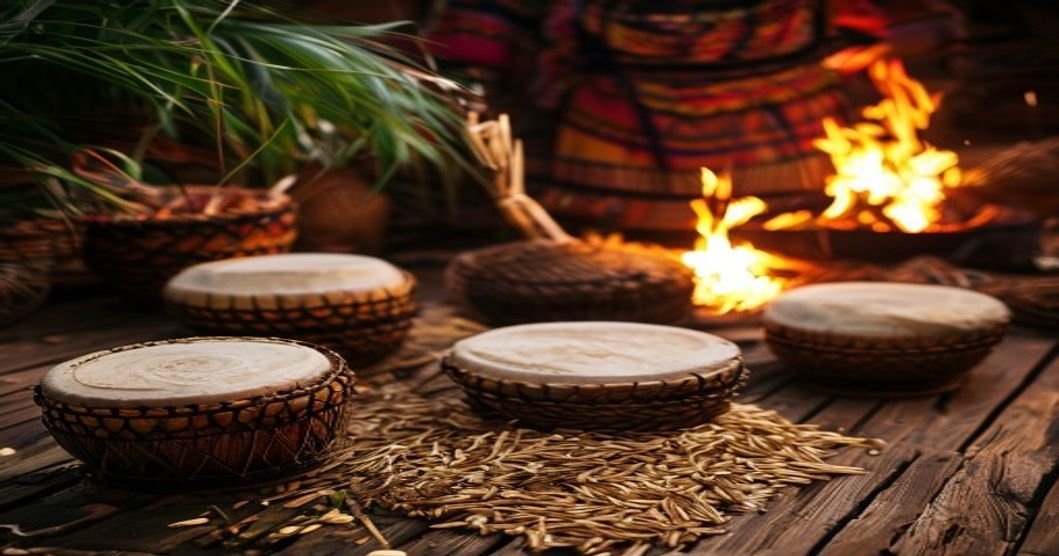
Every year, after the rice was in and the cotton picked, the Garo people of Meghalaya held Wangala — a festival of thanksgiving to Misi Saljong, the Sun God and deity of fertility. The drums began, the Docksiagipa dance moved through the village, the community feasted together on the harvest they had made collectively.
Wangala was not a market fair. Nothing was sold. Nothing was launched. There were no performances for an audience of strangers or metrics of attendance. The festival was a settling of accounts with the year — an acknowledgement that the rain had come, the crops had grown, the harvest was in, and this was worth stopping for.
And then it ended. The drums stopped. The dancers went home. The next season began.
We have lost the art of the festival that knows how to end. Modern celebrations have become performances of celebration — content for the story, the reel, the highlight archive. We document instead of experience, because the documented version is what we use to show that we were, in fact, there and it was, in fact, good.
The Garo harvest festival worked because it was directed at something real: the actual food that was actually harvested by actual people who were standing right there. The gratitude was not abstract. It was addressed to the specific sun that had shone on the specific rice in the specific jhum clearing on the hillside above the village.
Gratitude for the specific is very different from gratitude as a wellness practice. The first is a relationship between a person and a place and a season. The second is a cognitive exercise with general applicability.
Tea made from leaves grown in the West Garo Hills carries something of this specificity. A particular altitude. A particular rainfall. A particular October harvest. When you drink it, you are drinking a specific thing from a specific place in a specific year. That is worth pausing on. Even without drums.