
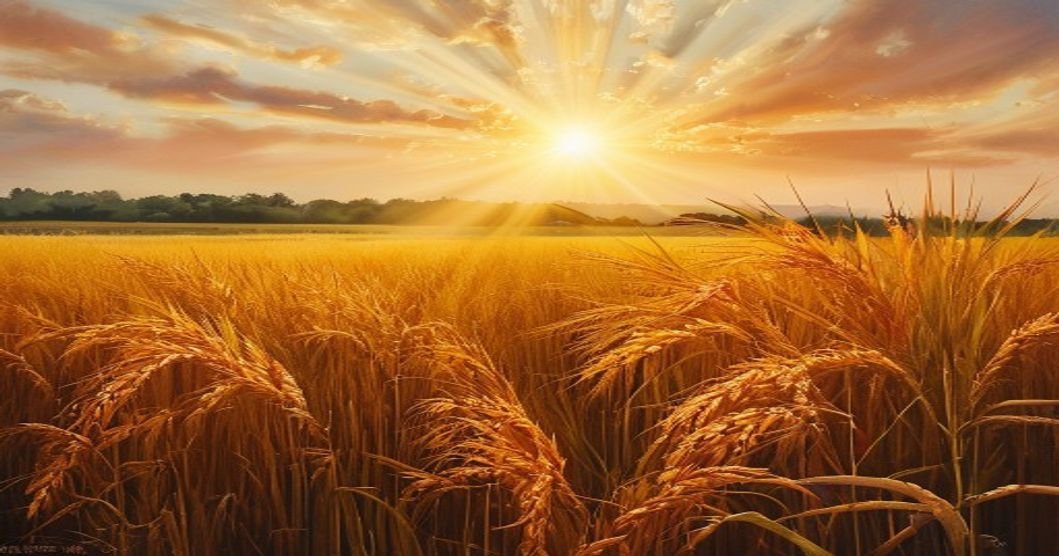
Saljong Wangala First Harvest Garo Origin — The Garo origin story of Wangala — the harvest festival of the Garo hills — and how Saljong, the sun god, connects the first harvest to the land and the tea grown there.
This is an Achik Tale Saljong Wangala — a story from the A’Chik tradition of the Garo people of West Garo Hills, Meghalaya, the same hills where our tea grows. The A'Chik tale of Saljong and the first harvest — the origin story of Wangala, and what it has to do with the tea that grows in the same hills today.
Achik Tale Saljong Wangala: What You Need to Know
Saljong Wangala First Harvest Garo Origin — The Garo origin story of Wangala — the harvest festival of the Garo hills — and how Saljong, the sun god, connects the first harvest to the land and the tea grown there.
Saljong Wangala First Harvest Garo Origin: What You Need to Know
Achik Tale Saljong Wangala — The origin story of Wangala — the Garo harvest festival — and the god Saljong who gave the gift of cultivation. What this has to do with the tea that grows in the same hills.
For background on the Garo people of Meghalaya and the A’Chik cultural tradition these stories come from, Wikipedia provides a useful overview.
For further research, see the Wangala festival of the Garo people.
From A’Chik Golporang (Garo Folklore) Parts II (Story 25: Wangalao Ajiani) and III (Story 10: Saljong), collected by Dhoronsing K. Sangma.
Before there was Wangala — before the great drums, before the Docksiagipa dance, before the community gathering at harvest end — there was Saljong.
In the A’chik cosmology of Part III, Saljong is the deity of fertility and the sun. But the story of how Saljong came to govern the harvest is not a story of power. It is a story of a test, a journey, and a specific kind of courage — the courage to go to the place from which, as the Garo said of the mountain Chikmang, no traveller returns.
Niba Jonja, the central figure of Part III’s creation stories, undertook a journey on behalf of the living world. The journey required passing through Salgra — the domain where the great spirits dwell — and making a case that the earth’s fertility should be governed with care rather than indifference. The spirits who governed before Saljong were not malevolent. They were simply unconcerned with whether the rice grew or the cotton bloomed or the jhum clearing produced enough to see the village through winter.
Saljong was different. Saljong paid attention.
The establishment of Saljong as the fertility deity was, in the Garo understanding, the establishment of an agreement: the earth would produce, but the harvest required acknowledgement. Not demand. Not extraction. Acknowledgement. The sun shines; the rain comes; the seeds grow. Notice this. Thank this. The thanksgiving is not superstition. It is the recognition of a relationship that will continue only as long as it is tended.
Wangala was created as the mechanism of this acknowledgement — the drums that say we are here, the dance that says we receive this, the gathering that says we know we did not do it alone.
The tea flush works on a similar logic to the Garo harvest. It is not continuous. It does not run all year. There is a spring flush — the first, most delicate leaves of the year, grown through the Meghalaya winter, tasted first in April and May. There is a summer flush. There is an autumn harvest. And then the plant rests.
The Garo farmer’s relationship to the jhum clearing — maximum attention during the growing season, complete release during the fallow years — is structurally identical to the tea garden’s seasonal logic. You cannot rush the flush. You cannot extend the season by insisting.
Saljong’s gift was the harvest. The harvest’s gift is this cup. Wangala says: we receive it. We are grateful. We do not pretend it was only our effort.
November is Wangala season in the Garo hills. It is also the season to stock your best teas — the ones that carry the year’s light in them.
The hills where this story lives are the same hills where our tea grows. Explore teas from West Garo Hills →