
Anti-Inflammatory Tea India — EGCG, Gingerols, and the NF-kB Pathway
The best anti-inflammatory tea in India works through a well-characterised molecular pathway. EGCG (epigallocatechin gallate) from whole leaf green tea inhibits NF-kB — the master transcription factor that controls the expression of pro-inflammatory cytokines including IL-6, IL-1β, and TNF-alpha. When NF-kB is suppressed, the entire inflammatory cascade is reduced at the source. This is the same pathway targeted by many pharmaceutical anti-inflammatories, but through a gentler, cumulative dietary mechanism.
Why ginger is the most potent anti-inflammatory herb in tea
Ginger gingerols inhibit both COX-1 and COX-2 — the same enzymes targeted by ibuprofen and aspirin — through direct binding. A 2015 systematic review of 9 randomised controlled trials found ginger supplementation significantly reduced C-reactive protein (CRP), the primary blood marker of systemic inflammation, across diverse patient populations including osteoarthritis, rheumatoid arthritis, and metabolic syndrome. Our Ginger Tea provides dried ginger root combined with whole leaf green tea — EGCG operating on NF-kB, gingerols operating on COX enzymes. Two independent anti-inflammatory mechanisms in one cup.
Roselle anthocyanins and systemic inflammation
Roselle anthocyanins are among the most potent dietary antioxidants available in tea form. Anthocyanins specifically reduce oxidative stress-driven inflammation — the type that underlies cardiovascular disease, metabolic syndrome, and accelerated cellular ageing. Our Roselle Tea delivers anthocyanins at concentrations comparable to blueberries per cup. A 2010 clinical trial found roselle tea significantly reduced both systolic blood pressure and inflammatory markers versus placebo over 6 weeks.
Which tea to choose for your anti-inflammatory goal
For joint pain and arthritis: Ginger Tea — gingerols have the strongest direct evidence for joint pain reduction via COX inhibition. For general systemic inflammation and cardiovascular support: Roselle Tea — anthocyanins target oxidative-stress inflammation directly. For daily maintenance and the broadest anti-inflammatory profile: our Organic Green Tea — the highest pure EGCG dose in our range, consistently reduces CRP in studies of daily consumption over 8+ weeks. All three are available individually. Start with one, add a second after 4 weeks, and notice which shift you feel most clearly.
Frequently asked questions
Which tea is best for inflammation and arthritis? Ginger Tea for the most potent direct anti-inflammatory effect (COX-1 and COX-2 inhibition plus EGCG). Roselle Tea for anthocyanin-based systemic inflammation reduction. Organic Green Tea for consistent daily EGCG NF-kB suppression.
Does green tea reduce inflammation? Yes. EGCG inhibition of NF-kB is one of the most replicated findings in nutritional biochemistry. Meaningful reduction in CRP and IL-6 is observed in clinical studies using 2–3 cups of whole leaf green tea daily over 8–12 weeks. Whole leaf is essential — teabag-grade fannings contain significantly lower EGCG concentrations.
Is ginger tea good for joint pain? Clinical evidence supports gingerol supplementation for reducing joint pain in osteoarthritis. Whole leaf ginger tea provides a dietary dose — consistent with long-term joint health support as part of an anti-inflammatory diet. Not a replacement for prescribed medication but a well-evidenced dietary companion to it.
Anti-Inflammatory Tea India — EGCG, Gingerols, and the NF-kB Pathway
The best anti-inflammatory tea in India works through a well-characterised molecular pathway. EGCG from whole leaf green tea inhibits NF-kB — the master transcription factor that controls the expression of pro-inflammatory cytokines including IL-6, IL-1β, and TNF-alpha. When NF-kB is suppressed, the entire inflammatory cascade is reduced at the source. This is the same pathway targeted by many pharmaceutical anti-inflammatories, but through a gentler, cumulative dietary mechanism.
Anti-inflammatory tea from our Meghalaya garden provides this in whole leaf form — the highest EGCG concentration available in tea, uncompromised by the oxidation that occurs in broken teabag dust.
Ginger: The Most Potent Anti-Inflammatory Herb in Tea
Ginger gingerols inhibit both COX-1 and COX-2 — the same enzymes targeted by ibuprofen and aspirin — through direct binding. A 2015 systematic review of 9 RCTs found ginger supplementation significantly reduced C-reactive protein (CRP), the primary blood marker of systemic inflammation, across diverse patient populations including osteoarthritis, rheumatoid arthritis, and metabolic syndrome.
Our Ginger Tea provides dried ginger root combined with whole leaf green tea — two independently validated anti-inflammatory compounds in one cup. The combination is additive: EGCG operates on NF-kB, gingerols operate on COX enzymes. Different targets, compounding reduction in inflammatory output.
Roselle: Anthocyanins Against Systemic Inflammation
Roselle anthocyanins are among the most potent dietary antioxidants available in tea form. Anthocyanins specifically reduce oxidative stress-driven inflammation — the type that underlies cardiovascular disease, metabolic syndrome, and accelerated cellular ageing. Our Roselle Tea delivers anthocyanins at concentrations comparable to blueberries per cup.
Best Anti-Inflammatory Teas from The Tea Story
Our Ginger Tea — the most directly anti-inflammatory cup in our range, combining EGCG and gingerols. Our Roselle Tea for anthocyanin-based systemic inflammation reduction. Our Organic Green Tea for the highest pure EGCG dose for daily anti-inflammatory support.
Frequently Asked Questions
Which tea is best for inflammation and arthritis? Ginger Tea for the most potent anti-inflammatory effect (COX inhibition plus EGCG). Roselle Tea for anthocyanin-based systemic inflammation. Organic Green Tea for consistent daily EGCG support.
Does green tea reduce inflammation? Yes. EGCG’s inhibition of NF-kB is one of the most replicated findings in nutritional biochemistry. Meaningful reduction in inflammatory markers (CRP, IL-6) is observed in clinical studies using 2–3 cups of whole leaf green tea daily over 8–12 weeks.
Is ginger tea good for joint pain? Clinical evidence supports gingerol supplementation for reducing joint pain in osteoarthritis. Whole leaf ginger tea provides a dietary dose — lower than clinical supplement doses but consistent with long-term joint health support as part of an anti-inflammatory diet.
Anti-Inflammatory
Fight chronic inflammation naturally with gingerols, anthocyanins, EGCG, and other powerful compounds.
Teas for Anti-Inflammatory
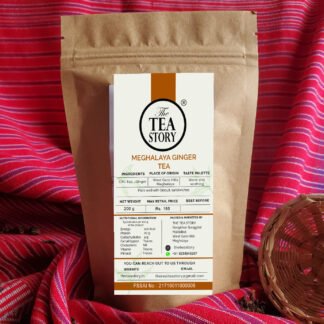
Ginger Tea
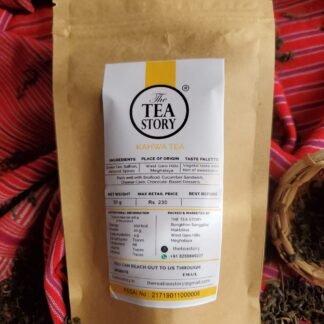
Kahwa Tea
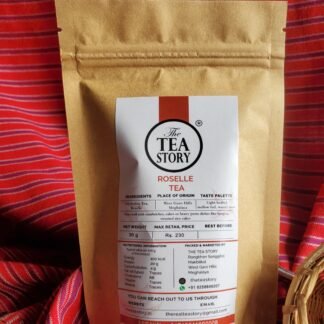
Roselle Tea
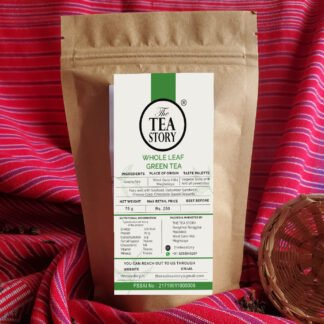
Premium Green Tea
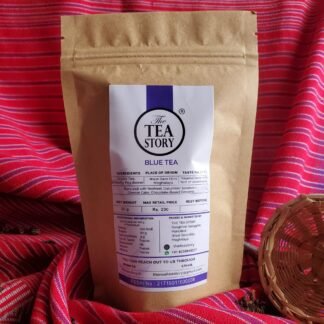
Blue Tea
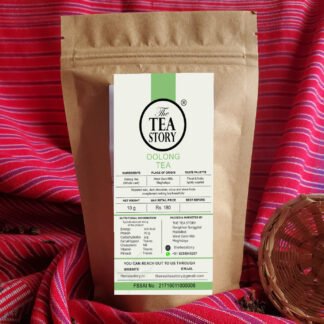
Oolong Tea
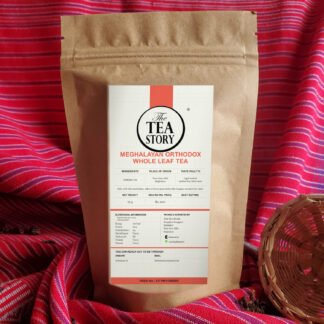
Meghalaya Orthodox Tea
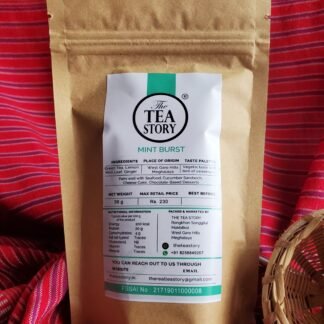
Mint Burst Tea

Cardamom Tea
Frequently Asked Questions About Anti Inflammatory Green Tea India
What makes anti inflammatory green tea india from The Tea Story different?
Our anti inflammatory green tea india is grown in our own garden in West Garo Hills, Meghalaya — single origin, whole leaf, and processed in our own factory. No blending with leaves from other estates. No middlemen between harvest and your cup.
How do I brew anti inflammatory green tea india?
Water at 75–85°C (not boiling). 2g per 180ml. Steep for 2–3 minutes. Our teas are re-brewable up to 3 times — add 30 seconds per subsequent steep. Never use boiling water, as it destroys catechins and creates bitterness.
Where does The Tea Story ship anti inflammatory green tea india?
We ship across India with free delivery on orders above ₹499. Most orders arrive in 3–5 working days. We use India Post Speed Post for reliable nationwide delivery.
Frequently Asked Questions About Anti Inflammatory Green Tea India
What makes anti inflammatory green tea india from The Tea Story different?
Our anti inflammatory green tea india is grown in our own garden in West Garo Hills, Meghalaya — single origin, whole leaf, and processed in our own factory. No blending with leaves from other estates. No middlemen between harvest and your cup.
How do I brew anti inflammatory green tea india?
Water at 75–85°C (not boiling). 2g per 180ml. Steep for 2–3 minutes. Our teas are re-brewable up to 3 times — add 30 seconds per subsequent steep. Never use boiling water, as it destroys catechins and creates bitterness.
Where does The Tea Story ship anti inflammatory green tea india?
We ship across India with free delivery on orders above ₹499. Most orders arrive in 3–5 working days. We use India Post Speed Post for reliable nationwide delivery.