Description
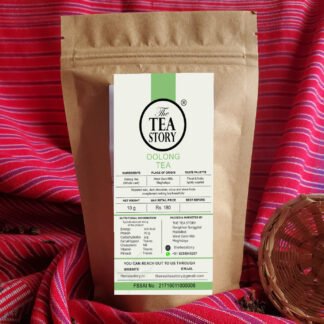
Oolong Tea from West Garo Hills, Meghalaya, is the most complex and rewarding cup in our range. Oolong Tea is semi-oxidised — positioned between green tea (unoxidised) and black tea (fully oxidised) — capturing the freshness and antioxidant richness of green alongside the depth and warmth of black. Our Meghalaya oolong re-brews up to five times, each steep a genuinely different cup.
Oolong Tea from West Garo Hills, Meghalaya, is the most complex and rewarding cup in our range. Oolong Tea is semi-oxidised — positioned between green tea (unoxidised) and black tea (fully oxidised) — capturing the freshness and antioxidant richness of green alongside the depth and warmth of black. Our Meghalaya oolong re-brews up to five times, each steep a genuinely different cup.
Oolong Tea India — Buy Oolong Tea India — semi-oxidised whole leaf from West Garo Hills, Meghalaya. Between green and black, complex and smooth. Free shipping above Rs.499.
Oolong Tea India: What You Need to Know
Oolong Tea from West Garo Hills, Meghalaya, is the most complex cup in our range. Oolong Tea is semi-oxidised — positioned between green tea (no oxidation) and black tea (full oxidation) — capturing characters from both: the freshness and antioxidant richness of green tea, and the depth and warmth of black tea. No other tea type produces this combination.
Oolong Tea from West Garo Hills, Meghalaya, is the most rewarding and complex cup in our range. Semi-oxidised — positioned between green tea (no oxidation) and black tea (full oxidation) — oolong captures characters from both: the freshness and antioxidant richness of green tea, and the depth and warmth of black tea.
For further reading on oolong tea and metabolism research, independent research is available from PubMed and Wikipedia.
Our Meghalaya oolong is produced in small batches, with oxidation stopped at 40–60% — this is the range that produces what tea connoisseurs call the “honey orchid” character: a natural sweetness with floral notes and a long, warming finish. No other tea type produces this character.
The truly remarkable feature of good oolong: it re-brews up to five times, and each steep is genuinely different. The first is fresh and floral. The second opens more fully. The third develops a roasted, honeyed depth. The fourth and fifth become meditative and quietly complex. A single brewing session with good oolong is a tasting experience, not just a cup of tea.
Oolong Tea Health Benefits: Between Green and Black
- Highest antioxidant diversity — oolong contains both green tea catechins (EGCG) and black tea theaflavins, giving it the most comprehensive antioxidant profile of any tea type
- Metabolism support — oolong polyphenols have been studied for fat oxidation and blood glucose regulation; some studies show stronger effects than green tea alone
- Dental health — oolong’s polyphenols inhibit the bacteria responsible for plaque and tooth decay
- Re-brews 5× — maximum value per gram; the extended brewing draws out different health compounds across each steep
- Calm focus — L-theanine content is high; combined with the moderate caffeine (30–50mg) this produces the best calm-alertness profile of any tea type
Best for: Tea enthusiasts · Anyone who wants complexity · Metabolism · Corporate gifting · Weekend ritual
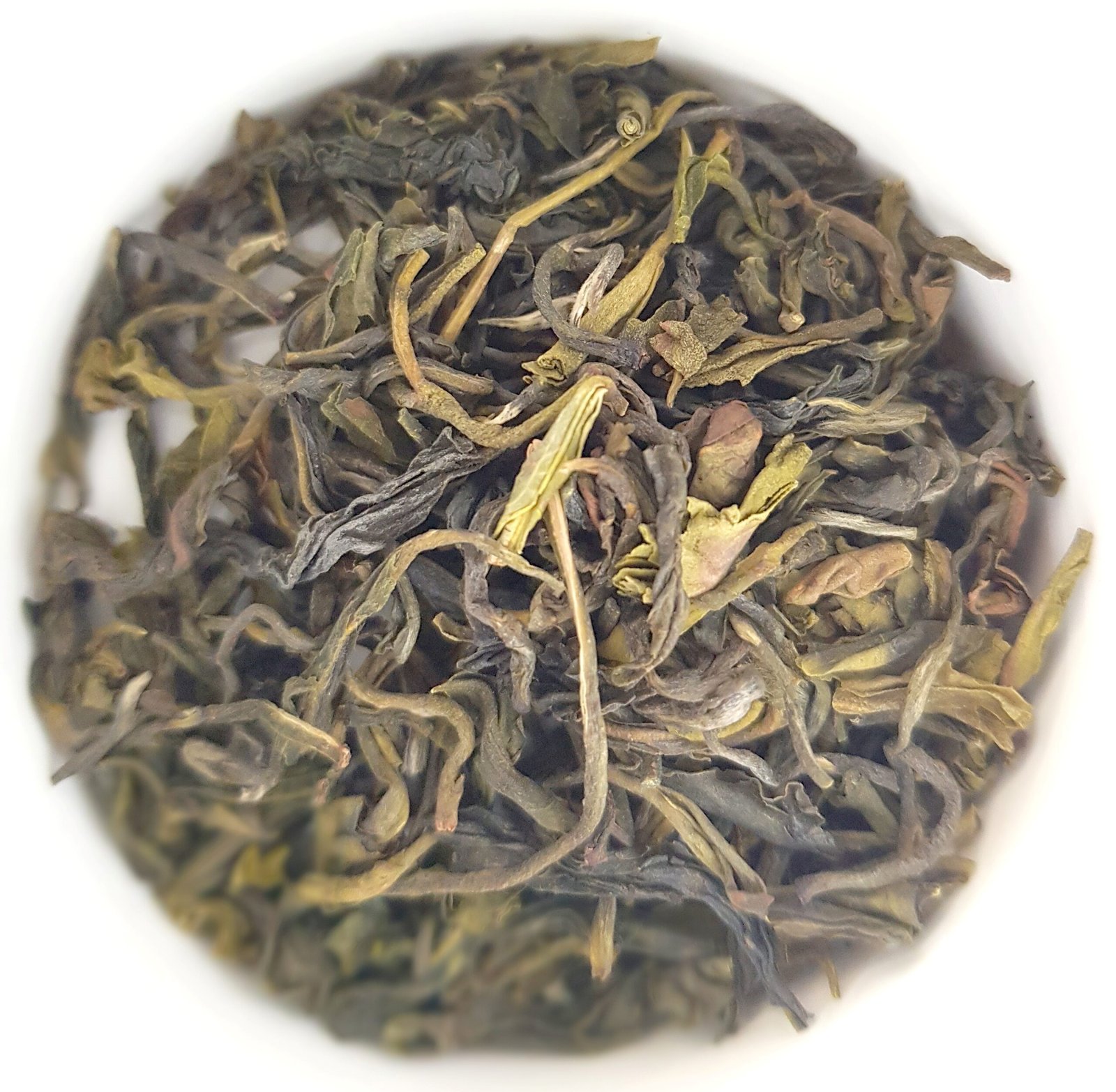
Taste profile: Honey-orchid sweetness, floral notes, smooth and warming. Each steep a different character. Never bitter.
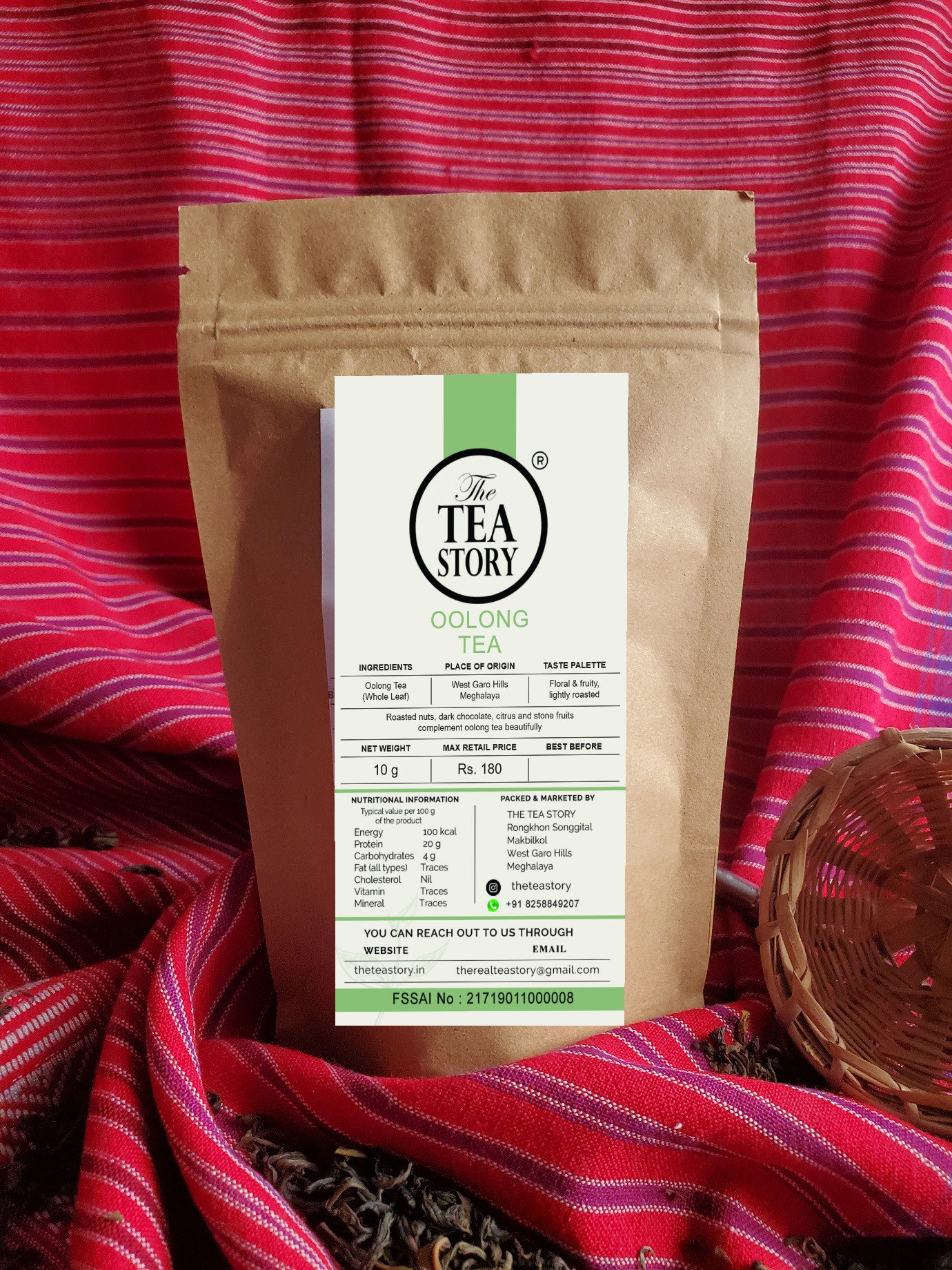
Ingredients: Whole Leaf Oolong Tea — West Garo Hills, Meghalaya
Net Weight: 30g | FSSAI: 21719011000008
Brew at 85–90°C for 2–3 minutes. Re-brewable up to 5 times, adding 30 seconds per steep. Use 3g per 180ml for oolong (slightly more than green tea).
Also try our Meghalaya Orthodox Tea — the full-oxidation whole leaf black tea from the same garden.
Oolong Tea: Between Green and Black — Health Benefits
Frequently Asked Questions
What makes oolong different from green and black tea?
Oxidation level. Green tea is unoxidised. Black tea is fully oxidised. Oolong is partially oxidised — stopped at 20–80% depending on the style. This partial oxidation creates a unique set of flavour compounds and antioxidants found in neither green nor black tea alone.
Is oolong good for weight loss?
There is reasonable evidence that oolong polyphenols enhance fat oxidation and blood glucose regulation. Some studies show stronger effects than green tea. At zero calories and with the added benefit of re-brewing, it is a cost-effective daily metabolic habit.
Why does oolong re-brew so many times?
The partial oxidation of the whole leaf creates a sealed outer layer that releases flavour slowly. Where green or black teabags are exhausted after one steep, good oolong reveals different flavour compounds at each temperature and steeping time. It is designed to be brewed multiple times.
Is Indian oolong as good as Taiwanese or Chinese oolong?
Different rather than lesser. Chinese and Taiwanese oolong have centuries of tradition and very specific cultivars. Indian oolong — particularly from Meghalaya’s altitude and monsoon microclimate — is a newer style with its own distinct character. Our West Garo Hills oolong has a honey-orchid sweetness that is genuinely comparable to mid-range Taiwanese oolongs. Also explore our Jasmine Green Tea.

Reviews
There are no reviews yet