
Description
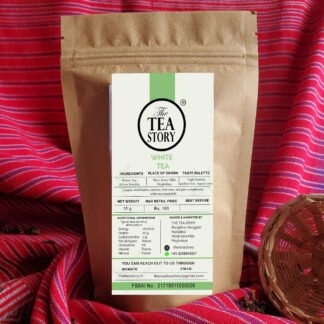
White Tea from West Garo Hills, Meghalaya, is the rarest tea we produce. White Tea is made only from young buds and the newest leaves — still covered in silver-white down — simply dried with no rolling, no oxidation, and no firing. This minimal processing preserves the highest EGCG concentration of any tea type, and produces a naturally sweet, delicately complex cup.
White Tea from West Garo Hills, Meghalaya, is the rarest tea we produce. White Tea is made only from young buds and the newest leaves — still covered in silver-white down — simply dried with no rolling, no oxidation, and no firing. This minimal processing preserves the highest EGCG concentration of any tea type, and produces a naturally sweet, delicately complex cup.
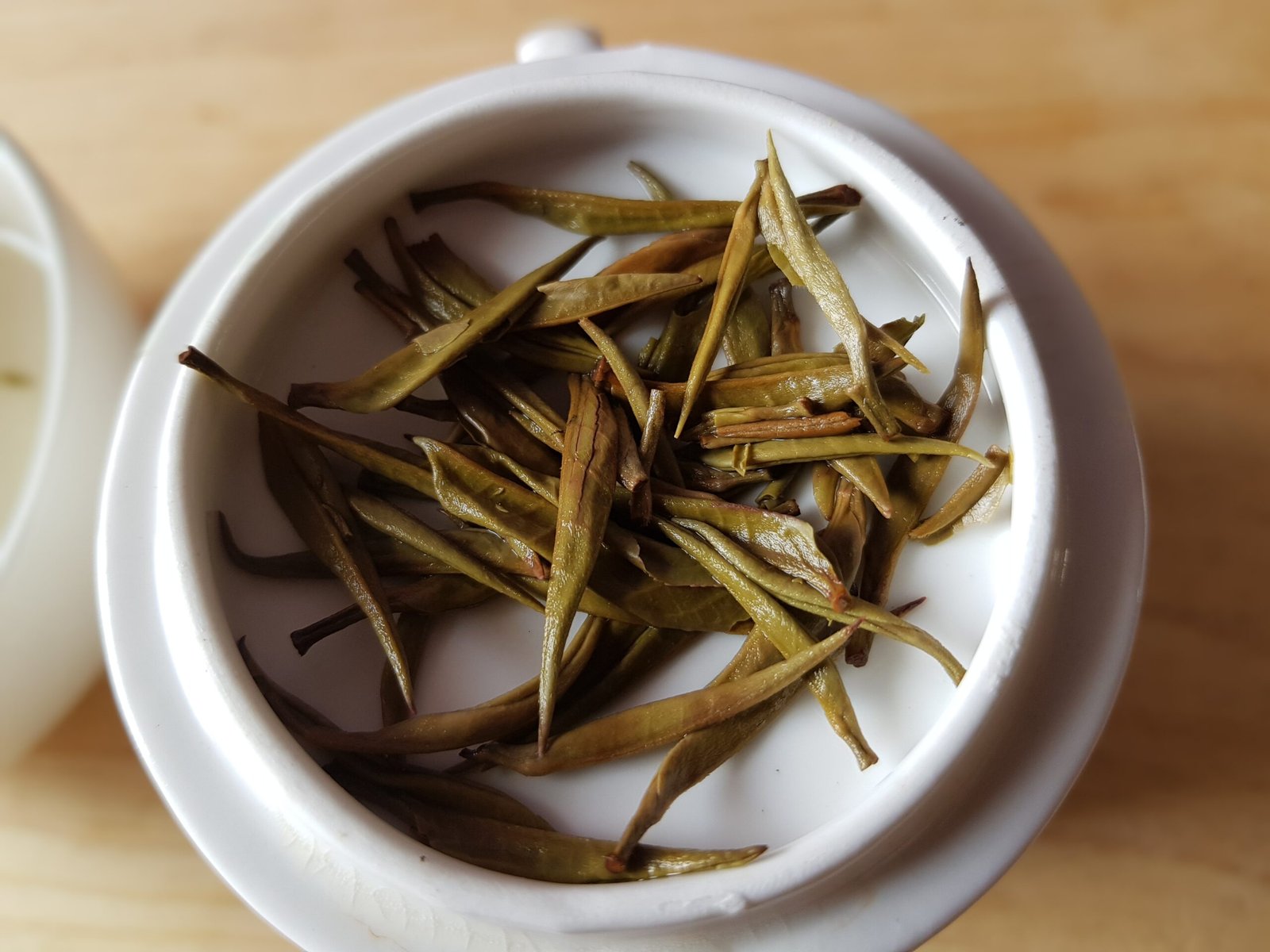
White Tea from West Garo Hills, Meghalaya, is the rarest and most delicately processed tea we produce. White Tea is made only from young buds and the newest leaves — still covered in silver-white down — simply dried in sun and shade with minimal handling. No rolling. No oxidation. No firing. Just the leaf, exactly as picked.
For further reading on white tea antioxidant research, independent research is available from PubMed and Wikipedia.
This minimal processing preserves the highest concentration of natural antioxidants of any tea type. EGCG and other catechins are not destroyed by rolling or oxidation; the leaf gives them up slowly and completely. White tea has been studied for anti-ageing, anti-cancer, and cardiovascular benefits more consistently than any other tea type in recent research.
The flavour reflects the minimal processing: light, sweet, naturally honeyed, with a floral delicacy that disappears instantly if you use water that is too hot. White tea is brewed at lower temperatures than any other tea — 70–75°C — and rewarded with a cup that is genuinely unlike anything else in our range.
White Tea Health Benefits: Highest EGCG of Any Tea
- Highest EGCG concentration of any tea type — minimal processing preserves catechins that rolling and oxidation would degrade
- Anti-ageing — white tea polyphenols have demonstrated enzyme inhibition of collagen and elastin breakdown in skin research
- Lowest caffeine of all true teas — approximately 15–20mg per cup; ideal for sensitive individuals or late-afternoon consumption
- Antimicrobial — white tea extract has shown activity against bacteria responsible for oral infections and Staphylococcus in research settings
- Re-brews 3× — the minimal processing means the bud opens very slowly and continues releasing for multiple steeps
Best for: Health-conscious tea drinkers · Anti-ageing · Low caffeine · Tea connoisseurs · Premium gifting
Taste profile: Light, sweet, naturally honeyed. Floral complexity. The most delicate cup in our range.
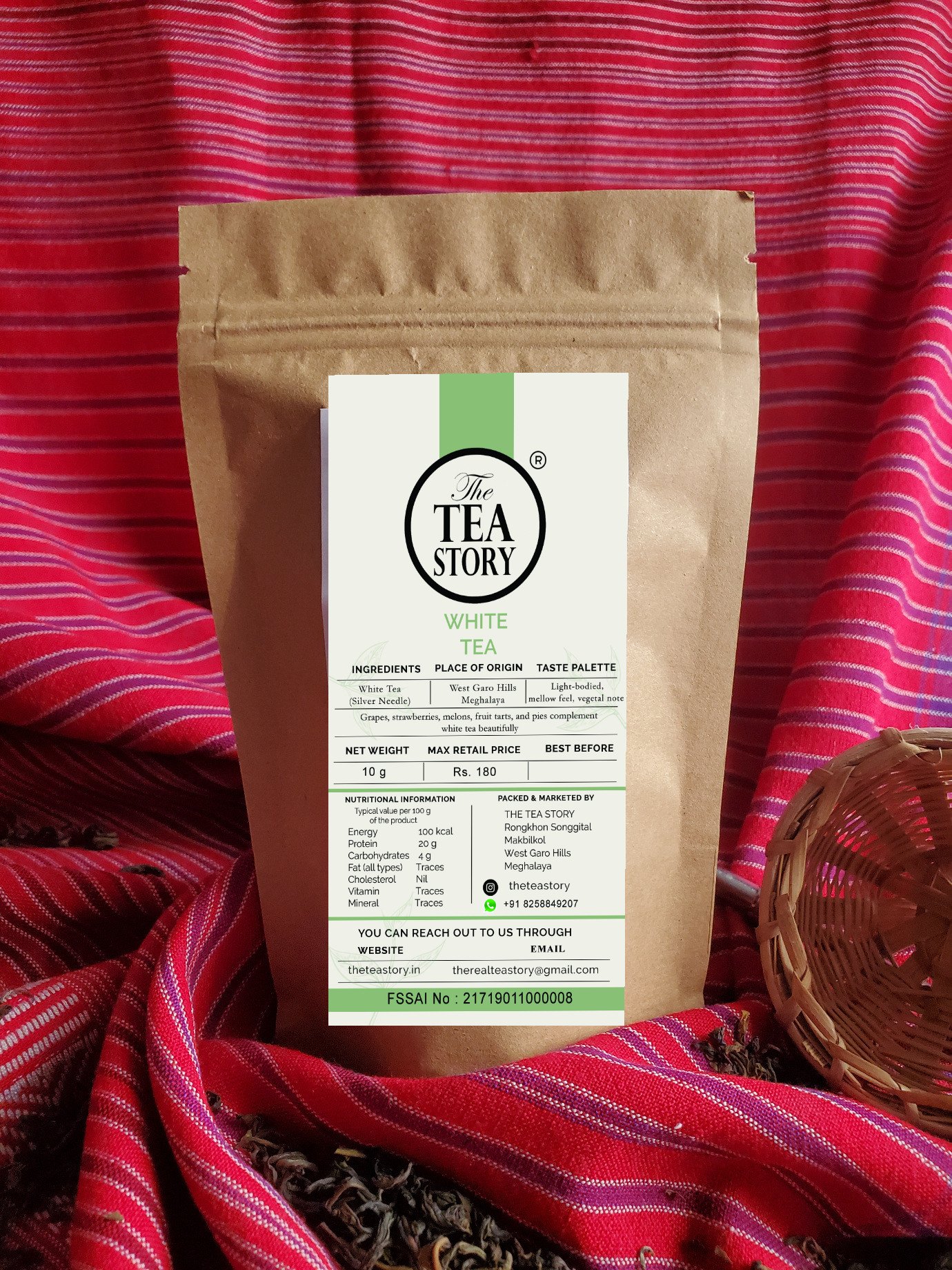
Ingredients: Whole Bud White Tea — West Garo Hills, Meghalaya
Net Weight: 20g | FSSAI: 21719011000008
Brew at 70–75°C for 3–4 minutes. Do not use hotter water — it destroys the delicate compounds. Re-brewable up to 3 times.
Also try our Premium Green Tea — minimally processed whole leaf green tea from the same garden.
White Tea: Highest EGCG of Any Tea — What That Means
Frequently Asked Questions
Why is white tea more expensive?
Two reasons: scarcity and yield. Only young buds and new leaves qualify — a tiny fraction of the total leaf produced at any garden. And because white tea is not rolled or processed aggressively, there is very little volume reduction from the leaf. You get the full weight but at the cost of much more selective picking.
Is white tea really the healthiest?
It has the highest EGCG concentration of any tea type because minimal processing preserves catechins that rolling and oxidation would degrade. Whether “healthiest” — EGCG-richest, yes. But oolong has a broader antioxidant profile overall. The best answer is that the healthiest tea is the one you drink consistently every day.
What temperature should I brew white tea?
70–75°C — the lowest of any tea we sell. Boil water, then wait 8–10 minutes before pouring. Higher temperatures destroy the delicate flavour compounds and release too much tannin too fast, making the cup bitter. White tea rewards patience with water temperature.
How does it compare to green tea?
Both are minimally oxidised and high in EGCG. White tea is even less processed — just dried rather than steamed or pan-fired — so it has higher EGCG and lower caffeine. The flavour is lighter and sweeter. Green tea has more flavour complexity and is more affordable; white tea is more delicate and more antioxidant-dense.
Reviews
There are no reviews yet