West Garo Hills Tea Garden Story — The story of our tea garden in West Garo Hills, Meghalaya — why origin matters, how we grow and process our teas, and what garden-to-cup means for the quality in your cup.
West Garo Hills Tea Garden Story: What You Need to Know
West Garo Hills Tea Garden: What You Need to Know
West Garo Hills Tea Garden — The story of our tea garden in West Garo Hills, Meghalaya — why we grow, process, and pack our own tea, and what single-origin means for your cup.
For further research, see West Garo Hills, Meghalaya.
West Garo Hills isn’t a region most people associate with tea. Meghalaya as a whole produces a small fraction of India’s tea compared to Assam or Darjeeling, and within Meghalaya, West Garo Hills — centred around Tura — is even less known for it. We think that’s part of what makes our tea worth trying.
One Garden, One Factory, No Middlemen
The vast majority of tea sold in India — even tea marketed as premium or single-origin — passes through a chain of growers, brokers, blenders, and packagers before reaching a shelf. Each step adds cost, time, and an opportunity for the leaf’s actual origin and freshness to get diluted or obscured.
We do it differently: every tea we sell is grown in our own garden in West Garo Hills and processed in our own factory. There’s no broker buying leaf from multiple smallholders and blending it together, and no third-party packaging facility handling our tea alongside dozens of other brands’ products.
Why This Is Harder, and Why We Do It Anyway
Running your own garden and factory is more operationally demanding than sourcing blended leaf from established tea auctions — it means we’re directly responsible for everything from soil health to processing consistency, with no supplier to fall back on if something goes wrong. We’ve chosen this model because it’s the only way to genuinely guarantee what’s in the packet: leaf from our hills, processed by us, with nothing added or substituted along the way.
The Terrain Itself
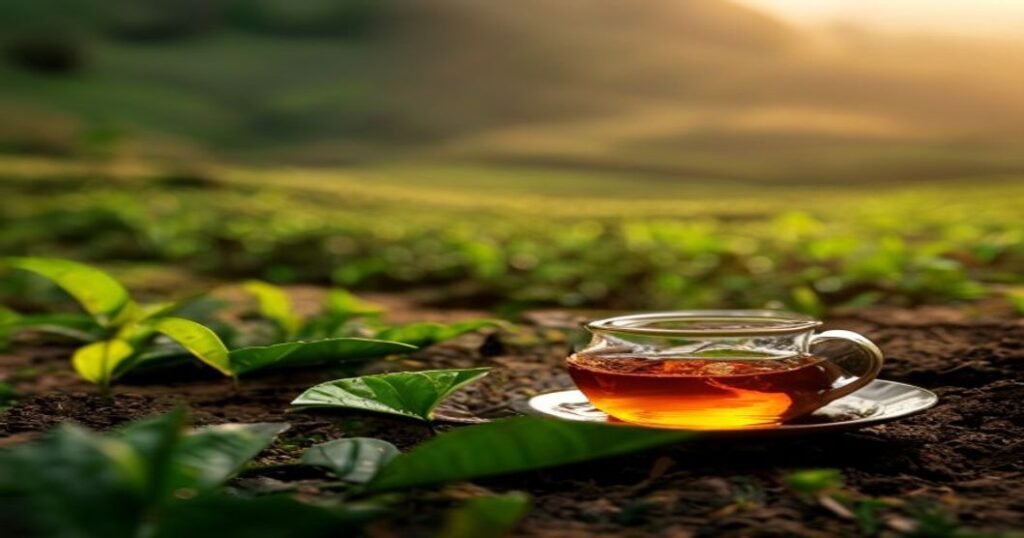
West Garo Hills sits in the western part of Meghalaya, characterised by hill terrain, high rainfall, and the misty, humid mornings typical of the broader Meghalaya region (the same general climate pattern that makes nearby areas among the wettest places on Earth). This terrain produces slower-growing tea bushes than flat lowland estates — which, as with high-altitude tea elsewhere in the world, tends to concentrate flavour rather than dilute it.
What This Means in Practice
Because we control the whole chain, we can make specific, verifiable claims about our tea that blended-leaf brands often can’t:
- Every product is FSSAI registered (license 21719011000008) under our own manufacturing operation, not a third-party packer
- Our whole-leaf orthodox and green teas can be genuinely re-brewed up to 3 times — a direct result of careful, unhurried processing rather than rushed mechanical handling
- We know exactly which garden plot, which season, and which processing batch every packet comes from
Visit Our Range
Our full catalogue — Green Tea, Black Orthodox Tea, and CTC Milk Tea — comes from this single garden and factory. Browse the full collection or read about our re-brewing approach to understand how garden-to-cup control shows up in the actual tasting experience.