
Abisa Orphan Garo Story Building Alone — A Garo A'Chik folktale about Abisa the orphan who walks into the forest alone — for anyone who is building something without a map, a model, or company.
Achik Tale Abisa Orphan: What You Need to Know
Abisa Orphan Garo Story Building Alone: What You Need to Know
Achik Tale Abisa Orphan — An A'Chik folktale about Abisa — the orphan who sets out alone into the forest. A story for founders, solo builders, and anyone starting from nothing.
For further research, see the Garo people of Meghalaya.
From A’Chik Golporang (Garo Folklore) Parts I and II, collected by Dhoronsing K. Sangma. The abisa figure appears across all three books of A’Chik Golporang as the most consistent hero in Garo storytelling.
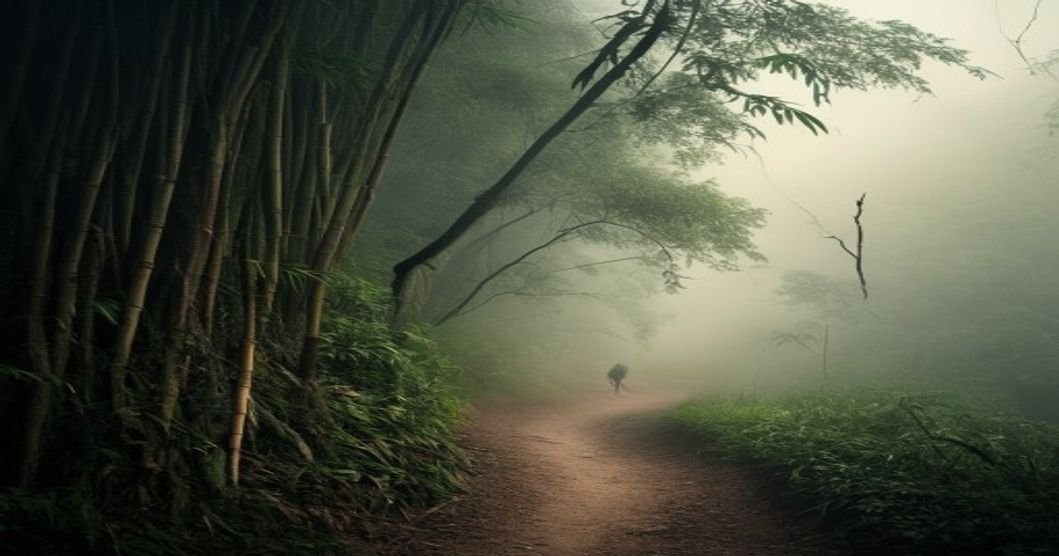
In every Garo story about the abisa — the orphan, the one without family support, the one who sets out without a network — the beginning is always the same. The child is alone. There is no elder to ask, no parent to fund the journey, no older sibling who knows the way.
And then the child starts walking. And singing.
The songs the abisa sings as they walk through the forest in the A’chik tales are some of the most beautiful fragments in all three books. Here is one, from Part I:
Gong gegong ang’ke grong, gegong,
Bil’ik kambe gongritong, gegong,
Den’na dako tapritgong, gegong,
Mia Misi rimitak, gegong,
Ang’ke ja’si ja’ritak, gegong.
The song doesn’t ask for help. It doesn’t complain about the road. It just marks the movement — the feet going, the forest passing, the self moving through the world that was not arranged for them.
The A’chik tales are consistent about what happens to the abisa. They are tested — by larger creatures, by spirits, by situations that seem designed to defeat them. They are offered shortcuts that turn out to be traps. They find allies in unexpected places — a bird who knows the way, a fish who can navigate the flooded river, an old woman by a stream who gives them food and one piece of true information.
And they arrive. Not because they were powerful. Because they kept walking and kept singing.
Northeast India is full of abisa stories that are not in any book. The first-generation professional who came to the city without connections. The woman who started a business in a community that didn’t have a category for what she was doing. The farmer who decided to sell directly instead of through the auction house, because the auction house was not built for people like him.
The Tea Story is an abisa story. A garden in the West Garo Hills that decided to sell its own tea directly, without the middlemen, without the auction, without the infrastructure that was built for someone else. The beginning was the same as every A’chik abisa tale: alone, no map, walking, singing.
If you are building something without a support structure that was designed for you, you are in a very old story. The forest knows the way. Keep walking.
The hills where this story lives are the same hills where our tea grows. Explore teas from West Garo Hills →