Buy Tea Online India — Buy Tea Online India: What to Look For Before You Click Order — is one of the topics we explore on The Tea Story blog, drawing on our direct experience growing, processing, and tasting tea from our own garden in West Garo Hills, Meghalaya.
Tea is an awkward product to buy online. You cannot smell it before purchasing. You cannot see the actual leaves inside the packet. The photography on most tea websites shows gardens and cups, not the leaf grade that determines your experience. And the price range — from ₹80 to ₹1,200 for a hundred grams — does not reliably correlate with quality in a market where branding investment often exceeds production investment.
These are the things actually worth checking.
Source Transparency: Named Garden or Anonymous Blend
The single most informative piece of information a tea seller can provide is where the tea was grown. Not a region — “from the lush gardens of Assam” — but a specific named garden, estate, or registered production facility. A named source means the seller has a traceable supply chain. An anonymous source, however elegantly described, means you are buying a blended product from an unspecified number of gardens of unspecified quality.
Source transparency also correlates with freshness. A brand that buys from named gardens typically has a more direct relationship with its supply and shorter storage times than a brand that sources from commodity auctions.
FSSAI Registration
Any legitimate food business operating in India above a minimum threshold must hold FSSAI registration or a licence. For a tea brand selling online, this is a basic compliance requirement. An FSSAI number on the packaging means you can verify the registered facility on the FSSAI public database — confirming that the production is traceable to a specific, audited location.
Absence of an FSSAI number on a tea product sold online is a red flag. It may indicate informal or unregistered production, in which case neither the source nor the safety standards are verifiable.
Leaf Grade and Format
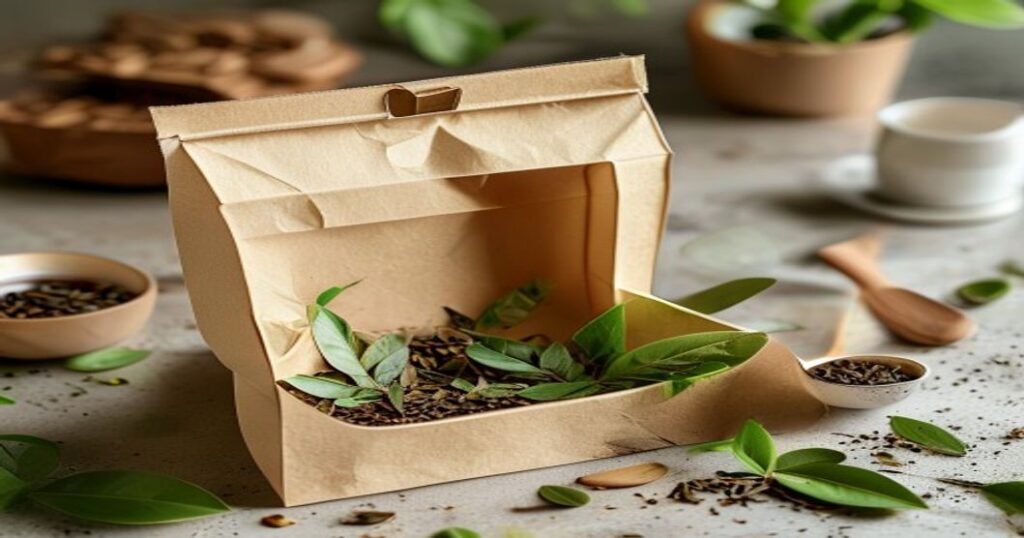
Photographs of loose-leaf tea in a well-lit bowl are standard across most premium tea websites, regardless of whether the actual product is whole-leaf or fine-broken-grade. Look for explicit description of the leaf grade: “whole leaf,” “orthodox,” “two leaves and a bud” standard. Avoid descriptions that use only vague quality language without specifying processing method.
If a website spends more words on the packaging than on the leaf, investigate the leaf harder before ordering.
Harvest Date or Batch Date
Fresh tea tastes better than old tea. A seller who provides harvest or packing dates is demonstrating either genuine freshness or genuine transparency about freshness — both good signs. A seller with no date information and no obvious reason why (some teas genuinely do not date well in the traditional way) may be obscuring the age of their stock.
Return Policy and Samples
The inability to taste before buying is a genuine problem online. Reputable tea sellers who believe in their product typically offer either a satisfaction guarantee on first orders or access to sample quantities. Willingness to let you try before committing to a large purchase is a confidence signal from the brand about the quality of what they are selling.
We sell direct from our garden in West Garo Hills, with full source transparency, FSSAI registration (21719011000008), harvest-season dating where applicable, and direct-from-factory freshness. All of these are checkable facts, not marketing claims.