
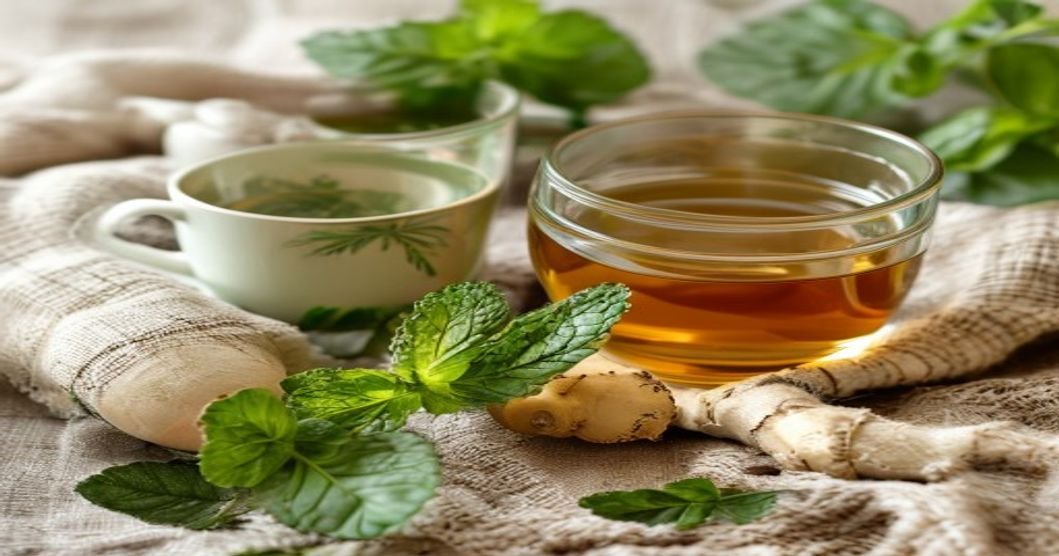
Tea Gut Health Ibs Bloating — How green tea, ginger, and mint address IBS, bloating, and digestion — the microbiome research, mechanisms, and which teas to drink for gut health.
Tea Gut Health Ibs Bloating: What You Need to Know
For further research, see green tea gut microbiome research.
⚠ Medical Disclaimer: This article is for informational purposes only. Tea is a complement to a healthy lifestyle — not a treatment or cure for any medical condition. Always consult a qualified doctor or healthcare provider before making changes to manage any health condition. Do not replace prescribed medication with tea or any other food supplement.
Gastrointestinal disorders — particularly irritable bowel syndrome (IBS), functional bloating, and dyspepsia — are among the most common reasons Indians consult a doctor. IBS alone is estimated to affect 4-15% of the Indian population, with symptoms including abdominal pain, bloating, irregular bowel habits, and flatulence that significantly affect quality of life.
Green tea and the gut microbiome
The gut microbiome — the community of approximately 100 trillion bacteria living in the intestine — is now understood to be central to digestive health, immune function, and even mental health through the gut-brain axis. A 2018 review in the Journal of Nutritional Biochemistry found that green tea polyphenols (particularly EGCG) selectively inhibit harmful gut bacteria while supporting beneficial species. Specifically, EGCG inhibits Clostridium difficile, certain pathogenic E. coli strains, and Helicobacter pylori (a major cause of gastric ulcers and gastritis), while increasing populations of beneficial Bifidobacterium and Lactobacillus species.
A 2019 randomised trial in PLOS ONE found that 8 weeks of green tea consumption significantly altered gut microbiome composition in ways associated with reduced intestinal inflammation, including decreased levels of pro-inflammatory cytokines in stool samples.
Ginger and gastric motility
Ginger has one of the best-documented effects on digestion of any culinary plant. A 2008 meta-analysis in Obstetrics and Gynecology confirmed ginger’s efficacy for nausea (including morning sickness and chemotherapy-induced nausea). More relevant for IBS, a 2008 study found that ginger significantly accelerated gastric emptying — the rate at which the stomach moves food into the small intestine. Delayed gastric emptying is a major driver of bloating, early satiety, and dyspepsia. Ginger’s active compounds gingerols and shogaols work through 5-HT3 and 5-HT4 receptor modulation, the same receptors targeted by prokinetic pharmaceutical drugs.
Peppermint and IBS
Peppermint oil capsules are actually included in multiple clinical guidelines for IBS treatment — they are one of the few plant-based interventions with Grade A evidence. The active compound is menthol, which directly relaxes the smooth muscle of the intestinal wall through calcium channel blockade, reducing intestinal spasms and the pain that accompanies them. Peppermint tea provides a lower concentration of menthol than enteric-coated capsules but is well-documented to provide symptomatic relief for bloating, flatulence, and cramping.
The tea combination approach
For general gut health: Green tea after meals (to support microbiome and reduce H. pylori activity). For bloating and slow digestion: Ginger tea 20 minutes before or with meals (to stimulate gastric emptying). For IBS cramping: Peppermint tea after meals (for smooth muscle relaxation).
Teas to try from Tea Story: Premium Green Tea (microbiome support, H. pylori inhibition), Ginger Tea (gastric motility, nausea), Mint Tea (smooth muscle relaxation, IBS symptomatic relief).