
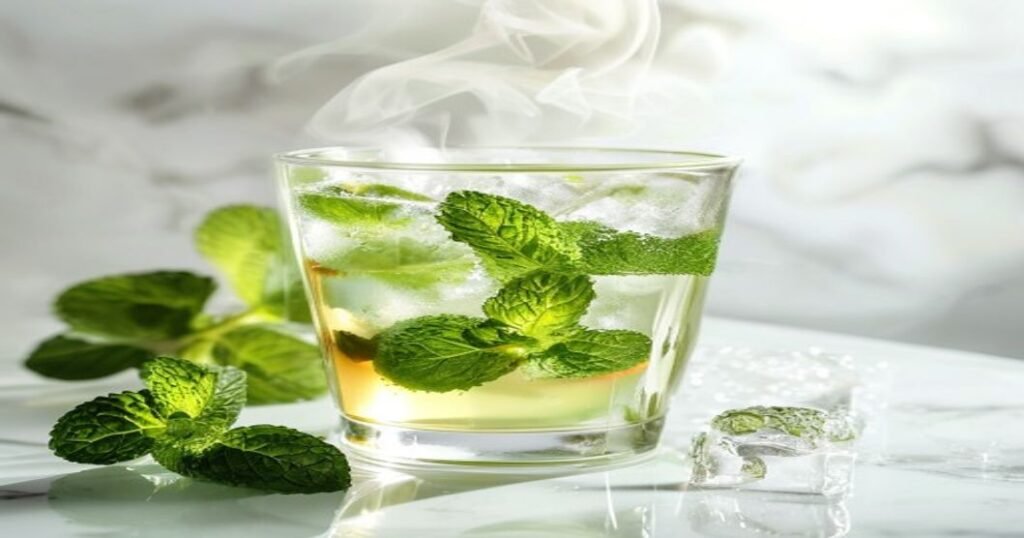
Mint In Tea — Mint in Tea: How a Common Garden Herb Became One of the World’s Most Refreshing Drinks — is one of the topics we explore on The Tea Story blog, drawing on our direct experience growing, processing, and tasting tea from our own garden in West Garo Hills, Meghalaya.
Mint is unusual in the world of tea additives in that its primary effect is tactile rather than thermal. When you drink good mint tea, the cooling sensation on the palate — produced by menthol binding to cold-sensitive receptors rather than actually lowering temperature — occurs even when the tea is hot. This is the quality that makes mint genuinely refreshing in a way that most other herbs are not: it produces a physical sensation of cooling that persists after you put the cup down.
The culinary mints most commonly used in tea fall into two groups: peppermint (Mentha × piperita), a hybrid variety with high menthol content and an assertive, clean aroma, and spearmint (Mentha spicata), which has a lighter, sweeter, slightly fruity character with significantly less menthol. Most commercial mint teas use peppermint for its stronger presence. Spearmint is more forgiving and works better in blends where the mint is meant to complement rather than lead.
Mint’s Place in Indian Tea Culture
Pudina chai — mint tea — has been part of Indian herbal tradition for a long time, though it is less central to everyday chai culture than cardamom or ginger. It appears more in summer preparations, in digestive teas after meals, and in the fresh-herb chai served in some parts of the country as a refreshment rather than a stimulant. In North India and parts of the Northwest, fresh mint leaves added to tea at the end of brewing is a standard domestic practice in the warmer months.
The combination of mint with green tea — rather than black tea with milk — is relatively modern in India but has a long history in the Arab world (where Moroccan mint tea, made with gunpowder green tea and fresh spearmint, is one of the most widely consumed beverages on earth) and in parts of Central Asia. The pairing makes sense: the light, delicate sweetness of good green tea provides a clean canvas for the mint without competing with it.
Mint in tea does not taste like mint flavouring. It tastes like mint in tea — which is more complex and more interesting than the concentrated extract that the flavouring industry has generalised into a single experience.
Digestive and Other Effects
Peppermint has a meaningful evidence base for digestive effects — specifically for irritable bowel syndrome, where enteric-coated peppermint oil capsules have shown consistent benefit in clinical trials. The amount of menthol in a cup of peppermint tea is lower than therapeutic capsule doses, but regular consumption after meals is widely reported to ease bloating and settle the stomach. This is one of the better-substantiated herbal tea claims.
Our Mint Burst Tea
Our Mint Burst Tea uses dried mint leaves blended with West Garo Hills green tea and a touch of lemon and ginger. The mint is sized to release gradually over the brewing time rather than immediately, which prevents the menthol from dominating before the green tea’s own character has had a chance to express itself. The result is a cup that opens with fresh, clean green tea and develops a mint coolness that builds across the steeping. Post-meal or mid-afternoon, it is one of the most genuinely refreshing things you can brew.
The hills where this story lives are the same hills where our tea grows. Explore teas from West Garo Hills →